A Guide to Builders Risk Insurance for High-Risk Zones
December 29, 2025 · 20 min read
Securing the right insurance for your construction project can feel overwhelming, particularly when you're building in a location that insurers consider high-risk. With some companies pulling out of areas prone to wildfires and hurricanes, getting adequate coverage has become a major hurdle for many homeowners and builders. However, it is possible to find a policy that protects your investment. The key is understanding what insurers are looking for and how to present your project as a manageable risk. This guide provides a clear, step-by-step look at builders risk insurance for high-risk zones, giving you the information you need to make confident decisions.
Key Takeaways
- This Isn't Homeowners Insurance: Builders risk is a specialized policy designed to protect your financial investment in the structure and materials during construction. It's essential for new builds and major renovations and is almost always required to secure a construction loan.
- Know Your Policy's Exclusions: A standard builders risk policy does not cover everything, especially natural disasters like floods and earthquakes. If you're building in a high-risk area, you must add specific endorsements to close these critical coverage gaps.
- Proactive Planning Reduces Risk and Cost: You can influence your premium by demonstrating a commitment to safety. This includes using resilient, code-compliant materials, implementing on-site security, and securing your policy before any work or material delivery begins.
What Is Builders Risk Insurance?
Think of builders risk insurance as a safety net for your construction project while it’s in progress. Also known as “course of construction” coverage, this temporary policy protects the building itself along with the materials, fixtures, and equipment that will become a permanent part of the structure. It’s designed to cover the unique risks that exist on a job site, from the moment ground is broken until the project is handed over.
Unlike a standard homeowner's policy, which may not cover a structure during major renovations or new construction, builders risk insurance is specifically tailored for this vulnerable phase. It shields your financial investment from physical loss or damage caused by a covered event. Whether you’re building a new home from scratch or doing a significant remodel, this policy is what protects your lumber, drywall, and fixtures from unexpected disasters. The coverage is flexible and can be customized to fit the scale and timeline of your specific project, ensuring your investment is protected every step of the way. It’s a foundational piece of any construction risk management plan.
What It Covers During Construction
So, what exactly does this safety net catch? A builders risk policy is designed to cover the most common perils a construction site faces. While every policy can be customized, you’ll typically find coverage for:
- Fire and lightning
- Theft of materials
- Vandalism and arson
- Windstorms and hail
- Structural collapse
This protection extends beyond the building itself. It also covers materials stored on-site, in transit to the job site, or even at a temporary off-site location. Some policies can also cover “soft costs,” which are the extra expenses like loan interest or architectural fees that pile up if a covered event causes a significant project delay.
Who Needs a Policy
Anyone with a financial stake in a construction project should consider a builders risk policy. This includes property owners, builders, general contractors, and even house flippers. If you have money tied up in the materials and labor for a project, you have an insurable interest that needs protection.
While builders risk insurance isn't typically required by law, it's almost always a non-negotiable requirement from lenders. If you’re financing your project with a construction loan, your bank will want to see proof of a policy before they release any funds. It’s their way of ensuring the asset they’re investing in is protected from start to finish.
What Does It Cover in High-Risk Zones?
When you’re building in an area prone to events like wildfires or severe storms, a standard insurance policy just won’t cut it. Builders risk insurance is designed specifically for the construction phase, protecting your project from the ground up. Think of it as a safety net for your investment while it’s most vulnerable. This policy covers the structure itself along with materials, equipment, and temporary structures on-site. For homeowners and contractors in high-risk zones, understanding what is—and isn’t—covered is the first step toward building with confidence.
Protection from Wildfires
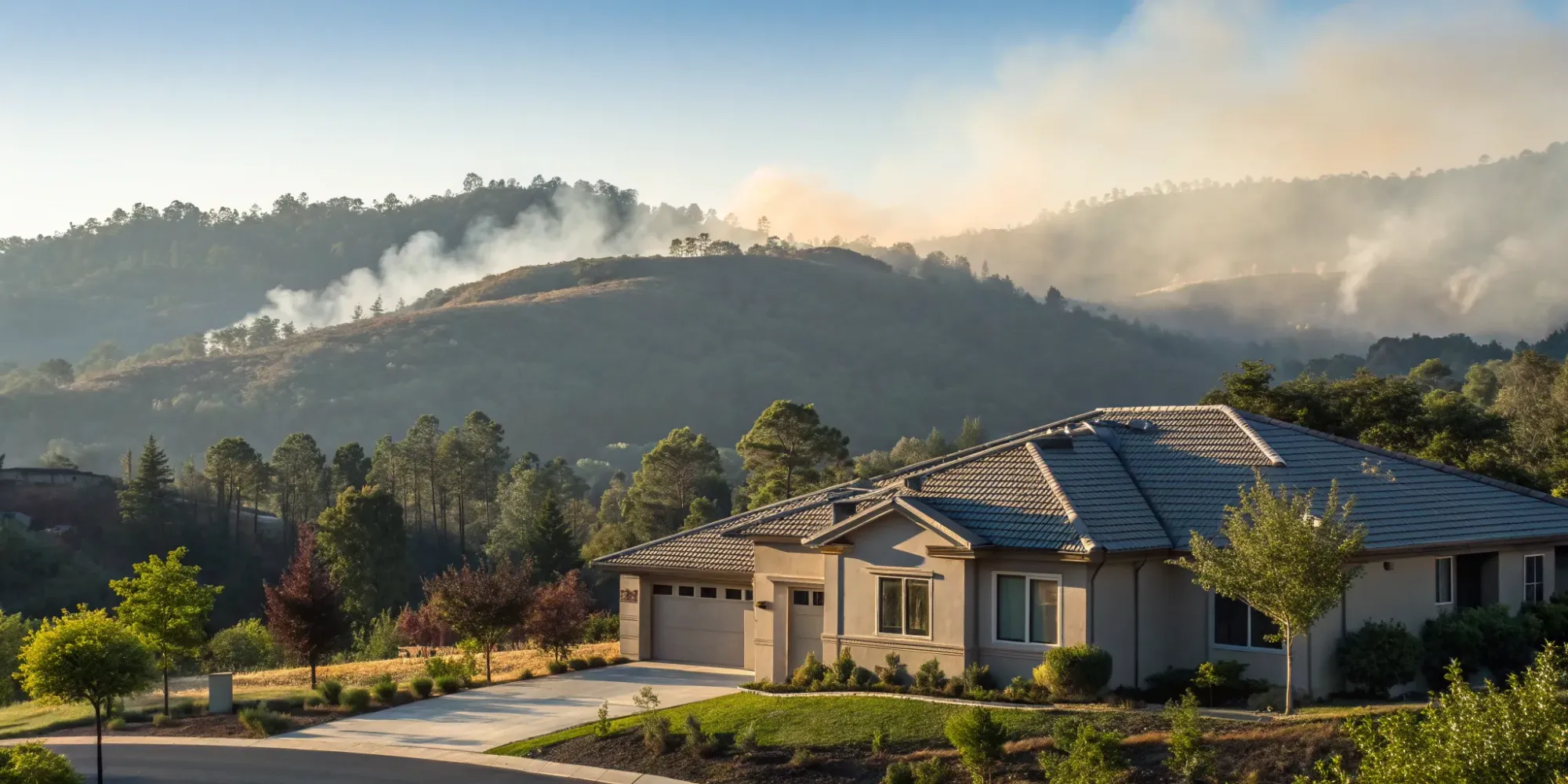
If you’re building in a wildfire-prone region, your biggest question is likely about fire coverage. The good news is that builders risk policies are designed to cover damage from fires, including wildfires. This protects your investment if a fire damages or destroys the structure, on-site materials, or equipment during construction. Given the increasing frequency of wildfires, insurers will carefully assess your project’s location and your plan for using fire-resistant materials. Having this coverage is non-negotiable for securing financing and giving you peace of mind before the foundation is even poured.
Coverage for Theft and Vandalism
A construction site is an easy target for theft and vandalism. Piles of lumber, copper wiring, and expensive tools can disappear overnight, causing costly delays and budget overruns. Builders risk insurance offers much better protection for these scenarios than a standard homeowners policy. It specifically covers the theft of building materials, as well as damage from vandalism to the structure or on-site equipment. This coverage ensures that a criminal act doesn’t derail your project, allowing you to replace what was lost and get back on track without a major financial setback.
Shielding Against Weather Damage
From severe thunderstorms and hail to high winds, weather is a major variable during any construction project. Builders risk insurance can cover physical losses and damage resulting from these types of weather events. For example, if a powerful storm damages the framing or collapses a temporary structure, your policy can help pay for the repairs. Some policies may even offer extensions to cover project delays caused by a covered weather event. It’s important to remember, however, that standard policies often exclude flooding and earthquakes, which typically require separate coverage add-ons or endorsements.
Securing Your Equipment and Materials
Your builders risk policy extends beyond the structure itself. It also protects the materials, fixtures, and equipment being used for the project while they are on the job site or in temporary storage. This includes everything from stacks of drywall and pallets of roofing tiles to windows and doors waiting to be installed. If these materials are damaged by a covered event like a fire or stolen, the policy helps cover the cost of replacement. This comprehensive property protection is vital for keeping your project on budget and on schedule, ensuring you have the supplies you need when you need them.
What Isn't Covered? Common Policy Exclusions
A builders risk policy is your project’s financial safety net, but it’s important to know what isn’t caught in that net. Every insurance policy has exclusions, which are specific situations or types of damage it won’t pay for. Understanding these limitations upfront helps you identify gaps in your coverage and decide if you need to purchase additional protection. For anyone building in a high-risk area, paying close attention to these details is essential for avoiding unexpected costs and ensuring your project is truly secure from start to finish. Let’s walk through some of the most common exclusions you’ll find in a standard builders risk policy.
Understanding Natural Disaster Exclusions
While builders risk insurance is designed to protect against many unforeseen events, it doesn’t cover every type of natural disaster. Standard policies almost always exclude damage from floods, earthquakes, landslides, and sinkholes. If your project is located in an area prone to these events—like a floodplain or a seismically active zone—you will need to purchase separate, specialized coverage. Think of these as add-ons to your primary policy. An insurer will assess your location’s specific risks to determine what additional protection is necessary. Don't assume you're covered for every act of nature; always review your policy’s exclusions carefully with your insurance professional.
Limitations for Design Flaws
Your builders risk policy is there to cover accidental and unforeseen damage, not to fix mistakes made during the planning or construction phase. For this reason, coverage typically does not extend to issues arising from poor design, faulty workmanship, or defective materials. If a structural failure occurs because of an architectural error, for example, your builders risk policy likely won't cover the repairs. This exclusion highlights why getting a professional review of your building plans is so critical before breaking ground. Ensuring your design is sound and your materials are up to code not only makes for a safer home but also prevents costly problems that insurance won’t solve.
Why General Liability Is Separate
It’s a common point of confusion, but builders risk insurance is not the same as general liability insurance. The two policies cover entirely different types of risk. Builders risk insurance protects the physical structure and materials of your project—the building itself. General liability, on the other hand, covers third-party claims, such as bodily injury to a visitor on the job site or damage to a neighboring property. For instance, if a piece of equipment falls and damages your neighbor’s car, your general liability insurance would handle the claim. Because they serve distinct purposes, you will almost always need both policies to fully protect your project.
How Your Location Affects Insurance Costs
It’s no secret that where you build matters—a lot. Your project's location is one of the biggest factors that determines your builders risk insurance premium. If you’re in an area prone to wildfires, hurricanes, or even high rates of theft, insurers see a greater chance of a claim and adjust their pricing accordingly. In some regions, finding coverage at all can be a challenge. Let's break down how your location influences your policy and what you can do about it.
How Premiums Are Calculated
Insurers start by looking at the big picture: your property’s address. High-risk areas—like coastal regions in Florida or wildfire zones in California—will always come with higher premiums because the likelihood of a natural disaster is greater. In recent years, many private insurance companies have even stopped offering policies in these locations, making coverage harder to find and more expensive. Beyond environmental risks, insurers also consider local factors like crime rates, which can affect the odds of theft or vandalism at your job site. Your policy limits and chosen deductible also play a major role, but your location sets the baseline for your costs.
What Insurers Look for in a Risk Assessment
When an insurer assesses your project, they’re trying to understand the full scope of potential risk. They look beyond just the location to review your building plans, the types of materials you’re using, and the project timeline. A well-thought-out construction risk management plan that includes details on site security and safety protocols can make your project more appealing. They also want to see that you’ve chosen resilient, code-compliant materials that can withstand potential threats. Proving that you’ve taken steps to reduce risk from the start can show an insurer that you’re a responsible partner, which can positively influence your ability to get coverage.
Exploring State-Backed Insurance Programs
What happens when you can’t find a private insurer willing to cover your project? This is a growing problem in many high-risk areas, but you’re not out of options. Many states have created their own insurance programs to act as a safety net. These are often called FAIR Plans (Fair Access to Insurance Requirements). For example, the California FAIR Plan provides basic fire insurance to property owners who can’t get it on the private market. While these plans typically offer less comprehensive coverage than a standard policy, they provide essential protection that allows construction to proceed and satisfies lender requirements.
Should You Add Extra Coverage?
A standard builders risk policy provides a solid foundation, but it doesn’t always cover every risk your project might face, especially in regions prone to specific natural disasters. Think of your policy like a new home’s frame—strong, but incomplete. To fully protect your investment, you often need to add endorsements, which are specific add-ons that cover events excluded from the base policy. Deciding which endorsements to add depends entirely on your project’s location and unique vulnerabilities. For builders in high-risk areas, these add-ons aren't just nice to have; they're essential for creating a truly resilient financial safety net.
Flood Insurance Endorsements
If your project is anywhere near a coastline, river, or in a low-lying area, a flood insurance endorsement is non-negotiable. Standard builders risk policies almost always exclude damage from flooding, which includes storm surges, overflowing rivers, and heavy rainfall accumulation. Without this add-on, you could be left with the entire bill for water damage, foundation issues, and mold remediation. Adding a builders risk flood insurance endorsement closes this critical gap, ensuring that a flood doesn't wash away your hard work and investment. It’s an essential safeguard for projects in any area with even a moderate risk of flooding.
Earthquake Coverage Add-Ons
For those building in seismically active areas like California, a standard policy won’t protect you from the ground shaking. Earthquake damage, from cracked foundations to a total collapse, is a common exclusion. This is where an earthquake coverage add-on becomes vital. This endorsement specifically covers structural damage resulting from seismic activity, which can be the difference between a manageable repair and a catastrophic financial loss. Given the high stakes, adding earthquake coverage is a prudent step to protect your project from the unpredictable nature of fault lines.
Protecting Against Project Delays
What happens when a covered event, like a wildfire or a major storm, halts construction? The damage to the structure is only part of the financial picture. Project delays come with their own set of costs, including extended loan interest, equipment rental fees, and potential loss of income. A "soft costs" endorsement can help cover these expenses. This type of coverage helps manage the financial fallout from delays in construction projects due to a covered peril, providing a financial cushion that keeps the project viable while you get back on track.
Other Extended Coverage Options
Beyond major natural disasters, construction projects face a variety of other risks. What if expensive, custom materials are stolen from an off-site storage unit? Or what if a critical piece of borrowed equipment breaks down? You can find specific builders risk insurance endorsements to cover these scenarios and more. Options can include coverage for materials in transit, theft from the job site, scaffolding, and even the costs of bringing a damaged building up to current code. Reviewing these options allows you to tailor your policy to the specific realities of your project.
Who Buys the Builders Risk Policy?
Figuring out who is responsible for getting builders risk insurance can feel like a bit of a runaround. The truth is, anyone with a financial stake in the project can purchase the policy. However, the responsibility usually falls to either the contractor or the property owner, and sometimes, the decision is made by the lender financing the project. Let’s look at each role.
The Contractor's Role
In many projects, the general contractor is the one who secures the builders risk policy. This is often stipulated in the construction contract. Since the contractor is managing the job site, overseeing materials, and coordinating subcontractors, it makes sense for them to handle the insurance that protects the entire operation. This ensures that from the moment ground is broken, the project is covered against physical loss or damage. Builders, contractors, and even house flippers can all purchase a policy to protect their financial interest in the structure until the job is complete and handed over to the owner.
What the Property Owner Needs to Know
If you’re the property owner, it’s critical to understand that your standard homeowners insurance policy does not cover a house while it’s under construction. This is a common and costly misunderstanding. For a new build or a major renovation, you need a builders risk policy to protect your investment. Whether you buy it yourself or confirm that your contractor has an adequate policy in place, it’s your responsibility to ensure the project is covered. Without it, you could be personally liable for damages from events like fire, theft, or vandalism during the construction phase.
Why Lenders Require It
Often, the question of who buys the policy is answered by the bank. If you’re financing your project, your lender will almost certainly require proof of a builders risk policy before issuing a construction loan. Lenders do this to protect their investment. If a fire destroys the half-built structure, the lender wants to know that an insurance policy is in place to cover the loss. This requirement is non-negotiable and serves as a crucial financial safeguard for everyone involved. Getting the policy in place early is a key step in securing your funding and getting your project started on the right foot.
How Much Does Builders Risk Insurance Cost?
Let’s get straight to the point: you want to know how much this is going to cost. While there’s no single price tag, a good rule of thumb is that builders risk insurance typically costs between 1% and 5% of the total construction budget. So, for a project with a $500,000 construction cost, you could expect to pay anywhere from $5,000 to $25,000 for the policy.
That’s a pretty wide range, and for good reason. The final price isn't arbitrary; it’s a direct reflection of how much risk an insurer sees in your specific project. They’re weighing the likelihood of something going wrong—like a fire, theft, or windstorm—and calculating a premium that matches that level of risk. The more you can do to present a safe, well-planned project, the better your chances are of landing on the lower end of that spectrum. Several key factors go into this calculation, from your building materials to your exact location on the map.
Factors That Influence the Price
Insurers look at a few key elements to determine your premium. First is the type of project. A brand-new build on an empty lot is often viewed differently than a major renovation, as remodeling an existing structure can introduce unique risks. Your location is another huge factor, especially in high-risk areas. Insurers will assess your property’s proximity to the coast, its placement in a flood or wildfire zone, and even how close the nearest fire station is.
The building materials you choose also play a major role. A wood-frame home is naturally more vulnerable to fire than one built with fire-resistant materials like concrete or steel. Finally, the amount of extra coverage you add will affect the cost. If you decide to add endorsements for events like floods or earthquakes, your premium will increase accordingly. An insurer evaluates all these things to create a complete risk profile for your project.
Ways to Lower Your Premium
While you can’t change your property’s location, you can take steps to make your project more attractive to insurers. It all starts with a solid construction risk management approach. Having a detailed plan that includes safety protocols, secure material storage, and a clear timeline shows an insurer that you’re proactive about preventing losses. On-site security measures, like fencing and lighting, can also help by reducing the risk of theft and vandalism.
Your choice of materials makes a difference, too. Opting for non-combustible siding or a Class A fire-rated roof isn’t just a smart move for long-term resilience—it can also lead to a lower premium. Getting an expert review of your plans before construction begins can also demonstrate that you’ve prioritized safety and compliance, which can give insurers more confidence in your project.
How to Choose the Right Policy
Picking the right builders risk policy can feel like a high-stakes decision, because it is. In a high-risk area, your policy is the financial backstop that protects your project from the unexpected. The key is finding coverage that’s robust enough to handle a worst-case scenario without overpaying for features you don’t need. It’s about striking a balance between comprehensive protection and a manageable premium.
Think of it less like shopping and more like strategic planning. You’re not just buying a product; you’re investing in peace of mind for the entire duration of your build. A cheap policy might save you money upfront, but if it has major gaps in coverage, it could cost you everything in the long run. To make a smart choice, you need to look closely at the policy details, the company offering it, and how it fits with your project’s specific timeline. Focusing on these key areas will help you secure a policy that truly protects your investment from the ground up.
Compare Coverage Limits and Deductibles
First, let’s break down two of the most important parts of any policy: the coverage limit and the deductible. The coverage limit is the maximum amount the insurer will pay for a covered loss, so it should be high enough to cover the total completed value of your project, including materials and labor. The deductible is the amount you’ll pay out of pocket before the insurance kicks in.
Policies in high-risk areas often come with higher premiums, and you’ll find that adjusting these two levers directly impacts your cost. A higher coverage limit or a lower deductible will increase your premium. Your goal is to find the sweet spot. You need a limit that fully protects your investment but a deductible that you could comfortably afford to pay if something goes wrong. Ask for quotes with a few different options to see how the numbers change and find a balance between cost and coverage that works for you.
Research Insurer Ratings and Specialties
The insurance company you choose is just as important as the policy itself. You need an insurer that is financially stable and has a proven track record of paying claims, especially in high-risk zones where disasters can trigger a high volume of claims all at once. A company with experience in your region will understand the specific risks you face, whether it’s wildfires, hurricanes, or floods, and will be better equipped to handle your claim efficiently.
Before you commit, do some homework. Look for insurers with a solid history of handling claims fairly and efficiently. You can check their financial strength through independent rating agencies like A.M. Best, which grade companies on their ability to meet their financial obligations. Don’t be afraid to ask potential insurers about their experience with projects like yours in your specific area. A trustworthy partner will be transparent about their expertise.
Align the Policy with Your Project Timeline
Timing is everything when it comes to builders risk insurance. Your project is vulnerable from the moment the first piece of equipment or bundle of materials arrives on-site. Waiting to secure coverage is a gamble you don’t want to take. A fire, theft, or storm can happen at any stage, even during initial site preparation.
It is essential to purchase your policy and ensure it is active before any work begins or materials are delivered. Coordinate with your contractor and insurance agent to set the policy’s start date for day one of activity. You should also make sure the policy term is long enough to cover the entire estimated construction period. Since delays are common in construction, it’s wise to add a buffer of a few months to the policy term to avoid any lapses in critical project coverage.
Assess Your Project's Insurance Needs
Before you even start comparing quotes, it’s important to take a step back and evaluate what your project truly needs. Getting the right builders risk insurance, especially in a high-risk area, is about more than just satisfying a lender’s requirement—it’s about securing your investment against very real threats. A thoughtful assessment helps you understand the specific vulnerabilities of your project, from its location to the materials you’re using. This clarity ensures you don’t end up with a policy full of holes when you need it most.
Taking the time to do this groundwork will help you communicate your needs clearly to an insurance professional and choose a policy that provides genuine protection. It’s a strategic move that prevents you from paying for coverage you don’t need or, worse, finding out you’re underinsured after a disaster. By breaking down the process into a few key steps, you can approach insurance with confidence and build a strong foundation for your project’s financial security.
Conduct a Thorough Risk Assessment
First, you need to identify all the potential risks your project faces. This goes beyond common construction site issues like theft or accidents. Think about your specific location. Are you in a wildfire-prone canyon, a coastal flood zone, or an area known for seismic activity? Each of these environmental threats requires a different approach. A comprehensive construction risk management plan outlines these dangers and establishes how insurance will provide a financial safety net. Listing every potential hazard will help you and your insurance professional find a policy that addresses your project’s unique vulnerabilities.
Partner with a Specialized Insurance Professional
Don’t just go with the first insurance agent you find online. For a project in a high-risk zone, you need an expert who specializes in construction insurance for your specific area. These professionals understand the local market, know which insurers are willing to write policies for high-risk properties, and can explain the fine print of different endorsements. An experienced broker will help you choose the right policy and ensure you aren’t left with critical coverage gaps. They act as your advocate, finding the best possible protection for your investment.
Understand Your Local Building Codes
Your local building codes are more than just rules you have to follow—they are a roadmap for resilience. Codes in high-risk areas are designed to make structures safer and more durable against threats like fires, hurricanes, and earthquakes. Adhering to them closely makes your project far more attractive to insurers. In fact, with many insurance companies pulling out of places like Florida and California, proving your project is built to the highest standards can make the difference in securing coverage. A plan review service can confirm your designs meet or exceed these codes, giving you and your insurer peace of mind.
Get Your Builders Risk Policy: A Step-by-Step Guide
Securing a builders risk policy might seem like just another item on your pre-construction checklist, but it’s one of the most important. Getting it right from the start protects your investment and keeps your project on track. Let’s walk through the process step-by-step so you know exactly what to expect.
Gather the Right Documents
Before you can apply, you’ll need to pull together some key information about your project. Think of it as building a complete profile for your insurer. You’ll need detailed construction plans, a full project budget (including materials, labor, and soft costs), and a clear timeline from start to finish. Your insurance agent will also want to know about the types of projects you’re undertaking and the specific location. Having all this organized ahead of time makes the application process much smoother and helps the insurer accurately assess your risk.
The Application Process and Timeline
Timing is everything when it comes to builders risk insurance. You need to have your policy in place before any work begins on site. Many lenders won’t even release funds for a construction loan without proof of coverage. More importantly, any materials delivered or work completed before your policy’s start date won’t be covered. Don’t wait until the last minute. Start the application process early to avoid delays. You should aim to buy builders risk insurance well before your planned start date to ensure your project is protected from day one.
Activate and Manage Your Policy
Once your application is approved, take a moment to review the policy details carefully. First, confirm that your coverage amount matches the total finished value of your project. This should include everything from foundation materials to finishing fixtures. Next, check that the policy has clear start and end dates that align with your construction schedule. If your project timeline changes, you’ll need to contact your insurer to adjust the policy. Managing your policy is an active process, so keep your documents handy and don’t hesitate to ask your agent questions if anything is unclear.
Related Articles
- Insurance for New Construction in High-Risk Areas: A Guide
- High Risk New Construction Insurance Cost: A Guide
Frequently Asked Questions
Is builders risk the only insurance I need for my construction project? Not quite. Think of builders risk insurance as protection for the physical structure and materials—the "what." You also need general liability insurance, which covers the "who" and "oops." General liability handles claims if someone gets injured on your job site or if your project accidentally damages a neighbor's property. The two policies work together to provide a complete safety net, so you will almost always need both.
When exactly should my builders risk policy start? Your policy needs to be active before any physical activity begins or any materials are delivered to your property, whichever happens first. Even a simple delivery of lumber or initial site grading creates risk. If something happens before the policy's official start date, you won't be covered. It's best to have the policy secured and confirmed well before your scheduled start date to avoid any gaps.
What happens if my project takes longer than expected and my policy is about to expire? Construction delays are common, and insurers know this. If you see your project timeline extending beyond your policy's end date, contact your insurance agent as soon as possible. Most policies can be extended for an additional premium, but you must arrange this before the policy expires. Letting your coverage lapse, even for a day, leaves your entire investment unprotected.
My contractor says they have a builders risk policy. Do I still need to worry about it? Yes, you should always verify the coverage yourself. Ask your contractor for a copy of the policy certificate and review it carefully. You'll want to confirm that the coverage limit is high enough to protect the full value of your finished project and that you are listed as an additional insured party. This ensures that you have a direct interest in the policy and are protected if a claim needs to be filed.
Does this policy cover the tools and equipment my contractor brings to the site? Generally, no. A builders risk policy is designed to protect the structure itself and the materials that will become a permanent part of it, like lumber, fixtures, and windows. Your contractor's tools and machinery, such as saws, drills, or excavators, are considered their business property and should be covered under their own separate contractor's equipment insurance policy.