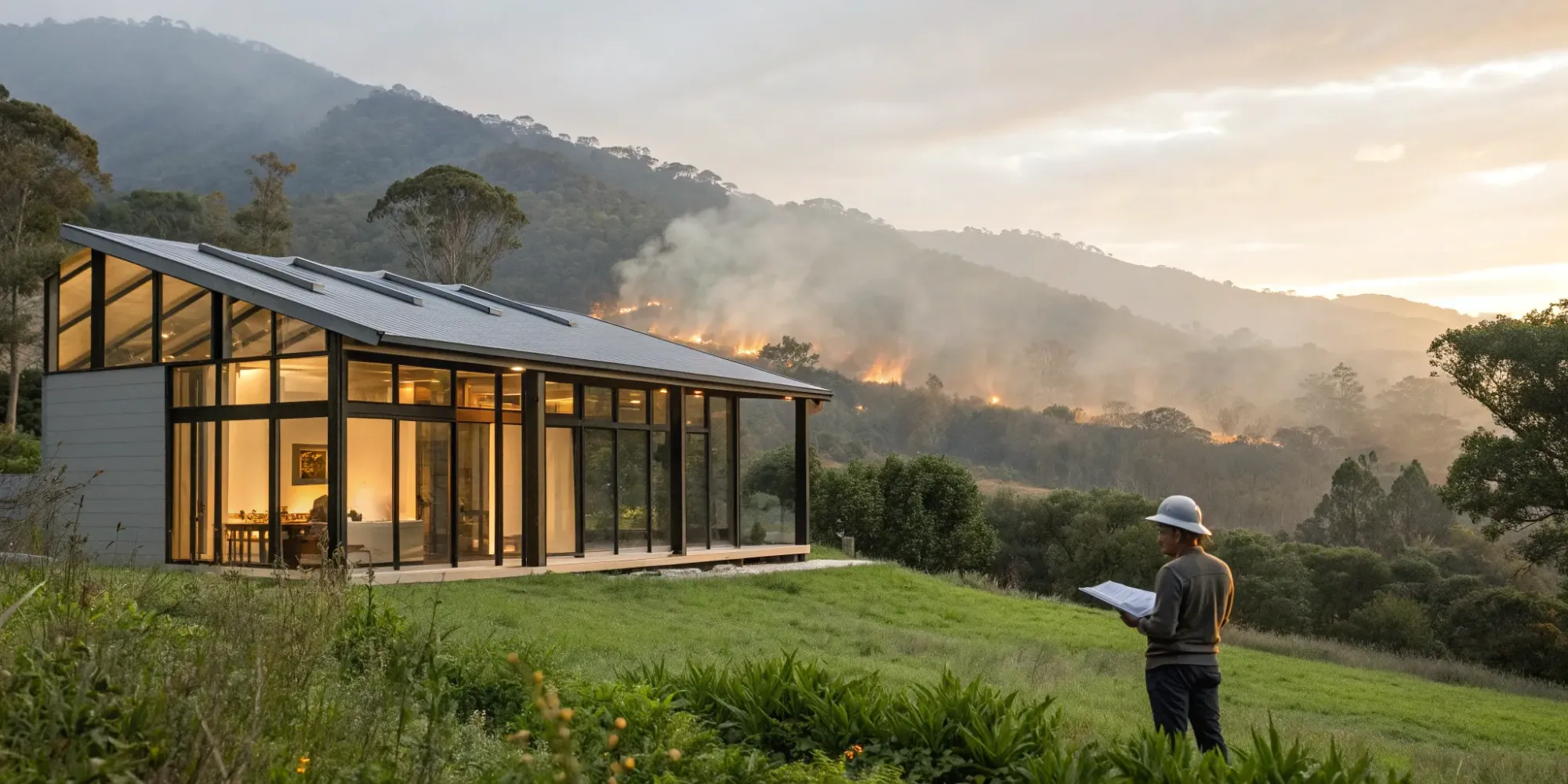
The Essential Building for Insurability Guide
January 22, 2026 · 20 min read
Getting homeowners insurance in a high-risk area can feel like an uphill battle. You might face high premiums, limited options, or even outright denials, leaving you feeling powerless before you even break ground. But what if you could change the conversation with insurers? What if you could build a home they want to cover? It’s possible when you make insurability a core part of your design process. This isn't about just meeting the minimum building code; it's about making strategic choices that prove your home is a lower risk. This comprehensive building for insurability guide will walk you through the essential steps, from selecting fire-resistant materials to documenting your upgrades, giving you the confidence and control to build a secure, insurable home.
Key Takeaways
- Build Beyond the Code for Better Coverage: Your home's insurability starts with intentional design. Using fire-resistant materials, impact-rated windows, and other resilient construction methods demonstrates to insurers that you are actively reducing risk, which can lead to better policy options.
- Insure for Rebuilding, Not Resale: Base your coverage on your home’s replacement cost—the price of labor and materials to rebuild it from scratch—not its market value. This is the single most important step to ensure you have enough funds to fully recover after a total loss.
- Actively Manage Your Insurance Policy: Your policy isn't a set-it-and-forget-it document. Review it annually, document all home maintenance and upgrades, and inform your agent of any changes to prevent dangerous coverage gaps and ensure your protection keeps pace with your investment.
What Does It Mean to Build for Insurability?
Building for insurability means constructing a home that insurance companies see as a low-risk, high-quality asset. It’s about making intentional choices from the very beginning—from your architectural plans to your roofing materials—that prove your home is built to withstand potential threats. Think of it as a proactive strategy. Instead of just meeting minimum building codes, you’re creating a resilient property that gives insurers the confidence to offer you better, more affordable coverage.
This approach is especially critical in areas prone to wildfires, hurricanes, or other hazards. Insurers are more selective than ever, and a home built with durable, fire-resistant siding or a reinforced roof is simply a better bet for them. By adopting resilience measures, you directly enhance your home’s insurability. Even your choice of construction methods, such as modular building or specific framing techniques, can contribute to the safety and sustainability that insurers look for. When you build for insurability, you’re not just building a house; you’re building a secure future.
Why Insurability Matters
Focusing on insurability from day one makes your life easier and protects your investment. When an insurer sees that you’ve used resilient construction methods, they know your home is better equipped to withstand potential disasters. This often translates into more than just peace of mind—it can lead to lower premiums, better coverage options, and a much smoother approval process. In high-risk areas where some carriers are limiting coverage, a thoughtfully constructed home can be the deciding factor in whether you get insured at all. It’s a strategic move that provides lasting financial and personal security.
The Real Cost of Being Underinsured
Being underinsured means your policy won’t cover the full cost to rebuild your home after it’s destroyed. This gap can happen if your coverage is based on an outdated valuation or doesn’t account for the current cost of labor and resilient materials. If you face a total loss, your insurance payout could fall short by tens or even hundreds of thousands of dollars, forcing you to cover the difference yourself. Many common misconceptions about homeowners insurance lead to these costly gaps. The stress of rebuilding is difficult enough without the added financial burden of draining your savings to make up the difference.
What Makes a Home Insurable?
When an insurance company decides whether to offer you a policy—and at what price—they’re really just trying to answer one question: How risky is this home? Insurability isn't some secret code; it's a straightforward assessment of the factors that make a property more or less likely to face damage. Insurers look at your home through a lens of risk, evaluating everything from the materials you build with to the specific risks in your neighborhood. This is especially true in areas prone to wildfires, hurricanes, or other hazards, where the stakes are higher for everyone.
Understanding what insurers are looking for gives you the power to make smarter choices during design and construction. By focusing on resilience and safety from the start, you can build a home that’s not only safer for your family but also more attractive to insurers, potentially leading to better coverage and more favorable premiums. It’s about being proactive rather than reactive. Let’s break down the four key areas that determine your home’s insurability: the materials you use, its age and condition, its location, and its safety features.
Construction Materials and Methods
Think of your home’s construction as its first line of defense. From the foundation to the roof, every material you choose sends a signal to your insurer about how well your home can withstand potential threats. Insurers know that homes built with resilience in mind simply hold up better against environmental challenges. Using fire-resistant siding, impact-resistant windows, and a Class A-rated roof aren't just good ideas—they are clear indicators that your property is a lower risk. Strong property resilience is a key factor in meeting an insurer’s criteria, especially in high-risk areas.
Your Home's Age and Condition
The age of your home and the condition of its core systems play a huge role in how insurers view it. An older home might have outdated electrical wiring, aging plumbing, or a roof nearing the end of its life—all of which represent potential claims. However, age isn't a dealbreaker. Proactively updating these systems and "hardening" your home with modern, resilient materials can make a massive difference. This involves making voluntary, above-code upgrades that strengthen your home against specific hazards. Investing in these aspects of resilient residential construction shows insurers you’re serious about mitigating risk.
Location and Environmental Risks
You can build the strongest home in the world, but its location will always be a primary factor in its insurability. A home in a wildfire-prone canyon, a coastal flood zone, or a hurricane-prone region inherently carries more risk. Insurers use sophisticated mapping tools to assess these environmental threats, from wildfire scores to flood plains. This doesn't mean you can't get insurance in these areas, but it does mean you have to be more intentional. Adopting specific construction practices designed for your region’s risks is essential for building for insurability and can help offset the risks associated with your location.
Key Safety and Security Features
Beyond the structure itself, insurers look at the active systems you have in place to protect your home. Think of these as your second line of defense. Installing features like a centrally monitored fire and security alarm, an interior sprinkler system, or permanent storm shutters can significantly improve your risk profile. These additions demonstrate that you’ve taken extra steps to prevent or reduce potential losses from fire, theft, or severe weather. Many insurers even offer discounts for these features, as they directly contribute to the overall safety and insurability of your property.
How to Calculate the Right Amount of Coverage
Getting your home insurance coverage right feels a bit like a Goldilocks situation—you don’t want too little, and you don’t want too much. But getting it just right is absolutely critical, especially when you live in an area prone to wildfires or other risks. The right amount of coverage means you have the financial resources to rebuild your life without draining your savings if the worst happens. It’s not just about having a policy; it’s about having a policy that truly protects your investment.
So, how do you figure out that magic number? It starts with understanding what you’re actually insuring. It’s less about what your home would sell for and more about what it would cost to build it again from the ground up. Let's walk through the key concepts and common pitfalls to make sure you’re properly protected.
Replacement Cost vs. Market Value: What's the Difference?
One of the biggest points of confusion when it comes to home insurance is the difference between replacement cost and market value. Your home’s market value is what a buyer would pay for it today, including the land. It’s influenced by things like your neighborhood, school district, and current real estate trends.
However, your insurance policy should be based on its replacement cost. This is the estimated cost to rebuild your home from scratch on the same spot if it were completely destroyed. This figure includes current prices for labor and materials, plus costs for professional fees and clearing away debris. For insurance purposes, the replacement cost is the only number that matters for your dwelling coverage.
How Professionals Value Your Property
Guessing your home’s replacement cost is a risky game. Material costs fluctuate, and local labor rates can change dramatically, especially after a widespread disaster. The most reliable way to determine your home’s value is to bring in an expert.
A qualified property valuer, appraiser, or quantity surveyor can provide an accurate assessment. These professionals have the tools and local knowledge to calculate the true cost of rebuilding your specific home, factoring in its unique features, materials, and finishes. Getting a professional valuation isn't just a good idea—it's a foundational step in securing the right coverage. It gives you a defensible number to take to your insurance agent and ensures you’re starting from a place of confidence.
Common Valuation Mistakes to Avoid
It’s easy to miscalculate your coverage needs, but the consequences can be severe. The most common mistake is insuring your property for less than its true replacement value. If you’re underinsured, your provider might impose a coinsurance penalty on a claim. This means they’ll only cover a percentage of your loss, leaving you to pay the rest out of pocket—a gap that can easily amount to tens or even hundreds of thousands of dollars.
Another pitfall is assuming your standard policy covers all your personal belongings. Most policies have limits on high-value items like jewelry or art. Take the time to create a detailed home inventory to ensure your contents coverage is sufficient. Don’t let these simple oversights put your financial future at risk.
Which Building Materials Improve Insurability?
When you're building or renovating, the materials you choose have a huge impact on your home's ability to get and keep good insurance coverage. Insurers look for homes that are built to last and withstand potential disasters. By making smart choices from the start, you can make your home more attractive to insurance providers and potentially lower your premiums. Here’s what to focus on.
Choose Fire and Impact-Resistant Materials
From the roof to the foundation, every material and structural choice matters. For roofing, consider non-combustible options like metal, slate, or tile instead of traditional asphalt or wood shingles, especially in wildfire-prone areas. For siding, fiber cement and stucco are excellent choices that resist fire, pests, and rot. Don't forget your windows and doors—impact-resistant or tempered glass can make a significant difference during a storm. Insurers know that homes built with resilience in mind stand up better to disasters, which can lead to lower premiums. While these materials may have a higher upfront cost, they are a long-term investment in your home's safety and insurability.
Why Building Code Compliance Is Key
Think of building codes as the absolute minimum standard for safety, not the finish line. Your local building code may already include provisions to help homes withstand damage from the events most likely to impact your location, like hurricanes or wildfires. Meeting these codes is non-negotiable for securing insurance. However, going above and beyond the code can significantly improve your standing with insurers. For example, adopting stricter building standards from a neighboring high-risk county or voluntarily reinforcing your roof structure shows insurers you are serious about mitigating risk. Documenting every step where you exceed code requirements can be a powerful tool when negotiating your policy.
Must-Have Safety and Security Systems
Beyond the structural components, the systems you install inside your home play a major role in its insurability. Insurers love to see proactive safety measures. This includes centrally monitored fire and burglar alarms, which can dispatch emergency services quickly. Hardwired smoke and carbon monoxide detectors are also essential. For an extra layer of protection, consider installing an automatic water shut-off system that can detect leaks and prevent catastrophic water damage. By adopting these types of resilience measures, properties in high-risk areas can improve their insurability. These systems demonstrate that you are a responsible homeowner, which can often lead to discounts on your premiums.
How Home Maintenance Affects Your Insurance
Think of your home maintenance routine as a conversation with your insurance provider. Every repair you make and every system you upgrade sends a clear message: you are a responsible homeowner actively working to reduce risk. Insurers love this because a well-maintained home is far less likely to suffer from the kinds of preventable disasters—like water damage from a leaky pipe or a fire from faulty wiring—that lead to expensive claims. Neglecting small issues can let them snowball into major problems, which is a red flag for any carrier.
Regular upkeep isn't just about keeping your home looking its best; it's a fundamental part of managing your property's insurability. By staying on top of repairs, you're not only protecting your investment but also positioning yourself as a lower-risk client. This can lead to better coverage options and more stable premiums, especially in high-risk areas where every proactive measure counts. Ultimately, the effort you put into maintaining your home directly influences how an insurer views your policy and your partnership with them.
Essential Maintenance for Better Coverage
Your insurer pays close attention to the core systems that protect your home. Regularly inspecting your roof for damage, servicing your HVAC system, checking for plumbing leaks, and ensuring your electrical panel is up to code are non-negotiable tasks. For those in wildfire-prone regions, creating and maintaining defensible space is just as critical. Resilient properties are more likely to meet insurers' risk criteria, and taking these steps demonstrates that you’re actively protecting your home against potential threats. By adopting resilience measures, you can significantly enhance your property’s insurability and show your carrier that you're a proactive partner in risk management.
Document Your Maintenance and Upgrades
If you replaced your roof last year or upgraded your electrical panel, your insurer needs to know. Keeping a detailed record of all repairs, renovations, and upgrades is one of the smartest things you can do as a homeowner. Create a simple digital folder or a physical binder to store everything. It's wise to keep detailed lists of your property's assets and records of any repairs or upgrades. This documentation is your proof when you discuss your policy with your agent. It not only helps you secure the right amount of coverage but also becomes invaluable if you ever need to make a claim, making the entire process smoother and faster.
Create an Emergency Preparedness Plan
A well-maintained home is the first line of defense, but a solid emergency plan is your backup. This plan shows your insurer that you’re prepared to respond effectively if a disaster strikes. From the roof to the foundation, every material and structural choice matters, because homes built with resilience in mind simply stand up better to disasters. Your plan should include having functional smoke detectors and fire extinguishers, knowing your evacuation routes, and having an emergency kit ready to go. For those in high-risk areas, this level of preparation is essential. It’s another tangible way to demonstrate that you take risk mitigation seriously, which is always a positive signal to your insurance provider.
Common Insurability Mistakes to Avoid
Getting your home insured properly can feel like a puzzle, but avoiding a few common mistakes makes the whole process much smoother. These aren't obscure, technical errors; they're simple oversights that can leave you underinsured when you need coverage the most. Think of it as setting the right foundation for your financial protection. When you're focused on blueprints and building materials, insurance can sometimes feel like an afterthought, but getting it right from the start saves you from major financial stress down the road.
Many homeowners accidentally leave gaps in their coverage by making assumptions about their property's value or forgetting key updates. From miscalculating what it would actually cost to rebuild your home from scratch to confusing market price with replacement cost, these slip-ups are surprisingly frequent. The good news is that they are also entirely preventable. By understanding these common pitfalls, you can take proactive steps to ensure your policy truly reflects your home's value and protects your investment. We'll cover the three biggest mistakes we see homeowners make: underestimating rebuilding costs, mixing up purchase price with replacement value, and forgetting to update coverage after making improvements. Let's walk through them so you can build with confidence.
Underestimating Rebuilding Costs
One of the most critical mistakes is setting your coverage amount too low. It’s crucial to ensure that your sum insured reflects the true cost of rebuilding your property. If your policy limit is too low, you simply won't get enough money to rebuild your home completely if you have to make a claim. People often forget to factor in costs beyond just materials and labor, such as debris removal, architectural plans, and building permits. Plus, construction costs can rise unexpectedly. A proper replacement cost estimate gives you a realistic picture, ensuring your coverage is high enough to handle a total loss without leaving you to pay the difference out of pocket.
Confusing Purchase Price with Replacement Value
It’s easy to assume the price you paid for your home is what you should insure it for, but that’s a common misconception. Many homeowners mistakenly believe that the amount they paid for their house is the same as the cost to rebuild it. The market value of your home includes the land, location, and other factors that drive its sale price. Replacement value, on the other hand, is strictly the cost of materials and labor to reconstruct the building itself. Your home’s market value can go up or down with the real estate market, but the cost to rebuild it is tied to construction prices, which often move independently.
Forgetting to Update Coverage After Renovations
That beautiful new kitchen or finished basement adds more than just enjoyment—it adds value to your home that needs to be insured. Homeowners should always inform their insurance agent about planned renovations and adjust their coverage accordingly. If you don't, your policy will still be based on your home's pre-renovation value, leaving you underinsured. A good rule of thumb is to call your insurance provider before the project starts. This allows you to discuss the changes and ensure your homeowners coverage is adjusted as soon as the work is complete, so your new investment is protected from day one.
How to Keep Your Insurance Coverage Up to Date
Think of your insurance policy as a living document, not a file you can set and forget. Your home’s value, local construction costs, and liability risks can change from year to year. An outdated policy can leave you dangerously underinsured when you need it most. Keeping your coverage current is an active process, but it’s one of the most important things you can do to protect your investment. By staying on top of a few key tasks, you can ensure your policy accurately reflects your needs and provides the financial safety net you expect.
Review Your Policy Annually
Set a calendar reminder to check your insurance policy at least once a year. This is your chance to confirm that your coverage limits still make sense and that you understand your deductibles. It’s especially important to review your policy whenever you make significant changes to your property, like completing a major renovation. Life changes matter, too—if you’ve acquired new valuables or started a home-based business, you may need to adjust your plan. During your review, pay close attention to any new exclusions. Understanding your homeowners policy declarations page is the first step to confirming you have the right protection.
Work with an Insurance Professional
You don’t have to be an insurance expert to be well-protected. A good insurance professional is your advocate. These experts can help you understand your specific needs, find the best policy, and shop for competitive prices from different insurance companies. They can translate confusing industry jargon and highlight potential coverage gaps you might have missed. An independent broker, for example, works with multiple carriers and can offer a broader range of options tailored to your situation, which is especially helpful if you live in a high-risk area. Think of them as a key member of your homeownership team.
Track Changes in Your Property's Value
Your home’s insurance coverage should be based on its replacement cost, not its market value. Since construction and material costs fluctuate, it’s wise to keep a pulse on them. Keep good notes about any upgrades or improvements you make, including dates and costs. A simple digital folder with receipts and photos can be incredibly valuable. This documentation provides a clear record of your home’s features, making it easier to calculate its replacement cost accurately. A full review of your property's value each year ensures your coverage limit keeps up with inflation and the current costs to rebuild.
What Is "Insurance to Value" (and Why It Matters)?
Let's talk about a term you’ll see a lot in the insurance world: Insurance to Value, or ITV. It sounds technical, but the concept is simple and incredibly important. At its core, Insurance to Value is a measure of how much your home is insured for compared to what it would actually cost to rebuild it from the ground up. Think of it as a reality check for your homeowner's policy. It’s not about your home’s market value or what you paid for it; it’s about the price of lumber, labor, permits, and materials needed to reconstruct your home exactly as it was after a total loss.
Why does this matter so much, especially if you live in an area prone to wildfires or severe storms? Because after a disaster, rebuilding costs can skyrocket. If your insurance coverage hasn't kept pace with current construction prices, you could be left with a massive gap between what your policy pays out and what you actually need to rebuild. Getting your ITV right is one of the most critical steps you can take to protect your financial future. It ensures that if the worst happens, you have the funds to make your family whole again without draining your life savings.
How ITV Ratios Affect Your Coverage
Your ITV is often expressed as a percentage. For example, if your home’s replacement cost is $500,000 and you have it insured for $450,000, your ITV ratio is 90%. Most insurers require you to maintain a ratio of at least 80%, but aiming for 100% is the safest bet. A healthy ITV ratio does more than just protect you from major losses; it also ensures you aren't overpaying for coverage you don't need. When your coverage accurately reflects your rebuilding cost, you can be confident that you'll receive the appropriate amount of money if you ever need to file a claim, making the entire process smoother and less stressful.
The Dangers of Being Underinsured
Being underinsured is one of the biggest financial risks a homeowner can take. If your property is insured for less than its true replacement value, you could face what’s known as a "coinsurance penalty." This means that if you file a claim—even for a partial loss—your insurance company may only pay a fraction of the damages, leaving you to cover the rest out of pocket. For instance, if your home is insured for only 70% of its replacement cost and you suffer a $50,000 fire, your insurer might only pay 70% of that claim, leaving you with a $15,000 bill you weren't expecting.
How to Manage Your ITV Ratio
Keeping your ITV ratio accurate isn't a one-and-done task; it requires a little ongoing attention. The best way to manage it is to review your policy with your insurance agent every year. Construction costs change, so it's important to make sure your coverage keeps up. If you're planning any renovations or additions, talk to your agent before the work begins to adjust your coverage accordingly. For unique or complex homes, getting a professional appraisal can provide the most accurate replacement cost estimate. Staying proactive is the key to ensuring your coverage is always where it needs to be.
How to Build an Insurable Home in a High-Risk Area
Building a home in an area prone to wildfires, hurricanes, or floods adds another layer of complexity to your project. Insurers are understandably cautious in these regions, but that doesn’t mean you can’t get good coverage. The key is to build with resilience in mind from the very beginning. By making smart, proactive choices about your design, materials, and construction methods, you can create a home that is not only safer for your family but also more attractive to insurance carriers. It’s all about demonstrating that you’ve taken deliberate steps to reduce risk.
Special Considerations for Wildfire Zones
If you’re building in a wildfire-prone area, your goal is to “harden” your home against embers and flames. This means going beyond the basic building code to incorporate voluntary, resilient strategies. Think about creating a defensible space by clearing flammable vegetation around your home and choosing non-combustible materials like fiber-cement siding and Class A fire-rated roofing. Insurers look favorably on these upgrades because they significantly lower the risk of a total loss. The decision to include these features involves weighing the additional construction costs against the potential costs of rebuilding, a core principle of resilient residential construction.
Strategies for Flood and Storm-Prone Areas
For homes in coastal or flood-prone regions, resilience starts from the ground up. Insurers know that homes built to withstand severe weather fare much better during storms. From the roof to the foundation, every choice matters when you’re building a resilient home. This includes installing impact-resistant windows, using reinforced roofing materials, and elevating the home’s foundation and utilities above the base flood elevation. By adopting these measures, your property is far more likely to meet insurers' risk criteria, making it easier and more affordable to insure.
When to Consider Specialized Coverage
Are you planning to use innovative materials or building techniques? While exciting, it’s important to know that some emerging construction methods like mass timber or modular manufacturing can be tricky to insure. Projects using non-traditional methods may face 20% to 40% fewer carrier options compared to conventional builds. This doesn’t mean you should abandon your plans, but it does mean you need to have conversations about insurability early in the design phase. Discuss your plans with your architect, builder, and an insurance professional to understand any potential hurdles and find the right coverage before you break ground.
Related Articles
- How to Build an Insurable Home: A Builder's Guide
- High Risk New Construction Insurance Cost: A Guide
- How to Get Insurance for a New Build in a Fire Zone
Frequently Asked Questions
If my home meets all the local building codes, isn't that enough for insurers? Think of building codes as the starting line, not the finish line. Codes establish the absolute minimum safety requirements, but building for insurability means going beyond that baseline. Insurers are looking for homeowners who are proactive about reducing risk. When you voluntarily use superior materials, like a Class A fire-rated roof instead of a standard one, you're showing them that your home is a safer, more resilient investment for them to cover.
Does building a more insurable home cost a lot more? While some resilient materials and advanced safety systems have a higher upfront cost, it's best to view it as a long-term investment. These choices can lead to lower insurance premiums, fewer costly repairs over the life of your home, and a much smoother process when securing coverage. More importantly, you're investing in the safety and security of your family, which is difficult to put a price on.
My house is already built. What can I do to make it more insurable now? It's never too late to improve your home's risk profile. You can focus on "hardening" your home by making strategic upgrades, such as replacing an old roof with a more durable one or installing impact-resistant windows. Regular maintenance of your electrical and plumbing systems is also key. For those in wildfire zones, creating and maintaining defensible space around your property is one of the most effective actions you can take.
How do I figure out my home's replacement cost without just guessing? Guessing is definitely not the way to go, and online calculators can often be inaccurate. The most reliable method is to work with a professional, like a qualified appraiser or a trusted insurance agent who specializes in property valuation. They have the expertise to account for local labor rates, material costs, and your home's unique features, giving you a solid number to base your coverage on.
Will using all the right materials guarantee I can get insurance in a high-risk area? While there's no absolute guarantee, building a resilient home dramatically improves your chances. Insurers assess risk based on many factors, and location is a big one that you can't change. However, by demonstrating that you've done everything possible to mitigate risk—through superior materials, defensible space, and safety systems—you make your home a much more attractive and acceptable risk for carriers, even in a challenging area.