New Construction Insurance High Risk Area Cost Explained
December 11, 2025 · 23 min read
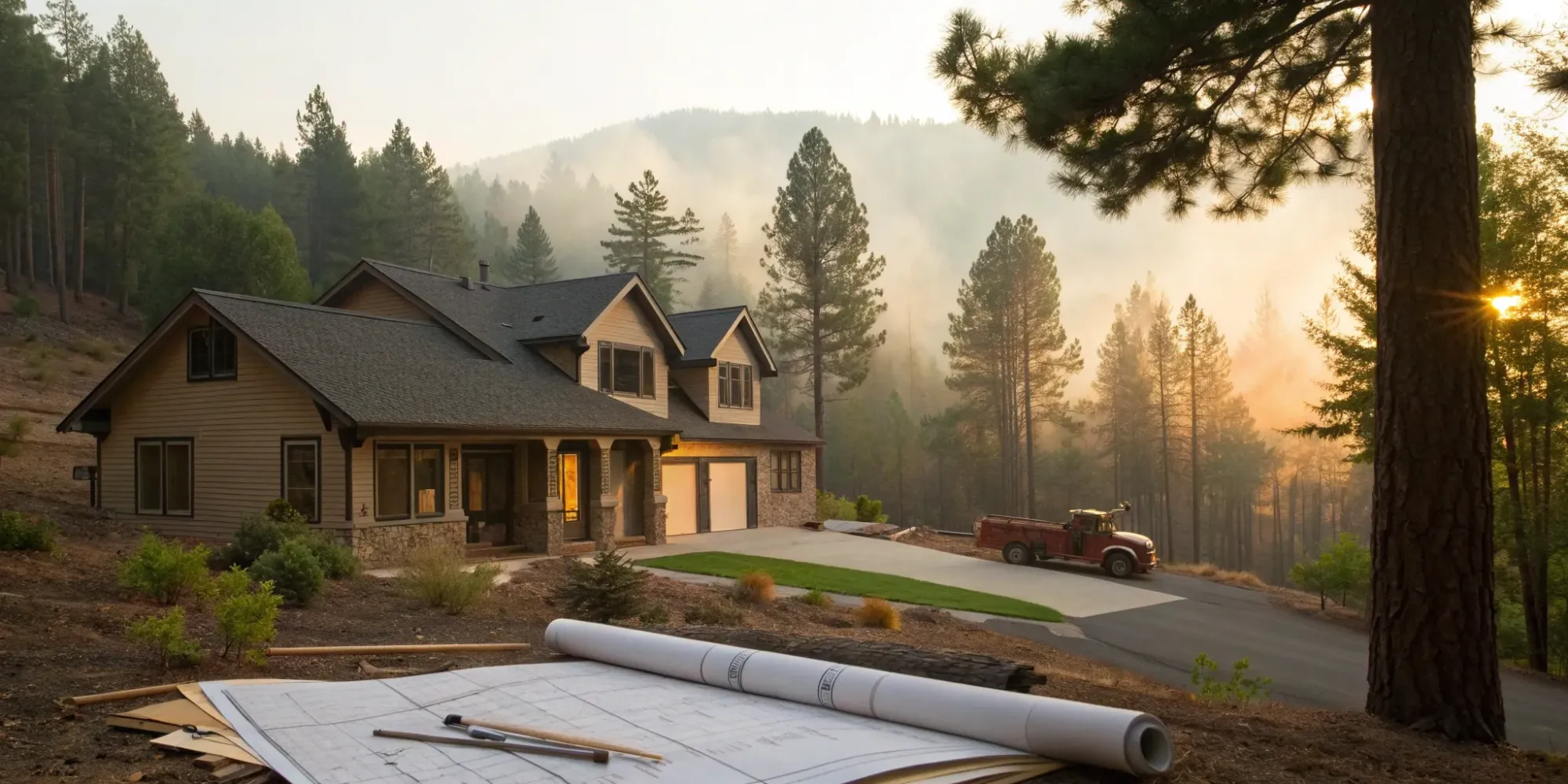
You may have heard the news: major insurance companies are pulling back from high-risk states, making it harder than ever to secure coverage for a new build. This isn't a random decision; it's a calculated response to growing climate risks. Insurers see a future with more frequent and severe weather events, and they are adjusting their business models accordingly. For homeowners and builders, this shift means the old way of doing things no longer works. To get coverage, you have to understand their perspective. This guide explains what drives the new construction insurance high risk area cost and shows you how to demonstrate that your project is a manageable risk in this changing world.
Key Takeaways
- Secure Builder's Risk Insurance Before You Start: Your standard homeowner's policy won't cover a construction site. A builder's risk policy is crucial for protecting your project from theft, fire, and weather damage from the moment you break ground.
- Build Smarter to Lower Your Premiums: The materials and design features you choose are one of your most powerful tools for managing insurance costs. Using fire-resistant siding, impact-rated windows, and other resilient options makes your home a lower risk and more attractive to insurers.
- Treat Insurability as Part of the Design: Don't wait to think about insurance. A professional review of your building plans before construction begins helps you meet strict codes and incorporate the resilient features that lead to better coverage and more competitive rates.
What Is New Construction Insurance?
Building a new home is a huge investment of time, money, and energy. The last thing you want is for a sudden storm, fire, or act of vandalism to derail your progress. That’s where new construction insurance comes in. It’s a specific type of coverage designed to protect your project during the building phase, when it’s most vulnerable. Think of it as a financial safety net for your home before it’s even a home, covering the structure and materials from the moment you break ground until the final nail is hammered in.
This isn't the same as your standard homeowner's policy. New construction insurance is tailored for the unique and changing risks of an active job site. The most common policy you'll encounter is builder’s risk insurance, sometimes called "course of construction" coverage. It protects your financial stake in the structure itself, the materials stored on-site, and even temporary structures like scaffolding. For anyone building in a high-risk area—whether you’re a homeowner, contractor, or architect—this coverage is absolutely essential. It’s the policy that stands between an unexpected disaster and a devastating financial loss, ensuring your project can get back on track without costing you everything.
Builder's Risk Insurance: The Basics
So, what exactly is builder’s risk insurance? At its core, it’s a special type of property insurance that covers a building while it’s under construction or renovation. It’s designed to protect your project from a range of unexpected events that could cause serious damage or loss. This includes things like fire, wind damage, theft of materials, and vandalism. Essentially, it shields your financial investment from the common perils that can pop up on a construction site. Without it, you’d be personally responsible for covering the costs to repair or replace everything, which could easily put a stop to your entire project.
How It Differs from Homeowner's Insurance
It’s easy to confuse builder’s risk with homeowner’s insurance, but they serve very different purposes. A standard homeowner's insurance policy is designed for a completed, occupied home—a predictable environment. A construction site, on the other hand, is constantly changing and full of unique risks. Builder’s risk insurance is specifically designed for this dynamic setting. It covers the structure as it’s being built, materials stored on your property or in transit, and even temporary structures like scaffolding or fencing. Your homeowner’s policy simply isn’t built to handle those kinds of variables, which is why a separate builder's risk policy is crucial.
When Do You Need It?
Timing is everything with builder’s risk insurance. You need to have this policy in place the moment construction begins—think laying the foundation or even earlier. It stays active for the entire duration of the project and typically ends once the building is complete and you receive a certificate of occupancy. At that point, you’ll transition to a permanent homeowner’s insurance policy. Skipping this coverage is a massive gamble. A single fire, theft, or severe weather event could wipe out your investment, causing major delays and forcing you to pay for the damages out of pocket. It’s a foundational part of any responsible construction plan.
What Drives Up Insurance Costs in High-Risk Areas?
If you’ve ever felt like insurance premiums are a complete mystery, you’re not alone. When you’re building in a high-risk area, the sticker shock can be even more intense. Insurers look at a project through a lens of risk, calculating the likelihood that they’ll have to pay out a claim. Several key factors influence their math, from your property’s location on a map to the specific materials you choose for your walls. Understanding these drivers is the first step toward getting a handle on your costs and building a home that’s both safe and insurable.
Your Location and Natural Disaster Risk
It’s no secret that where you build matters most. Insurance companies use advanced modeling to predict the likelihood of natural disasters, and if your property falls within a high-risk zone for wildfires, hurricanes, or floods, your premiums will reflect that. The risk is so significant that some major insurers have stopped offering new policies in entire states. For example, State Farm recently halted new homeowners’ policies in California due to escalating wildfire risk. This pullback makes it harder and more expensive to find coverage. Insurers are simply reacting to the increased probability of a total loss, and your location is their primary indicator of that threat.
Environmental Hazards and Climate Impact
Beyond your specific address, broader environmental trends play a huge role. Climate change is leading to more frequent and intense weather events, a reality that has insurers on high alert. These growing climate risks are prompting regulators to enforce stricter building codes to make communities more resilient. For homeowners and builders, this means the goalposts are constantly moving. The rising premiums and shrinking availability of insurance can also create ripple effects across the housing market, potentially reducing demand and property values for homes in the most vulnerable areas. It’s a complex cycle where environmental shifts directly influence construction standards and financial risk.
Local Crime and Theft Rates
While natural disasters are a major concern, insurers also look at risks that are much closer to home, like crime. A new construction site is often a tempting target for theft and vandalism. Expensive tools, equipment, and raw materials like lumber and copper are often left unsecured, making them easy to steal. If your project is located in an area with high crime rates, your insurer sees a greater chance of a claim. This increased likelihood of theft or damage means you’ll almost certainly pay more for your policy. Securing your job site is one of the most direct ways to show an insurer you’re serious about minimizing preventable losses.
Your Choice of Building Materials
The materials you choose to build with send a clear signal to your insurance provider about your home’s resilience. It’s one of the few factors you have direct control over. Building with fire-resistant materials like steel, concrete, or fiber-cement siding can lead to lower insurance costs, especially in wildfire-prone regions. In contrast, a traditional wood-frame home is seen as much more vulnerable. Insurers reward choices that reduce their risk. By opting for materials that can withstand fire, high winds, or impact, you’re not just building a safer home—you’re also making a smart financial decision that can lower your insurance rates for years to come.
How Much Does New Construction Insurance Cost?
Figuring out the cost of new construction insurance, often called builder's risk insurance, is a critical step in planning your project budget. While the exact price tag depends on factors like your location, project scope, and the materials you choose, you can get a solid estimate to work with. The cost is typically calculated as a percentage of your total construction budget, so the more expensive the build, the higher the premium. Think of it as a small but essential investment to protect a much larger one. Let's break down what you can expect to pay and how to budget for it.
Typical Cost Ranges
As a general rule, you can expect your builder's risk insurance policy to cost between 1% and 5% of your total construction budget. For example, if your project is budgeted at $500,000, your insurance premium would likely fall somewhere between $5,000 and $25,000 for the duration of the project. This range accounts for variables like building in a high-risk area, where costs might lean toward the higher end of that spectrum. Your total finished value includes all materials, labor, and other direct costs needed to complete the home, so getting this number right is key to an accurate quote.
What to Expect for Monthly Premiums
If you prefer to think in monthly terms, the average cost is around $105 per month for builder's risk insurance. However, premiums can range anywhere from $100 to over $300 per month, depending on the project's complexity and risk level. This translates to an annual cost of about $1,200 to $5,000. Remember, these are just averages. A large, custom home in a wildfire-prone area will naturally have a higher premium than a smaller, simpler build in a low-risk location. It’s always best to get a direct quote for your specific project.
How to Budget for Your Policy
To budget effectively, start by calculating the direct costs of your construction project with as much accuracy as possible. This includes everything from lumber and concrete to labor and equipment fees. A precise budget ensures your insurance policy provides adequate coverage without leaving you underinsured. You should also consider adding endorsements, which are add-ons that give you extra protection for specific risks not covered in a standard policy. For example, you might add an endorsement to protect materials stored off-site. Taking the time to avoid common mistakes when setting up your policy will give you peace of mind from groundbreaking to final inspection.
What Does New Construction Insurance Actually Cover?
Think of new construction insurance, often called builder's risk insurance, as a safety net for your project while it’s most vulnerable. From the moment you break ground until you’re handed the keys, this policy protects your investment against a wide range of unexpected events. It’s designed to cover the structure itself, the materials you’re using, and even some of the equipment on-site.
Unlike standard homeowner's insurance, which covers a finished and occupied home, a builder's risk policy is tailored for the unique risks of a construction site. It gives you, your builder, and your lender peace of mind that a sudden disaster won’t derail your entire project. Let’s walk through exactly what you can expect it to cover—and what it won’t.
Protection from Fire and Natural Disasters
One of the biggest worries during construction, especially in high-risk areas, is damage from the elements. Your builder's risk policy is your first line of defense. It’s designed to protect your construction project from sudden and accidental damage, including events like fire, lightning, hail, and wind. If a severe storm rolls through and damages the framing or a fire breaks out on-site, this coverage helps pay for the repairs or rebuilding. This protection is crucial because a standard homeowner's policy won't apply to a house that's still under construction. It ensures that a natural event doesn't turn your dream home into a financial nightmare before it's even finished.
Coverage for Theft and Vandalism
A construction site can be a tempting target for thieves and vandals. Expensive materials like copper wiring, lumber, and high-end appliances are often left on-site, sometimes with minimal security. Builder's risk insurance protects your project from these human-caused threats. If a pallet of custom windows is stolen overnight or your newly installed drywall is vandalized, your policy can help cover the cost of replacement and repairs. This coverage is essential for protecting the valuable materials and assets that are sitting out in the open, ensuring that criminal activity doesn't add unexpected costs and delays to your building timeline.
Protecting Your Materials and Equipment
Your insurance policy doesn’t just cover the structure itself. It also extends to the materials, supplies, and fixtures that will become part of the final building. This includes everything from lumber and insulation to flooring and cabinets. Coverage often applies whether the materials are stored on your construction site, at a temporary location, or even in transit to your property. Some policies also cover temporary structures necessary for the build, like scaffolding, construction forms, and fencing. This broad protection ensures that your investment in high-quality materials is secure from the moment they are purchased until they are installed.
Understanding Common Exclusions
It’s just as important to know what your policy doesn’t cover. Builder's risk insurance is not a catch-all solution. For instance, damages that result from faulty design, poor planning, or defective workmanship are typically excluded. If a wall collapses because it was designed improperly, your policy likely won’t pay for the repairs. This is why getting your plans right from the start is so critical. Other common exclusions include employee theft, mechanical breakdowns of equipment, and damage from earthquakes or floods, which usually require separate, specialized coverage. Understanding these policy limits helps you manage your risk and secure additional coverage where you need it most.
How Environmental Risks Affect Your Premiums
It’s no secret that where you build matters, especially when it comes to your insurance bill. Insurers are in the business of risk assessment, and the location of your new home is one of the biggest factors they consider. If your property is in an area prone to natural disasters, your premiums will reflect that heightened risk. This isn't just about a general "bad weather" zone; insurance companies use sophisticated modeling to predict the likelihood of specific events like wildfires, hurricanes, floods, and earthquakes.
As these events become more frequent and severe, insurers are re-evaluating how they do business. They are looking closely at what they call "correlated losses," where one event, like a hurricane, can cause widespread damage to many properties at once. This creates a massive financial liability for them. As a result, they are becoming much more selective about the homes they are willing to cover in high-risk regions. For you, this means that building a standard home in a vulnerable area is no longer a guarantee of affordable, or even available, insurance coverage. The choices you make in your design and materials are more critical than ever to prove your home is a manageable risk.
Building in Wildfire Zones
If you're building in a state like California, Colorado, or Oregon, the threat of wildfire is a major factor in your insurance costs. The increasing frequency and intensity of wildfires have made insurers extremely cautious. In a well-known move, State Farm stopped offering new homeowners’ policies in California, citing wildfire risk as a primary concern. This is a clear signal of a larger trend. When major insurers pull back, it shrinks the pool of available coverage, driving up prices for the policies that remain. For homeowners, this means you need to proactively demonstrate that your new build is designed to withstand a fire, using resilient materials and creating defensible space.
Building in Flood and Hurricane Zones
For those building in coastal or low-lying areas, the dual threat of hurricanes and flooding presents a significant insurance challenge. Rising sea levels and more powerful storms mean that properties once considered safe are now at risk. This uncertainty has a direct impact on the insurance market. As one Brookings report notes, rising premiums and the limited availability of insurance can ripple across the housing market, potentially reducing demand and property values in high-risk areas. Insurers will look for features like elevated foundations, storm shutters, and impact-resistant windows to feel confident in covering your new home.
Building in Earthquake-Prone Areas
Living in an area with seismic activity brings its own set of insurance hurdles. The unpredictable nature of earthquakes makes them a difficult risk for insurers to model. In response, many regions have adopted much stricter building codes to improve a structure's ability to withstand a quake. These regulatory changes are designed to enhance resiliency and reduce the financial burden on local governments after a disaster. While building to these higher standards may increase upfront construction costs, it’s essential for securing insurance. A home built with modern seismic safety features is far more attractive to an underwriter than one that merely meets outdated requirements.
Why Insurers Are Leaving Some Markets
You might wonder why it’s suddenly so hard to get coverage in some places. It’s a simple business decision driven by complex data. As the likelihood of extreme weather events grows, insurers face the possibility of massive, simultaneous payouts that could threaten their financial stability. To protect themselves, they are making tough choices. Many insurers are "reducing coverage; raising premiums; and retreating from risky markets." This creates serious availability and affordability challenges for homeowners. It’s a clear sign that the burden of risk is shifting, and building a resilient, well-documented home is the best way to ensure you can get the coverage you need.
Which Building Choices Affect Your Insurability?
The decisions you make long before the first nail is hammered have a massive impact on your ability to get affordable insurance, especially in a high-risk area. Insurers are in the business of risk assessment. They look at a home’s design and ask, “How likely is this property to withstand a disaster, and what would it cost to rebuild if it doesn’t?” Every choice, from your roofing material to your foundation type, helps answer that question.
By building with resilience in mind, you’re not just creating a safer home for your family; you’re also creating a more attractive profile for insurance providers. A home built to exceed standard code with disaster-resistant features is seen as a much better bet. This can mean the difference between getting multiple competitive quotes and struggling to find a carrier willing to cover you at all. Think of these choices as your first and best tool for managing your long-term risk and housing costs.
Choosing Fire-Resistant Materials
If you're building in a wildfire-prone region, your material selection is critical. An insurer’s primary concern is the risk of a total loss from fire, and your building materials directly address that. As one industry report notes, using materials that resist fire (like steel or concrete) can lead to lower insurance costs compared to using wood frames, which are more likely to burn.
Consider building with non-combustible materials like fiber-cement siding, metal roofing, and tempered glass for windows. These choices create a more hardened and defensible home, which can significantly lower your insurance premiums and give you peace of mind.
Adding Hurricane-Resistant Features
For homes in coastal areas threatened by hurricanes, your focus should be on resisting wind and water. Insurers in these regions look for specific features that prove a home can handle extreme weather. This includes installing impact-resistant windows and garage doors, using hurricane straps to secure the roof to the walls, and choosing a roof shape (like a hip roof) that performs better in high winds. These hurricane-resistant features go beyond basic building codes to demonstrate that you’ve proactively reduced the risk of catastrophic storm damage, making your home far easier and cheaper to insure.
Designing a Resilient Foundation
Your home’s foundation is its anchor against threats like floods and earthquakes. In a flood zone, an elevated foundation can keep your living space dry during a storm surge, a feature that insurers heavily favor. In an earthquake-prone area, a foundation designed with seismic resilience can prevent a total structural collapse. As one guide from New Home Source points out, new homes are expected to have features that protect against disasters. A resilient foundation is the most critical disaster-proofing feature of all, signaling to an insurer that your home is built on a solid, secure base from the ground up.
How Modern Systems Impact Your Policy
What’s inside your walls matters, too. Modern systems can significantly reduce the risk of common (and expensive) claims. For example, an interior fire sprinkler system can contain a fire before it spreads, while an automatic water shut-off valve can prevent catastrophic damage from a burst pipe. Insurers love these features because they stop problems before they become major losses. As climate-related events become more frequent, the insurance gap between older homes and new, resilient ones is expected to widen. Installing modern safety systems is a smart way to put your home on the right side of that divide.
How to Lower Your New Construction Insurance Costs
While building in a high-risk area means you’ll likely face higher insurance premiums, you have more control over the final cost than you might think. Insurance is all about risk assessment, and every step you take to make your project safer and more secure can translate into savings. By showing your insurer that you’re a proactive partner in protecting your investment, you can secure a better rate. From securing your job site to making smart design choices, here are four effective ways to lower your new construction insurance costs.
Improve Your Site Security
An active construction site is full of valuable materials and equipment, making it a target for theft and vandalism. These incidents lead to claims, which drive up insurance costs for everyone. You can make your project less of a target by investing in basic security measures. Installing temporary fencing, adding motion-activated lights, and setting up security cameras are all straightforward ways to deter potential intruders. Inform your insurance agent about these security upgrades, as they demonstrate you’re actively working to reduce risk. These simple additions can help you avoid common mistakes that lead to costly claims and higher premiums.
Adjust Your Deductible and Coverage
One of the most direct ways to influence your premium is by adjusting your deductible. The deductible is the amount you agree to pay out of pocket before your insurance coverage kicks in. Opting for a higher deductible typically lowers your monthly or annual premium because you’re taking on a larger portion of the initial financial risk. This is a trade-off, so it’s important to choose a deductible you could comfortably afford if you needed to file a claim. Review your policy with your agent to find the right balance and ensure you aren’t overlooking any potential coverage gaps that could leave you exposed.
Hire an Experienced Contractor
The builder you choose has a significant impact on your insurance costs. Insurers view experienced, licensed, and insured contractors as a much lower risk. A reputable builder has a proven track record of completing projects safely, on schedule, and in compliance with building codes, which reduces the likelihood of accidents or structural failures that could lead to a claim. Before hiring, ask potential contractors about their insurance and safety records. A strong professional history can give an insurer the confidence to offer you a more favorable rate, highlighting the importance of a strong partnership between builders and insurance providers.
Adopt Risk Mitigation Measures
Proactively designing your home to withstand the specific threats in your area is the most powerful way to lower your insurance costs for the long term. This goes beyond meeting minimum building codes. If you’re in a wildfire zone, use fire-resistant siding and roofing. In a hurricane-prone region, install impact-rated windows and reinforced garage doors. Taking these extra steps shows insurers that you are serious about minimizing potential damage. Understanding your property’s climate risk profile and implementing measures to address those risks makes your project a more attractive, and therefore more insurable, asset.
How Building Codes Affect Your Insurance Rates
Building codes can feel like just another layer of bureaucratic red tape, but they play a huge role in determining your insurance rates—especially in high-risk areas. Think of them less as rules and more as a blueprint for safety. Insurers see a home built to the latest, most stringent codes as a much safer bet. They know it’s better equipped to withstand disasters, which means they’re less likely to have to pay out a massive claim.
This connection is simple: the safer your home is, the less risk you pose to an insurer. Following building codes is the baseline, but going above and beyond those minimum requirements can often lead to significant discounts on your premiums. For example, using Class A fire-rated roofing in a wildfire zone when the code only requires Class B can make a real difference in your rates. By demonstrating that you’ve proactively reduced your risk, you make your project more attractive to insurers, which can unlock better coverage options and more competitive pricing. It’s one of the most direct ways you can influence your insurance costs before the first nail is even hammered.
Why Codes Are Stricter in High-Risk Areas
If you’re building in an area prone to wildfires, hurricanes, or floods, you’ve probably noticed the building codes are much tougher. There’s a good reason for that. As climate-related events become more frequent, local governments are updating regulations to protect their communities. These stricter codes are a direct response aimed at enhancing resiliency and reducing the financial burden of rebuilding after a disaster. It’s not about making your life harder; it’s about ensuring that new homes are built to survive the specific threats of the region. For instance, codes in hurricane zones will focus on wind resistance and impact-rated windows, while those in wildfire areas prioritize non-combustible materials and defensible space.
Meeting Insurance-Friendly Building Standards
Meeting modern building codes isn’t just about getting a permit—it’s about securing your home’s insurability. Insurers are in the business of risk management, and they are becoming much more selective about which homes they’re willing to cover in high-risk areas. A home that doesn’t meet current standards is a liability they may not want to take on. This can lead to shockingly high premiums or even an outright denial of coverage, which can have significant ripple effects on your property value and ability to get a mortgage. By building to insurance-friendly standards from the start, you’re not just complying with the law; you’re making a smart financial decision that ensures you can protect your investment for years to come.
The Benefits of a Professional Plan Review
Building codes are complex, and it’s easy to miss a detail that could have major consequences for your insurance. That’s where a professional plan review comes in. Getting an expert to look over your blueprints before construction begins gives you confidence that you’re not just meeting the bare minimum requirements but are also incorporating the resilient features that insurers love to see. This proactive step helps you manage future costs by catching potential issues early and identifying opportunities to build a stronger, more insurable home. A thorough review can translate directly into a smoother underwriting process, better insurance rates, and peace of mind knowing your home is built to last.
Common Myths About New Construction Insurance
Insurance policies can feel like they're written in another language, so it’s no surprise that a few myths have popped up around new construction coverage. The problem is, these misconceptions can leave you with serious gaps in your protection, especially when you're building in a high-risk area. Believing your builder’s policy has you covered or that a small project doesn’t need real insurance can lead to costly surprises that derail your budget and timeline.
Let's walk through some of the most common myths and get the facts straight so you can build with confidence. A clear understanding of your policy is just as important as a solid foundation. It ensures you’re prepared for the unexpected—whether it’s a wildfire, a theft, or a simple accident on site—without having to foot a massive bill yourself. Getting this right from the start is one of the smartest moves you can make for your project.
Myth: The Builder's Policy Covers Everything
It’s easy to assume that the general contractor’s insurance policy is a safety net for the entire project, but that’s a risky assumption. While builders carry insurance, it’s designed to protect their investment—the structure itself and the materials stored on the job site. This policy typically doesn't extend to your personal property, like appliances or fixtures you’ve purchased that are waiting to be installed. More importantly, it usually won’t cover your personal liability if a visitor is injured on the property. Understanding these new construction home insurance myths is the first step to ensuring you have the right coverage in place for your own protection.
Myth: Small Projects Don't Need Full Coverage
If you’re just doing a minor renovation or building a small addition, you might be tempted to skimp on insurance. After all, what could go wrong? Unfortunately, even small-scale projects carry the risk of significant financial loss. A plumbing mistake could lead to major water damage in your existing home, or a mishap could cause a fire that affects more than just the new construction. These common builders risk insurance mistakes can be just as costly as issues on a large-scale build. The size of the project doesn’t eliminate the need for a solid policy to protect your investment and your property.
Myth: Your Off-Site Materials Are Protected
To keep a project on schedule, you or your builder might order materials like custom windows, cabinets, or flooring well in advance. Storing them off-site until they’re needed seems like a smart move, but your builder's risk policy may not agree. One of the most common misconceptions about builders risk insurance is that it covers materials no matter where they are. In reality, most standard policies only protect materials once they’re on the construction site. If your supplies are damaged in a warehouse fire or stolen from a storage unit, you could be on the hook for the full replacement cost unless you have a specific policy extension.
When Should You Buy New Construction Insurance?
Timing is everything when it comes to protecting your new home build. Buying insurance too early means paying for coverage you don’t need, but waiting too long can leave your entire investment exposed. Getting it right means securing your policy at the perfect moment to ensure you’re protected from the first day of work until you’re ready to move in.
Pinpointing Your Coverage Start Date
The best time for your new construction insurance policy to kick in is the moment your project becomes vulnerable. This is typically when materials are delivered to the site or when the foundation work begins. As one expert puts it, "Builder's risk insurance starts when construction begins (like when the foundation is laid) and lasts until the project is finished." Once lumber, windows, or equipment are on your property, they are at risk of theft or damage. Starting your coverage at this point ensures your materials and early labor are protected. Don’t wait for the walls to go up; your financial exposure starts the minute valuable assets are on-site. A comprehensive builder's risk policy is designed to cover these early stages.
Aligning Insurance with Project Milestones
While your coverage should start with construction, you should arrange the policy during the planning phase. It’s wise to "get this insurance during the planning stage and make sure there are no gaps in coverage until your project is finished." Shopping for insurance early gives you time to compare quotes and find a provider who understands the unique risks of your area, especially if you're in a wildfire or hurricane zone. This proactive approach ensures your policy is active the day the first delivery truck arrives. Your builder's risk coverage should run seamlessly until the project is complete and you can transition to a standard homeowner's insurance policy. This prevents any risky gaps where your investment is unprotected.
Talking to Your Insurance Provider
Think of your insurance agent as a key member of your project team. Open communication is essential for getting the right coverage. Before you buy, "conduct a comprehensive assessment of your project’s specific needs... communicate with your agent, reviewing policy limits regularly, understanding exclusions, and considering additional coverage options." Be ready to discuss your full building plans, your choice of materials, the total project budget, and the construction timeline. An experienced agent can use this information to tailor a policy that fits your build perfectly. This is also your chance to ask questions and clarify what is—and isn’t—covered, so there are no surprises if you need to file a claim.
Related Articles
- How to Build an Insurable Home: A Builder's Guide
- How to Get Building Plans Insurance Approval Fast
- A Guide to Getting a Home Insured in High-Risk Areas
Frequently Asked Questions
My builder already has insurance. Do I really need my own policy? This is a great question, and it’s a common point of confusion. While your contractor will have their own liability and builder's risk policies, they are designed to protect their business and their financial stake in the project. Your own policy ensures your personal investment is covered and protects you from liability if, for example, a friend visiting the site gets injured. Think of it as a separate layer of protection that puts your interests first, filling in the gaps that your builder’s policy won’t cover.
When is the exact right time to buy new construction insurance? You should have your policy secured and ready to go before any work begins or materials are delivered to your property. The ideal start date for your coverage is the day the first delivery truck arrives or the foundation is laid. Your financial risk begins the moment valuable materials are on-site, so you want your insurance active from that point forward. It’s best to start shopping for your policy during the planning phase to give yourself plenty of time to find the right fit.
Will choosing fire-resistant siding actually save me money on insurance? Yes, absolutely. Your choice of building materials sends a clear message to your insurance provider about how seriously you take risk. When an insurer sees that you’ve used non-combustible siding, a metal roof, and other resilient materials, they see a home that is far less likely to be a total loss in a disaster. This reduced risk often translates directly into lower premiums, especially if you're building in a wildfire-prone area.
What's something important that builder's risk insurance doesn't cover? It’s crucial to know that builder’s risk insurance is not a warranty for your contractor's work. If a problem arises due to faulty design, poor workmanship, or defective materials, your policy typically will not cover the cost of repairs. That’s why it’s so important to hire a reputable, experienced contractor and consider a professional plan review. The policy is there to protect you from sudden, accidental events like fire or theft, not from construction errors.
Is it still possible to get insurance if I'm building in a high-risk wildfire or flood zone? Yes, but it requires you to be proactive. With some major insurers pulling out of high-risk markets, getting coverage depends on your ability to prove your home is a manageable risk. This means going beyond basic building codes to incorporate resilient design and materials. By documenting your use of fire-resistant construction or flood-proofing measures, you make your project much more attractive to insurance providers and can secure the coverage you need.