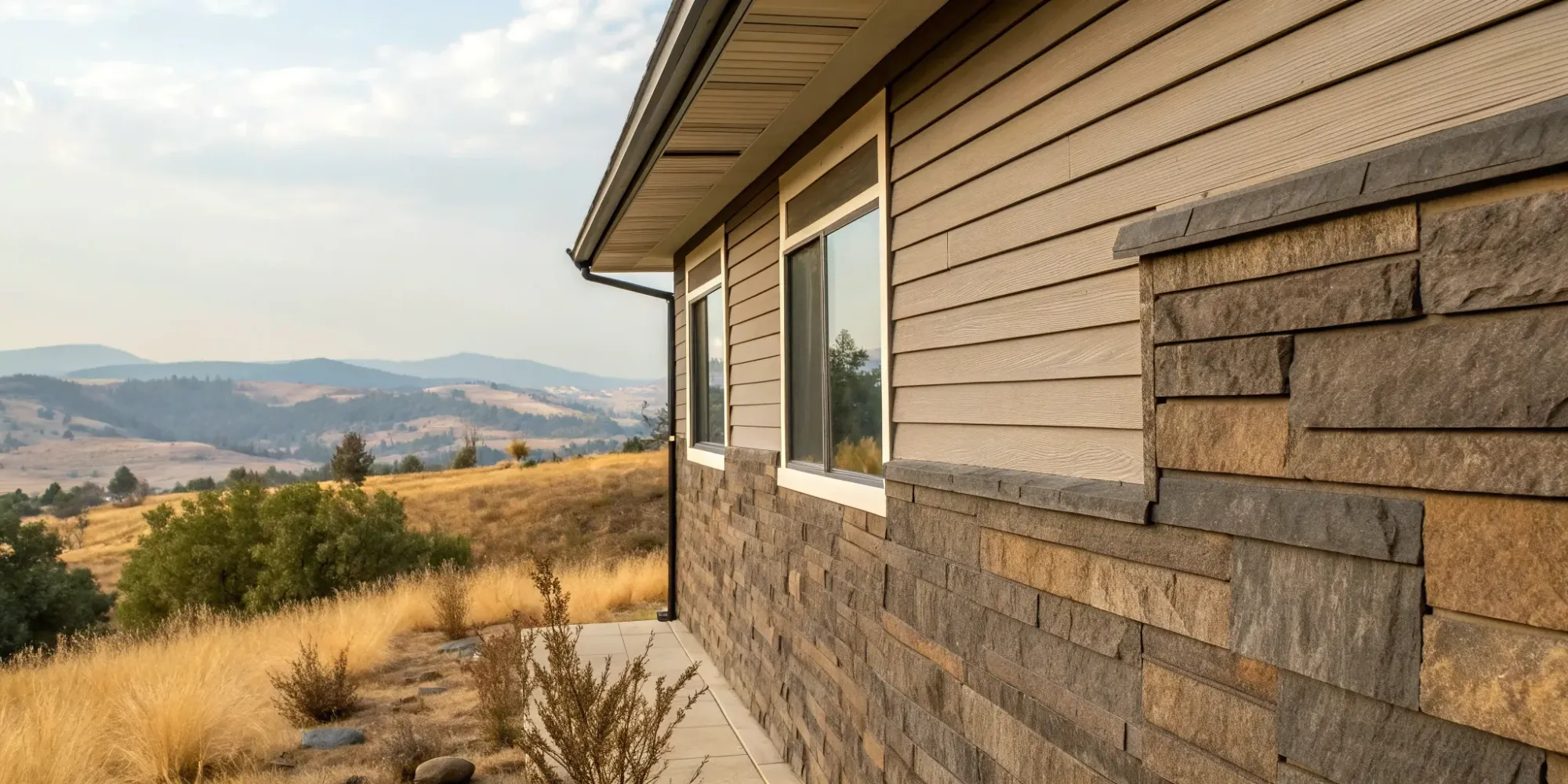
The 4 Best Non-Combustible Siding Options Reviewed
December 23, 2025 · 17 min read
Many homeowners believe that choosing fire-resistant siding means settling for a sterile, industrial look. They picture a home that’s safe but lacks the warmth and character they’ve always wanted. I’m here to tell you that’s simply not true anymore. You don’t have to sacrifice curb appeal for peace of mind. Today’s advanced materials make it possible to have the rich, textured appearance of wood or the classic, seamless look of stucco without the associated fire risk. You can design a beautiful home that is also incredibly resilient. Let’s explore the best non-combustible siding options that prove safety and style can, and should, go hand in hand.
Key Takeaways
- Choose Materials That Won't Burn: True safety comes from non-combustible materials that carry a Class A fire rating, like fiber cement, metal, stucco, and stone. Unlike materials that are merely "fire-resistant," these options won't add fuel to a wildfire.
- Find the Right Fit for Your Home and Budget: Safety doesn't mean sacrificing style or breaking the bank. Consider how each material's cost, maintenance needs, and aesthetic align with your goals—from versatile fiber cement to ultra-durable stone and brick.
- Confirm Compliance Before You Buy: Your siding choice must meet local building codes and be acceptable to your insurer. Always check with your local building official and insurance agent first to prevent costly rework and ensure your home is properly protected.
What Is Non-Combustible Siding (And Why Does It Matter)?
Simply put, non-combustible siding is made from materials that won't burn. While some siding might be treated to be "fire-resistant," non-combustible materials are fundamentally different because they are engineered to resist fire completely. Think of it as your home's first and most important line of defense against flying embers and radiant heat, which are the primary ways wildfires spread to homes.
For homeowners in high-risk areas, this isn't just a minor detail—it's a critical safety feature. The right siding can be the deciding factor in whether your home survives a wildfire. It protects the more vulnerable structural components underneath, giving firefighters a better chance to save your property and, most importantly, giving you more time to get to safety. Beyond protection, choosing non-combustible siding can also make your home easier to insure and ensure it meets strict local building codes, saving you from costly headaches down the road.
What Do Fire-Resistance Ratings Mean?
When you're shopping for siding, you'll likely come across fire-resistance ratings. These ratings tell you how well a material can withstand fire and prevent it from spreading. The most important one to look for is the Class A rating.
Materials with a Class A fire rating offer the highest level of protection. This means they have been rigorously tested and proven to withstand severe fire exposure for an extended period without igniting or contributing to the flames. For anyone living in a wildfire-prone area, choosing siding with a Class A rating is one of the most effective steps you can take to harden your home against fire.
Meeting Building Codes in Fire-Prone Areas
If you live in a high-risk fire zone, your choice of siding isn't just a personal preference; it's often dictated by law. Many communities, especially those in the Wildland-Urban Interface (WUI), have specific building codes that mandate the use of non-combustible or ignition-resistant materials for home exteriors.
These codes are in place for everyone's safety. Before you begin any new construction or renovation project, it's essential to consult your local building official or a licensed contractor. They can help you understand the specific requirements for your area, ensuring your project is approved without delays and that your home is as safe as it can be.
Common Myths About Fire-Resistant Siding
There's a lot of confusing information out there, so let's clear up a common myth. Some materials are marketed as "fire-resistant" but can still fail under extreme heat. For example, while vinyl siding won't easily ignite, it can melt and warp when exposed to high temperatures, leaving the structure underneath vulnerable to flames.
This is why understanding the term "non-combustible" is so important. True non-combustible materials, like fiber cement or stone, won't contribute fuel to a fire. They are designed to maintain their structural integrity even when things get incredibly hot. Always dig deeper than the marketing claims and look for materials that are genuinely non-combustible, not just resistant to ignition.
Your Top Non-Combustible Siding Options
Choosing the right siding for your home is a big deal. It’s the first thing people see, and it’s your home’s primary defense against the elements. When you live in an area at risk for wildfires, that decision becomes even more critical. You need a material that not only looks great but also provides a strong, non-combustible barrier that can help protect your home and family. The good news is you don’t have to sacrifice style for safety.
Many homeowners think fire-resistant siding means settling for a sterile, industrial look, but that couldn’t be further from the truth. Today’s non-combustible materials come in a huge range of styles, textures, and colors, allowing you to create the exact aesthetic you want. From siding that mimics the warm look of wood to sleek, modern panels, there are options to fit any architectural design. Below, we’ll walk through the four most trusted and popular non-combustible siding materials: fiber cement, metal, stucco, and stone or brick. Each one offers a unique combination of durability, fire resistance, and design flexibility, giving you the power to build a home that’s both beautiful and resilient.
Fiber Cement
If you’re looking for an all-around performer, fiber cement is tough to beat. It’s made from a simple mix of water, sand, cement, and cellulose fibers, creating an incredibly durable and fire-resistant material. What I love most about it is its versatility. Fiber cement can be manufactured to look like wood lap siding, shingles, or even stucco, giving you complete design freedom without the fire risk of actual wood. It offers a fantastic mix of fire protection, value, and aesthetics, so you don't have to compromise. It won’t ignite when exposed to a direct flame and won’t contribute fuel to a fire, which is exactly what you need for peace of mind in a high-risk area.
Metal
For a more contemporary look, metal siding is an excellent non-combustible choice. Typically made from steel or aluminum, it’s sleek, low-maintenance, and stands up incredibly well to fire. Because metal doesn’t burn, it provides a formidable shield for your home’s structure. It’s also resistant to rot, pests, and moisture, making it a durable long-term investment. While you might picture industrial-style buildings, modern metal siding comes in various profiles and colors, from smooth, flat panels to corrugated designs that add texture and character. It’s a practical and stylish option for anyone wanting a modern, fire-resistant home that requires very little upkeep over the years.
Stucco
Stucco is a classic choice that has been used for centuries, and for good reason. This siding is made from non-flammable materials like cement, sand, and lime, creating a hard, durable shell around your home. A traditional stucco application that’s about an inch thick can provide a one-hour fire rating, meaning it can resist fire penetration for up to an hour. This crucial window of time can make all the difference in a wildfire. Stucco offers a seamless, timeless look that works well with many architectural styles, from Mediterranean to modern. It’s a proven and reliable option among fire resistant building materials that delivers both beauty and resilience.
Stone and Brick
When it comes to ultimate fire protection, it’s hard to argue with stone and brick. These materials are naturally non-combustible—they simply can’t burn. Both brick and stone siding are exceptional at slowing the spread of fire, providing a superior level of protection for your home. While they are among the more expensive siding options, their longevity and durability are unmatched. They require virtually no maintenance and add a timeless, substantial beauty to any home. If your budget allows, choosing one of these top fire resistant siding options is one of the best investments you can make in your home’s long-term safety and value.
Comparing Fire Ratings: Which Siding Is Safest?
When you’re building or remodeling a home in a high-risk area, the term "fire-resistant" gets thrown around a lot. But what does it actually mean? The truth is, not all siding materials perform the same way when exposed to extreme heat or flames. Some materials are engineered to be non-combustible, meaning they simply won’t burn. Others might resist ignition for a short time but can eventually melt, warp, or contribute fuel to a fire, which is the last thing you want when every second counts.
Understanding the difference is crucial for protecting your home and family. Fire ratings aren't just technical jargon; they are a clear indicator of how a material will hold up under the worst-case scenario. Choosing a siding with a top-tier fire rating can be one of the most important decisions you make, directly impacting your home's ability to withstand a wildfire. It also plays a significant role in meeting local building codes and securing better home insurance rates. Let’s break down what these ratings mean so you can confidently choose the safest option for your home.
Understanding the Class A Fire Rating
When you see a "Class A" fire rating on a siding product, you can breathe a little easier. This is the highest rating a material can receive, indicating it offers the best resistance to fire. To earn this classification, materials undergo rigorous testing to measure how well they prevent flame spread and whether they are non-combustible. In simple terms, a Class A material won't contribute fuel to a fire. Materials like fiber cement siding are known for achieving this top-tier rating, making them a go-to choice for fire-resilient construction. When you’re comparing options, looking for that Class A rating is your first and most important step toward a safer home.
Key Safety Certifications to Find
Beyond the Class A rating, it’s helpful to know about other safety standards. Building materials are often tested according to protocols set by organizations like ASTM International. For example, ASTM E84 is a standard test that measures the surface burning characteristics of a material. You might also see products listed as "one hour fire-rated," which means the wall assembly can withstand fire for at least an hour before failing. Even materials like vinyl siding can be approved for use in certain fire-rated wall assemblies, though they don't perform the same as truly non-combustible options. Checking the product’s technical data sheet for these certifications gives you a complete picture of its safety profile.
How These Materials Perform in a Real Fire
In a real fire, the difference between siding materials becomes starkly clear. Some siding can ignite and spread flames along the exterior of your home, while others, like vinyl, may melt and expose the structure underneath. Non-combustible materials, on the other hand, are designed to do one thing: resist the fire completely. Fiber cement, stone, and brick won’t burn, which can stop embers from igniting your home’s structure. This is why building experts consistently recommend non-combustible siding for homes in the Wildland-Urban Interface (WUI). It creates a durable, fire-resistant shell that acts as your first line of defense.
The Pros and Cons of Each Siding Type
Choosing a siding material is a balancing act. You’re weighing fire resistance against your budget, aesthetic preferences, and how much time you want to spend on upkeep. Each of the top non-combustible options comes with its own set of trade-offs. Understanding these differences is the key to picking a material that not only protects your home but also fits your lifestyle and budget. Let’s break down what you can expect from each one.
Fiber Cement: The Good and The Bad
Fiber cement siding often feels like the best of all worlds. It delivers an excellent mix of fire protection, value, and design flexibility, so you don’t have to compromise on style to get the safety you need. Because it’s made from cement, sand, and cellulose fibers, it simply doesn't burn, which is a huge relief for anyone in a high-risk area. It can be molded to look like wood clapboard, shingles, or stucco, giving you plenty of design freedom.
On the downside, fiber cement is heavy and requires specialized tools and knowledge for proper installation. A poor installation job can lead to moisture problems down the road. It also needs to be repainted every 10 to 15 years to maintain its appearance and protective qualities.
Metal: Strengths and Weaknesses
If you’re looking for a low-maintenance and modern option, metal siding is a fantastic choice. Typically made from steel or aluminum, it’s a non-combustible material that stands up well to the elements. It won’t rot, warp, or succumb to pests, and its sleek lines are perfect for contemporary home designs. Many homeowners appreciate that it’s a durable, long-lasting solution that requires very little upkeep over its lifespan.
However, it’s important to know that while metal is highly fire-resistant, its overall performance depends on proper installation and the materials underneath it. Lower-quality metal siding can also be prone to denting from hail or other impacts. And while its modern aesthetic is a plus for some, it might not fit the architectural style of every home.
Stucco: What to Expect
Stucco is a classic choice in many parts of the country for a reason. Made from cement, sand, and lime, it’s inherently non-flammable. A standard, properly applied stucco wall can provide a one-hour fire rating, which is critical time for a safe evacuation. This finish offers a seamless, durable exterior that can be tinted in a wide range of colors, giving you a custom look that lasts.
The main drawback is its rigidity. In areas with significant ground shifting, stucco can be prone to cracking. It also requires a skilled professional for installation to ensure a proper moisture barrier is in place, as trapped water can cause significant damage. Repairing cracks and ensuring the finish remains sealed is key to its long-term performance and durability.
Stone and Brick: Is It Worth It?
When it comes to pure fire resistance, it’s hard to beat stone and brick. These materials are completely non-combustible and are considered some of the best fire-resistant siding options available, offering the highest level of protection you can get. They are also incredibly durable, lasting for a century or more with minimal maintenance. The timeless beauty of a brick or stone home adds significant curb appeal and value.
The biggest consideration here is cost. Both the materials and the labor-intensive installation process make stone and brick the most expensive siding options. While more affordable stone and brick veneers are available, their fire resistance can vary based on the product and how they are installed. For many, the upfront investment is a worthwhile trade-off for unparalleled safety and longevity.
Choosing the Best Siding for Wildfire-Prone Areas
Picking the right siding for your home goes beyond curb appeal, especially when you live in an area prone to wildfires. The material you choose is one of the most important decisions you’ll make for your home's defense system. It’s your first line of protection against embers and flames, but it also plays a huge role in meeting local building codes and even affects your home insurance rates. It can feel like a lot to juggle, but getting this choice right from the start saves you headaches, money, and provides invaluable peace of mind.
Making the right choice means looking at the full picture. You need a material that not only stands up to fire but also fits your budget, climate, and long-term maintenance goals. It's about finding that sweet spot between safety, aesthetics, and practicality. A beautiful wood siding might look great, but it could make your home uninsurable or non-compliant with local codes. On the other hand, a highly fire-resistant material might not hold up well in a humid climate or might be outside your budget. Let’s walk through the key factors to consider so you can feel confident in your decision and build a home that's as resilient as it is beautiful.
Meeting Wildland-Urban Interface (WUI) Codes
If your home is in a wildfire-prone region, you’re likely building in what’s known as the Wildland-Urban Interface (WUI). These areas have specific building codes designed to reduce fire risk, and your siding is a major focus. Local WUI regulations will dictate the types of materials you can use, often requiring non-combustible or ignition-resistant options. Materials like fiber cement siding are frequently recommended because they meet these strict standards. For example, many fiber cement products come with a Class A fire rating, which is the highest level of fire resistance a material can receive. Before you fall in love with a particular siding style, always check your local WUI codes first to ensure your choice is compliant.
How Your Siding Choice Affects Insurance Costs
Your siding doesn't just protect your home—it protects your wallet, too. Insurance companies pay close attention to a home’s construction materials when calculating premiums, especially in high-risk areas. Choosing non-combustible siding can directly impact your ability to get coverage and may lead to lower insurance costs over time. Think of it from an insurer's perspective: a home built with fire-resistant materials is a much lower risk to insure. By investing in materials like stucco, metal, or fiber cement, you’re demonstrating that you’ve taken proactive steps to mitigate damage. This not only gives you peace of mind but also makes your home a more attractive, less risky property in the eyes of an underwriter.
Factoring in Your Local Climate
While fire resistance is the top priority, your siding also has to withstand the day-to-day challenges of your local climate. A material that performs well against fire but cracks under intense sun or warps after heavy rain isn't a sustainable choice. You need a siding that offers a balance of safety and long-term durability for your specific environment. This is another reason why fiber cement is such a popular choice in fire-prone areas. It’s not only non-combustible and durable but also resistant to rot, pests, and moisture. When making your selection, consider how the material will hold up to sun exposure, humidity, and temperature swings to ensure your investment lasts for decades.
Balancing Maintenance, Durability, and Style
Choosing siding is a big decision that goes beyond just safety ratings. You have to live with it every day, so it needs to look great, hold up over time, and fit the amount of upkeep you’re willing to do. It’s about finding that perfect balance where you feel safe without sacrificing style or signing up for a lifetime of maintenance. Let’s break down how these non-combustible options stack up in the real world, helping you find the right fit for your home and lifestyle.
Upkeep: What Each Material Requires
Your siding is your home’s first line of defense, but you don’t want to spend every weekend on maintenance. Luckily, non-combustible materials are generally low-upkeep. Fiber cement siding, for example, just needs a yearly washing to stay fresh. Metal siding is also durable, though you’ll want to check for deep scratches that could lead to rust. Stucco requires more vigilance; inspect it for cracks and have them sealed to prevent moisture from getting behind it. For the lowest maintenance possible, stone and brick are the champions. A gentle cleaning is usually all they ever need.
Finding a Look You'll Love
A fire-resistant material doesn’t mean an industrial look. You have more design flexibility than you might think. Fiber cement is the ultimate chameleon, available in many styles, colors, and textures that convincingly mimic wood siding, shingles, and more. It gives you a classic aesthetic without the fire risk. For a modern or rustic-industrial vibe, metal siding offers clean lines and a sleek finish. Stucco provides a smooth appearance that’s perfect for Spanish or contemporary homes. For a timeless, high-end feel, nothing beats the classic beauty of stone or brick, which add character and permanence.
Which Siding Lasts the Longest?
When you invest in new siding, you want it to last. These non-combustible options are built for the long haul, but some have an edge. Stone and brick are in a league of their own, lasting 100 years or more with minimal care. They are incredibly resistant to impact, moisture, and pests. Fiber cement is another top performer. Because it resists common issues like rot and insects, it can protect your home for 50 years or more. Metal siding also has a long lifespan, especially with modern coatings. While properly installed stucco is durable, it’s more susceptible to damage from impact or settling, which can shorten its life if cracks aren’t repaired.
Making Your Final Decision
Choosing the right siding is a big commitment, but by now, you should have a clear idea of which materials align with your safety needs, budget, and style. It’s about finding that sweet spot where performance meets personal taste. Think of it as the final step in wrapping your home in a protective, beautiful layer that gives you peace of mind. As you weigh your options, focus on these three key areas: the total cost, how it will look on your home, and ensuring it meets all local safety requirements. Getting these details right from the start saves you from headaches and costly changes down the road. Let’s walk through how to nail down your final choice.
Comparing Material and Installation Costs
Your budget will naturally play a big role in your decision. While it’s tempting to look for the cheapest siding options, remember that in fire-prone areas, the upfront cost is just one part of the equation. Non-combustible materials are an investment in your home’s resilience. For example, fiber cement siding is a popular and effective choice, typically running between $6 and $12 per square foot installed. Steel siding is another durable, fire-resistant option that can offer a high-end look with an authentic wood grain appearance. While materials like brick and stone have a higher initial cost, their longevity and minimal maintenance can make them more cost-effective over the life of your home.
Matching Siding to Your Home's Architecture
Safety doesn't mean you have to sacrifice style. Thankfully, today’s non-combustible siding materials come in a huge range of colors, textures, and finishes to complement any architectural design. Fiber cement is incredibly versatile and can be manufactured to look just like traditional wood lap siding, shingles, or panels. This allows you to achieve a classic look without the fire risk. Brick offers a timeless, traditional aesthetic that is universally recognized for its durability and strength. If you prefer a more modern or rustic feel, steel and other metal sidings can provide clean lines or a warm, wood-like finish. The goal is to find a material that not only protects your home but also enhances its curb appeal.
How to Verify Your Choice Meets Local Codes
This final check is the most important one—don’t skip it. Building codes, especially in high-risk areas and the Wildland-Urban Interface (WUI), are specific and non-negotiable. Before you purchase any materials, you must confirm that your chosen siding meets local requirements. The best first step is to consult your local building official, who can provide clear guidance on approved materials and installation methods for your specific location. They will have the final say on what is permitted. Verifying compliance beforehand ensures your project runs smoothly and, most importantly, that your home is as safe as it can be.
Related Articles
- 4 Best Fire-Resistant Siding Options
- Best Fire Resistant Siding: A Buyer's Guide
- Is Smart Siding Fire Resistant? A Complete Guide
Frequently Asked Questions
Is "fire-resistant" siding good enough, or do I really need "non-combustible"? Think of it this way: "fire-resistant" means a material can delay the spread of fire, but it might eventually burn or melt. "Non-combustible" means the material itself will not burn, period. For homes in high-risk areas, non-combustible is the gold standard. It won't add fuel to a fire, which is critical when embers are flying. While resistance is good, non-combustibility is better for true peace of mind.
Does installing non-combustible siding make my home completely fireproof? No, and this is a really important distinction. Non-combustible siding is a critical part of a larger home defense system, but it doesn't make your house invincible. Wildfires can still threaten homes through vulnerable areas like vents, windows, and decks. Siding is your first and best line of defense for your walls, but you should also consider other home-hardening strategies to create a truly resilient property.
Which non-combustible siding offers the best value for the money? For most homeowners, fiber cement hits the sweet spot between cost, durability, and fire safety. It delivers the Class A fire rating you need without the premium price tag of stone or brick. While metal and stucco are also excellent, fiber cement's versatility in mimicking different styles, like wood, makes it a popular choice that provides incredible value and protection for your investment.
How do I find out the specific siding requirements for my property? The most direct and reliable way is to contact your local building department or fire marshal. They are the ultimate authority on what is required in your specific area, especially if you live in a Wildland-Urban Interface (WUI) zone. Don't rely on general advice online; a quick phone call or visit to their office will give you the exact codes you need to follow.
Will my choice of siding really affect my home insurance? Yes, it absolutely can. Insurance companies assess risk, and a home with non-combustible siding is a much lower risk than one with flammable materials. Choosing a material like fiber cement, metal, or stone can make it easier to get coverage in a high-risk area and may even help you qualify for a better premium. It's a clear signal to insurers that you've taken serious steps to protect your property.