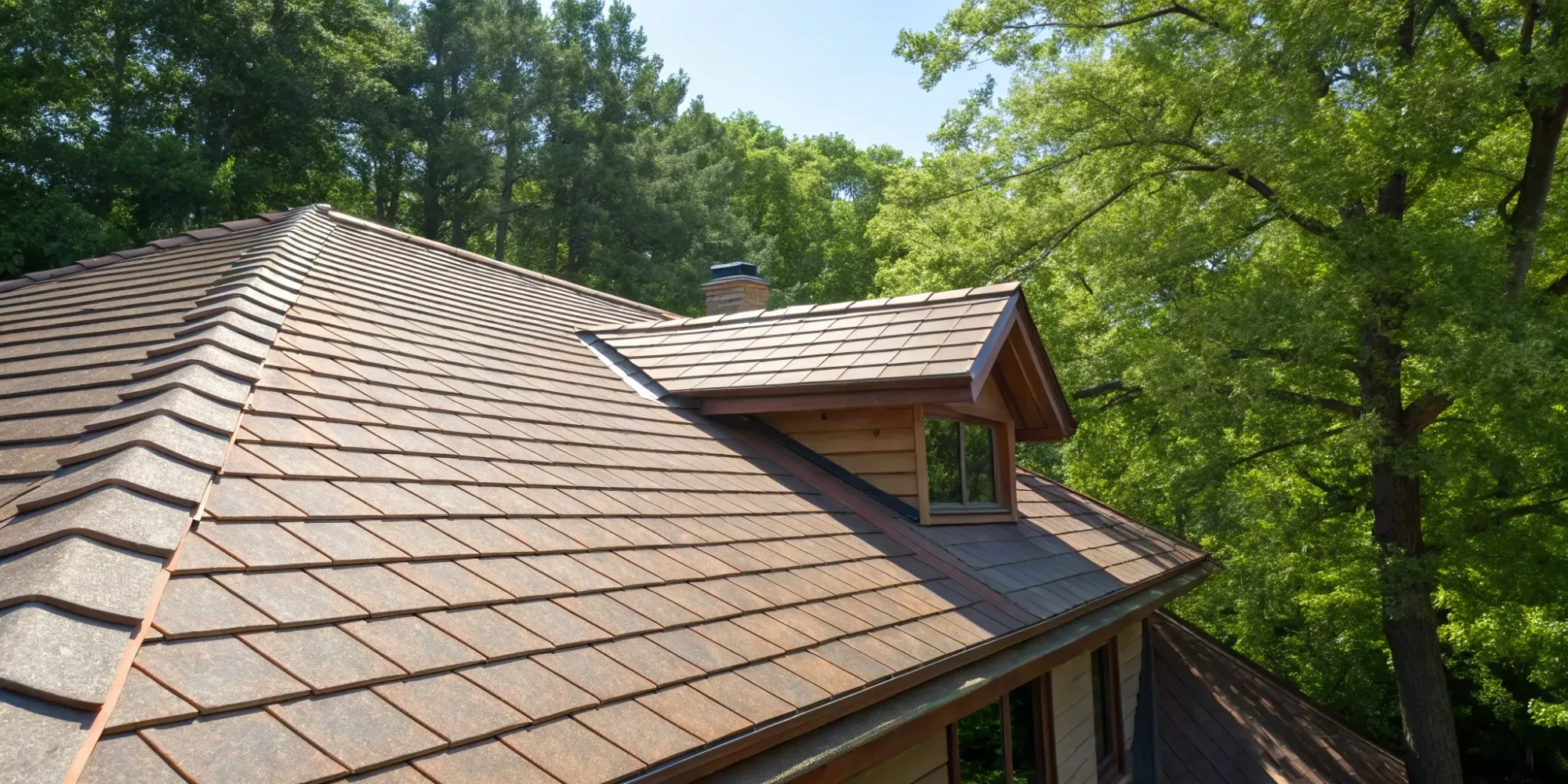
How Much Does Class A Roofing Cost? A Full Guide
November 5, 2025 · 19 min read
When homeowners first hear the numbers associated with fire-resistant roofing, it’s easy to experience some sticker shock. But the initial class A roofing cost doesn’t tell the whole story. The real value is found in the long-term savings, durability, and the simple fact that a safer home is a better investment. Before you rule it out based on price alone, it’s important to understand the complete picture. We’ll look past the myths and break down what you’re really paying for, from superior materials to long-term durability, and even explore financial incentives that can make this essential upgrade more affordable than you might think.
Key Takeaways
- Prioritize a Class A Rating in High-Risk Zones: This is the highest level of fire protection you can get for your roof. In many wildfire-prone areas, it’s not just a smart choice but a legal requirement that makes your home safer and easier to insure.
- View the Cost as a Long-Term Investment: A Class A roof costs more initially, but it pays off through higher property value, lower maintenance, and potential insurance discounts. Be sure to research federal tax credits and local rebates to reduce the upfront expense.
- Plan for the Full Project Scope: Your final price is more than just materials. Get at least three itemized bids from contractors and include a 10-15% contingency fund in your budget to cover unexpected issues like rotted decking.
What is Class A Roofing (And Why It Matters)?
When you’re building or renovating a home, especially in an area at risk for wildfires, the term “Class A roofing” comes up a lot. So, what does it actually mean? Simply put, a Class A fire rating is the highest level of fire resistance a roofing material can achieve. Think of it as the gold standard for protecting your home from embers and flames that can travel for miles. It’s a designation that tells you, your builder, and your insurance company that your roof is built to withstand a severe fire.
To earn this rating, a complete roofing system—not just the shingles, but the entire assembly including underlayment and sheathing—must pass a series of demanding tests. These tests, outlined in standards like UL 790, simulate severe fire conditions with direct flames and burning embers. A Class A roof is proven to effectively withstand significant fire exposure, resist the spread of flames across its surface, and prevent fire from penetrating into the structure of your home. For homeowners in high-risk zones, choosing a Class A roof isn’t just a building choice; it’s a critical layer of defense that provides invaluable peace of mind and makes your property far more resilient and insurable.
How Fire Resistance Ratings Work
Fire resistance ratings give you a clear, standardized way to understand how well your roof can hold up against a fire. The testing process is intense. Roofing materials are subjected to direct flames and burning brands to measure their performance. A Class A rating means the material did not ignite, effectively stopped the fire from spreading across the roof surface, and prevented it from burning through to the underlying roof deck. This is the key difference that can save a home during a wildfire, where homes are most often ignited by wind-blown embers landing on the roof.
Building Codes in High-Risk Areas
If you live in a wildfire-prone region, your local building codes will likely have strict requirements for roofing. For example, many communities in California mandate that any new construction or significant roof replacement must use Class A materials. These codes are in place for a reason: they create safer homes and, by extension, safer neighborhoods. A single home with a less-resistant roof can become a weak link, allowing a fire to spread more easily. Understanding your local building code requirements is the first step in ensuring your project is compliant, safe, and insurable.
How Much Does Class A Roofing Cost?
Let’s talk numbers. Choosing a Class A roof is a smart move for protecting your home, but it’s also a significant financial decision. The final price tag depends heavily on the material you choose, and the options range from budget-friendly to a serious luxury investment. It’s important to remember that these figures are national averages for a standard-sized home; your final quote will be shaped by factors like your roof’s specific size, its complexity, and local labor costs.
Think of this as a starting point for your budget. As you look at these numbers, consider not just the upfront cost but the long-term value. A more expensive material might last twice as long, require fewer repairs, and offer better protection, which can save you money and stress down the road. It could also make your home more attractive to insurers, especially in high-risk areas. Here’s a breakdown of what you can generally expect to pay for the most common Class A roofing materials, based on data from Roofing Calculator.
Asphalt Shingles: $5,840–$10,100
Asphalt shingles are the most common roofing material in the country for a reason: they offer a great balance of performance and affordability. For a Class A fire rating, you’ll be looking at fiberglass-based shingles, which are treated to resist fire. The average cost for a professional installation on a typical home falls between $5,840 and $10,100, or about $3.50 to $6.00 per square foot. They are relatively easy to install, which helps keep labor costs down. While they may not have the lifespan of metal or slate, modern architectural shingles are durable and come in a huge variety of colors and styles to match your home’s aesthetic.
Metal Roofing: $10,245–$41,640
If longevity and resilience are your top priorities, metal roofing is an excellent choice. It’s naturally fire-resistant and stands up incredibly well to wind, hail, and heavy rain. The cost for a metal roof has a wide range—from $10,245 to $41,640—because there are so many options. Simple galvanized steel is on the lower end, while premium materials like copper or zinc are at the high end. The style also impacts the price, with standing-seam panels generally costing more than metal shingles. While the initial investment is higher than shingles, a metal roof can last 50 years or more, often for the entire time you own your home.
Tile Roofing: $10,665–$20,900
For a classic look with incredible durability, tile roofing is hard to beat. Made from concrete or clay, tiles are inherently non-combustible, easily earning them a Class A rating. The average cost is between $10,665 and $20,900. Clay tiles are often a bit more expensive but offer rich, long-lasting color, while concrete tiles are extremely durable and can be shaped to mimic slate or wood shake. The main consideration with tile is weight; your home’s structure must be strong enough to support it. For homes with Spanish, Mediterranean, or Southwestern architecture, a tile roof is often the perfect finishing touch, providing both beauty and top-tier fire protection.
Slate Roofing: $39,925–$54,020
Slate is the gold standard of roofing materials. It’s a natural stone, making it completely fireproof, incredibly durable, and stunningly beautiful. This premium performance comes with a premium price tag, ranging from $39,925 to $54,020. A slate roof is a true long-term investment, with a lifespan that can exceed 100 years. The cost is driven not only by the material itself but also by the highly specialized labor required for a proper installation—not every roofer is qualified to install slate. For a historic home or a new build where you want the absolute best in terms of longevity and protection, a slate roof is an investment that can last for generations.
What Factors Influence the Final Price Tag?
The price ranges for different Class A roofing materials give you a starting point, but your final bill will depend on the specifics of your project. Several key variables can swing the cost in either direction. Understanding these factors will help you create a more accurate budget and have more informed conversations with contractors. From the shape of your roof to the rules in your town, here’s a breakdown of what really determines the final price tag.
Your Roof's Size and Complexity
This seems straightforward: a larger roof requires more materials and labor, so it costs more. For example, replacing a roof on a standard 2,000-square-foot house can run anywhere from $7,200 to over $24,000. But size is only part of the story. The complexity of your roof's design plays a huge role. A simple, flat roof is much easier and cheaper to work on than one with a steep pitch, multiple gables, dormers, or valleys. Features like chimneys and skylights also add to the cost because they require special flashing and careful sealing to prevent leaks. Each angle and feature adds time and skill to the job, which is reflected in your final quote.
Geographic Location and Labor Rates
Where you live has a major impact on your roofing bill. Labor costs can vary dramatically from state to state and even from one city to the next. Contractors in dense urban areas with a higher cost of living typically charge more than those in rural communities. The overall cost of a new roof can range from $3.50 to $7.50 per square foot, and a big piece of that is labor. Local demand also plays a part; if you're in an area recently hit by a storm, you might find that prices are higher due to increased demand for roofers. This is why getting at least three quotes from local, reputable contractors is so important for understanding the fair market rate in your specific area.
Installation Rules and Permits
You can’t just tear off an old roof and put on a new one. Your project has to comply with local building codes, and that often comes with costs. Most municipalities require a building permit for a roof replacement, especially if you’re changing more than half of it or live in a high-fire-risk area. Permit fees vary by location but are a necessary part of the budget. More importantly, the codes themselves dictate how the roof must be installed. This might mean specific types of underlayment, fastening methods, or ventilation are required, all of which can add to the material and labor costs. A professional contractor will know exactly what the local codes require and ensure the job is done right.
Material Quality and Brand
Even after you’ve chosen a material type, like metal or tile, the specific brand and quality level you select will significantly affect the price. Just like with any other product, there are entry-level options and premium lines that come with higher price tags but often offer better durability, longer warranties, and more advanced features. A new roof cost guide will show that prices per square foot vary widely based on the material. It’s also worth noting that some materials that seem cheaper upfront might require more specialized labor to install, driving up the overall project cost. When comparing quotes, make sure you’re looking at the specific products being proposed, not just the general material category.
How Does Class A Compare to Other Fire Ratings?
When you see a "Class A" rating on a roofing material, it means you're looking at the highest level of fire resistance available for your home. Think of it as the gold standard for safety. To earn this rating, materials go through intense testing where they're exposed to direct flames and extreme heat to see how well they hold up. A Class A roof is designed to prevent flames from penetrating your roof deck and spreading to the rest of your house, which is a critical line of defense, especially if you live in an area prone to wildfires.
While Class A offers the best protection, you’ll also see Class B and Class C ratings. Class B materials can withstand moderate fire exposure, while Class C materials offer only light fire protection. There is also an "unrated" category for materials that don't meet the minimum requirements for a Class C rating. Understanding these differences is key to choosing a roof that not only fits your budget but also gives you the right level of protection for your home and family.
A Look at Class B & C Pricing
It’s no surprise that the level of fire resistance often ties directly to cost. Class B and C roofing materials are generally less expensive than their Class A counterparts, which can be tempting if you’re working with a tight budget. On average, roofing costs can fall anywhere between $3.50 and $7.50 per square foot, but this number shifts based on the material you choose. While a lower upfront price is appealing, it’s important to remember that you’re also getting a lower level of fire protection. For homeowners in lower-risk areas, a Class B or C roof might be sufficient, but it’s a trade-off you’ll want to consider carefully.
Thinking About Long-Term Value and Durability
Investing in a Class A roof might mean a higher initial price tag, but it often pays for itself over the long haul. Paying more upfront for quality roofing materials and professional installation can save you a lot of money on future repairs and replacements. These durable materials are built to last, which enhances your home's value and can even help lower your energy bills. In high-risk regions, a Class A roof isn't just a smart choice—it's often a legal requirement for new construction and major re-roofing projects. This investment gives you more than just a sturdy roof; it provides lasting security and peace of mind.
Can You Get Financial Help for a Class A Roof?
Seeing the price tag for a Class A roof can be a bit of a shock, but don’t let the initial number discourage you. Investing in a fire-resistant roof is one of the smartest moves you can make for your home’s safety, especially in a high-risk area. The good news is that you don’t have to bear the full cost alone. Several financial incentives are available to make this essential upgrade more affordable.
From federal tax credits to local rebates and even long-term insurance savings, there are practical ways to reduce the financial burden. Think of it less as an expense and more as a strategic investment in your home’s resilience—one that government programs and insurance companies are often willing to support. Taking the time to explore these options can save you thousands of dollars, making peace of mind much more attainable. Let’s walk through the main avenues for financial assistance.
Federal Tax Credits Up to $1,200
One of the most direct ways to save is through federal incentives. Homeowners can claim a tax credit for 30% of the material costs, up to a maximum of $1,200. It’s important to note that this credit applies specifically to the roofing materials themselves, not the cost of labor or installation.
To take advantage of this, make sure you keep detailed receipts for all your material purchases. When tax season rolls around, you or your tax professional can file for the credit. It’s a straightforward way the government helps offset the cost of making your home safer and more energy-efficient.
State and Local Rebate Programs
Beyond federal help, don’t forget to look into programs in your own backyard. Many state and local governments offer rebates for homeowners who make resilient or energy-efficient upgrades. These initiatives often encourage the use of materials like cool roofs, which reflect more sunlight and can lower cooling costs—and many of these materials also carry a Class A fire rating.
A quick search on your state’s Department of Energy website or your city’s official site can reveal programs you might be eligible for. These rebates can significantly cut down your out-of-pocket costs, so it’s well worth a few minutes of research before you start your project.
Potential Insurance Premium Reductions
A Class A roof makes your home far less risky to insure, and many providers will reward you for it. By installing a fire-resistant roof, you’re reducing the likelihood of a catastrophic claim, which can translate into lower insurance premiums. While not a guaranteed discount from every carrier, it’s a common benefit that provides long-term value year after year.
The key is to be proactive. Before you even hire a contractor, call your insurance agent. Ask them what specific discounts they offer for installing a Class A roof and what documentation they’ll need. Getting this information upfront ensures you choose a qualifying material and can start saving as soon as the project is complete.
How Do Local Rules Affect Your Costs?
When you're budgeting for a new roof, it's easy to focus on materials and labor. But local rules and regulations can add another layer of costs you might not see coming. These aren't just suggestions; they're legal requirements that dictate what materials you can use and how the work needs to be done. Especially if you live in a high-risk area, understanding these local mandates is key to creating an accurate budget and avoiding expensive surprises down the road. Let's break down the two biggest factors: specific material requirements and the fees for permits and inspections.
Requirements in Wildfire-Prone Areas
If your home is in an area prone to wildfires, your local building codes will almost certainly have a say in your roofing project. In many of these regions, especially those designated as a Very High Fire Hazard Severity Zone, a Class A roof isn't just a smart choice—it's the law. These regulations are in place to protect your home from flying embers and direct flames. It's a critical safety measure that can also make your home more insurable. Be aware of a common rule: if you replace more than 50% of your roof within a year, you'll likely be required to upgrade the entire roof to meet Class A standards. This can significantly change the scope and cost of your project, so it's vital to know the rules before you start.
Building Permit and Inspection Fees
Beyond material requirements, you'll also need to account for administrative costs like building permits and inspections. You'll almost always need a building permit if you're replacing more than half of your roof or if your home is located in a high-fire-risk area. This isn't just bureaucratic red tape; a permit ensures your contractor is following local codes and the manufacturer's installation specifications. As part of the process, an inspector will likely visit the site during and after the project to verify the work is done correctly. The fees for both the permit and the inspections can add several hundred dollars or more to your total cost, so make sure they're included in your contractor's bid and your overall budget.
Common Myths About Class A Roofing Costs
When you’re looking at the numbers for a Class A roof, it’s easy to get bogged down by sticker shock and common misconceptions. The truth is, the initial price tag doesn’t tell the whole story. Making a smart decision for your home means separating fact from fiction, especially when it comes to your budget and long-term safety. Let’s clear the air on a few myths about the cost of a fire-resistant roof so you can invest with confidence.
The Upfront Cost vs. Long-Term Savings
One of the biggest hurdles for homeowners is the initial expense. It’s true that high-quality, fire-resistant materials and skilled labor cost more upfront than standard options. However, thinking of it only as an expense is a mistake. A Class A roof is an investment that pays dividends over time. A durable, well-installed roof can significantly reduce your energy bills, minimize the need for frequent repairs, and increase your home’s overall value. You’re not just buying shingles; you’re buying decades of security and lower maintenance costs.
What to Really Expect from Insurance Discounts
Many people assume that installing a Class A roof automatically unlocks major discounts on their homeowner's insurance. While it’s a logical assumption—a safer home should cost less to insure—it’s not always that simple. Some insurers do offer premium reductions for resilient materials, but the amount varies widely by company, location, and your specific policy. Don’t count on a huge discount to offset the cost. Instead, have a direct conversation with your insurance agent before you build or reroof to understand what potential savings you might actually see.
The Hidden Costs and Risks of DIY Installation
In an effort to cut costs, you might be tempted to install your new roof yourself. While the DIY spirit is admirable, roofing is one area where it can backfire spectacularly. Without professional skills and specialized tools, you risk an improper installation that can lead to leaks, structural damage, and voided material warranties. These mistakes often result in much higher costs down the road when you have to hire a pro to fix the initial work. Waiting until you spot a leak is a risky gamble; proactive maintenance and professional installation are always the safer, more cost-effective choices.
How to Budget for Your Class A Roof
Creating a realistic budget for a Class A roof is about more than just the price of materials. It’s about planning for the entire project, from getting fair estimates to setting aside funds for those "just in case" moments. A solid budget ensures your project stays on track and that your investment in a fire-resistant roof doesn't come with any financial surprises. By thinking through the details upfront, you can approach your roofing project with confidence and a clear understanding of the total cost.
Getting Accurate Contractor Bids
The first step to a solid budget is getting clear, comprehensive quotes from qualified professionals. Don’t just settle for the first estimate you receive. It’s smart to ask at least two or three different roofing companies for a detailed bid. This helps you get a feel for the fair market price in your area and find a contractor you trust. When reviewing bids, make sure they’re itemized. A good quote will break down all the additional costs beyond just the shingles and labor, including things like underlayment, flashing, ventilation, and the cost of removing and disposing of your old roof. A thorough bid prevents sticker shock later on.
Planning for Unexpected Costs
Even the most detailed plan can hit a snag. When it comes to roofing, surprises often hide underneath the old shingles. It’s wise to build a contingency fund into your budget—typically 10% to 15% of the total project cost—to cover unforeseen issues. The most common surprise is discovering rotted or damaged roof decking once the old materials are removed. Addressing these roof decking repairs is critical for a sound installation and can add to your final bill. Waiting until you see a leak to address problems is a risky move that often leads to more extensive damage and higher costs down the road. Being prepared for the unexpected makes the entire process much smoother.
So, Is a Class A Roof Worth It?
After looking at the numbers, it’s clear that a Class A roof is a significant investment. The upfront cost is higher than other options, and it’s natural to wonder if the price tag is justified. The short answer is yes, especially if you live in an area prone to wildfires or other hazards. When you look beyond the initial expense, the long-term benefits for your safety, finances, and peace of mind are substantial.
Think of it less as an expense and more as an investment in your home’s resilience. A Class A roof isn't just about meeting minimum requirements; it's about building a stronger, safer home that can better withstand environmental threats. This decision impacts everything from your family’s security to your ability to secure favorable insurance. For homeowners, architects, and builders in high-risk regions, choosing a Class A roof is a foundational step in creating a structure that is not only compliant with building codes but also attractive to insurers. It’s a proactive measure that pays dividends in security and financial stability long after the construction is complete. Let’s break down the two biggest payoffs.
The Payoff: Safety and Peace of Mind
You can’t put a price on feeling safe in your own home. A Class A roof is designed to provide top-tier fire resistance, giving you the highest level of protection available. To earn this rating, roofing materials must pass tough tests that simulate severe fire exposure, including direct flames and intense heat. This means that if embers from a nearby wildfire land on your roof, they are far less likely to ignite a fire and destroy your home.
In many high-risk areas, this isn't just a smart choice—it's the law. Building codes in places like Los Angeles County often mandate Class A roofing to protect communities from fire. By installing a compliant roof, you’re not only protecting your own property but also contributing to the safety of your entire neighborhood.
The Payoff: Higher Property Value and Better Insurability
A Class A roof does more than just protect your home; it also protects your financial interests. Investing in high-quality, resilient materials can directly enhance home value and make your property more attractive to potential buyers. In today’s market, especially in high-risk regions, a fire-resistant roof is a powerful selling point that signals a home is well-maintained and built to last.
Furthermore, a Class A roof is a green flag for insurance companies. Insurers are increasingly cautious about covering homes in wildfire-prone areas, and having a certified fire-resistant roof can make a huge difference. It can lead to lower annual premiums and, in some cases, may be the deciding factor in whether you can get coverage at all. This makes your home a less risky asset for both you and your insurer.
Related Articles
Frequently Asked Questions
What's the real difference between a Class A roof and other ratings? Think of it as a grading system for fire safety. A Class A rating is the highest mark a roof can get, meaning it has been tested and proven to withstand severe fire exposure. Class B offers moderate protection, while Class C provides only light protection. For homes in high-risk areas, the difference is critical—a Class A system is designed to stop embers from burning through to your home's structure, which is how most homes are lost in wildfires.
Are there any budget-friendly options for Class A roofing? Absolutely. While materials like slate and copper are significant investments, you don't have to spend a fortune to get top-tier protection. Fiberglass-based asphalt shingles are the most common and affordable Class A option. They offer excellent fire resistance at a fraction of the cost of metal or tile, making them a great choice for homeowners who need to balance safety with a realistic budget.
Why does the whole roofing system matter, not just the shingles? A roof's fire rating isn't just about the top layer you see from the street. The "Class A" designation applies to the entire assembly working together—that includes the shingles, the underlayment beneath them, and the roof deck itself. Simply placing Class A shingles over old, non-compliant materials won't give you the protection you need. A proper installation ensures every component works in concert to create a truly fire-resistant barrier.
Will installing a Class A roof automatically lower my insurance bill? It’s a strong possibility, but it isn't a guarantee. Many insurance carriers offer discounts for homes with Class A roofs because they represent a lower risk, but the amount varies widely. The best approach is to call your insurance agent before you begin your project. Ask them directly what savings you can expect and what documentation they'll need to see once the work is done.
How do I find out if my local laws require a Class A roof? The most reliable way is to check with your local building department. You can usually find this information on your city or county's official website, or by giving them a call. A qualified local roofing contractor will also be very familiar with these requirements. This is a crucial first step, as building codes in high-risk zones are often very strict and non-negotiable.