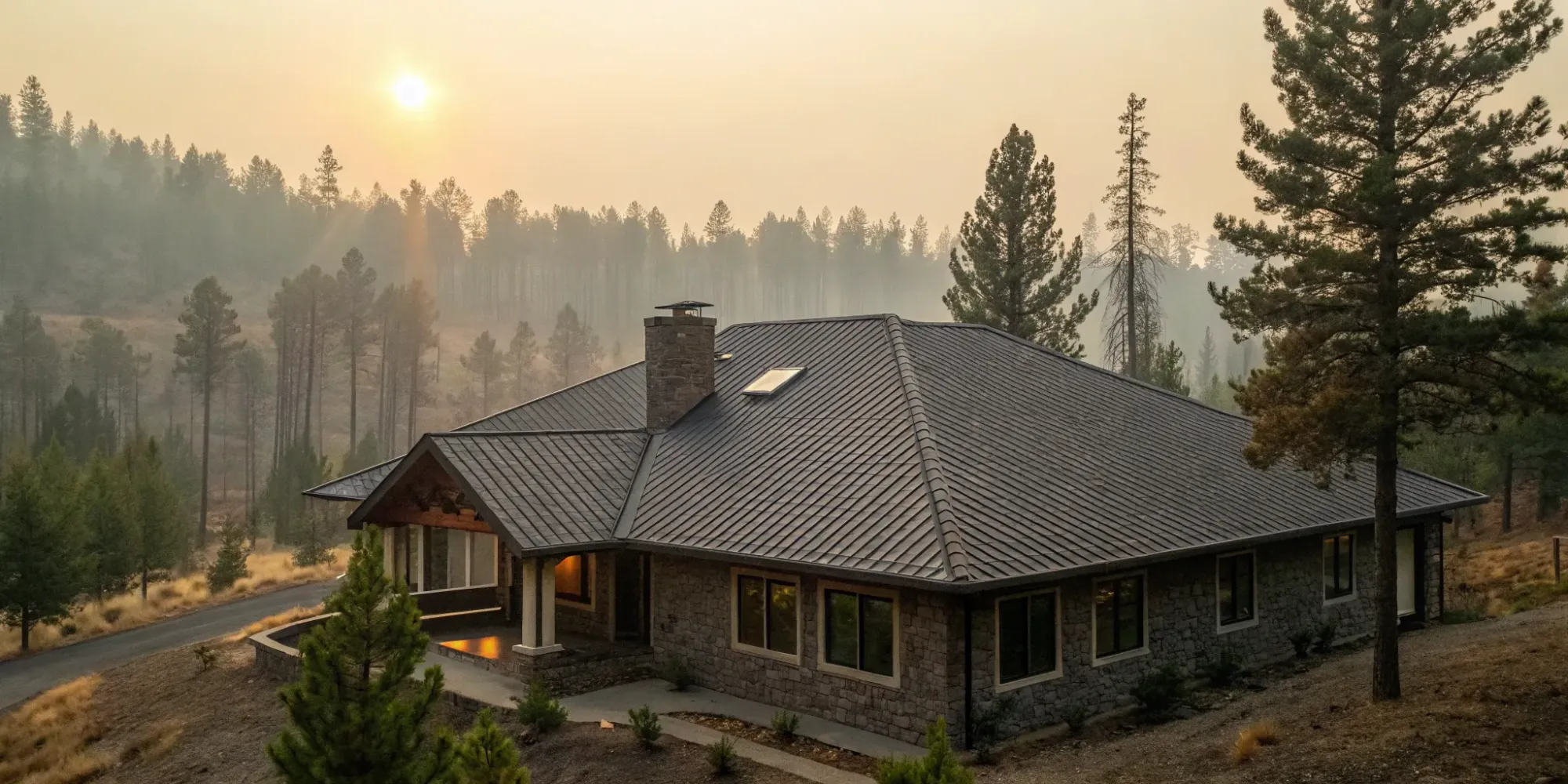
Class A Roofing for MA Fire Zones: A Homeowner's Guide
November 7, 2025 · 21 min read
Let’s clear up a common and dangerous misconception right away: "fire-resistant" does not mean "fireproof." A Class A rating signifies that a roofing material has the highest resistance to catching fire, but it doesn't make your home invincible. True resilience comes from a holistic approach, where your roof works as part of a complete defense system. Believing a single product is a magic bullet can lead to overlooking other critical vulnerabilities. This is why a deep understanding of class A roofing for fire zones in Massachusetts is so important. We’ll break down what this rating really means and how to integrate it into a broader home hardening strategy for genuine protection.
Key Takeaways
- Choose a Class A roof for proven fire protection and financial perks: This rating is the highest standard for resisting fire from embers, but the benefits don't stop there. A compliant Class A roof can also lower your insurance premiums and increase your home's value, making it a smart financial decision.
- Your materials are only as good as their installation: Even the best Class A shingles or tiles won't perform correctly if installed improperly. Ensure your investment pays off by hiring a licensed and insured contractor who understands local building codes and can guarantee your roof functions as a complete, fire-resistant system.
- Look beyond the roof for complete home resilience: A Class A roof is your first line of defense, not your only one. True protection comes from combining your fire-resistant roof with other home hardening efforts, like clearing debris from gutters and maintaining defensible space around your property.
What Is a Class A Roof (and Why Does It Matter in Massachusetts)?
When you’re building or renovating a home, the roof is one of your most important lines of defense against the elements. But in areas with wildfire risk, its role becomes even more critical. This is where a Class A roof comes in. Simply put, a Class A rating is the highest level of fire resistance a roofing material can achieve. It means your roof is built to withstand severe fire exposure, giving you, your family, and your home an essential layer of protection.
For homeowners in Massachusetts, choosing a Class A roof isn't just about meeting a standard; it's about making a smart, proactive decision for safety and resilience. Embers from a wildfire can travel for miles and land on your roof, smoldering for hours before igniting. A Class A roof is designed to resist this exact scenario. It also aligns with local building codes and can make your home more attractive to insurers, who are increasingly focused on fire risk when writing policies. Understanding this rating helps you make an informed choice that protects your investment and provides peace of mind.
How Are Roofing Materials Rated for Fire?
Roofing materials are tested and assigned a fire-resistance rating of Class A, B, or C. Class A is the best, Class B is for moderate fire exposure, and Class C is for light exposure. To earn a Class A rating, a material must prove it can resist ignition from severe fire sources, including direct flames and hot embers. This testing ensures the material won't easily catch fire, spread flames, or allow fire to penetrate the roof deck. Materials that typically achieve a Class A rating include brick, masonry, concrete, slate, clay tiles, and certain metal and composite shingles. The rating applies to the entire roof assembly, not just the shingles, so proper installation is key to achieving the full protective benefit.
Wildfire Risk and Building Codes in Massachusetts
While you might not think of Massachusetts as a wildfire hotspot, the risk is real, and state building codes are designed to address it. The Massachusetts Residential Code requires roofing materials to be compatible with the structure and provide adequate protection. For homes in higher-risk areas, a Class A roof is often the standard. These codes ensure your roof is built as a complete, fire-resistant system. Class A roof assemblies can include a variety of materials, from copper sheets and metal shingles to classic clay or concrete tiles. This gives you plenty of options to find a style that fits your home's aesthetic while providing top-tier fire protection that meets local requirements and keeps your home safe.
What Are My Class A Roofing Options?
Choosing a Class A roof doesn’t mean you have to compromise on style. In fact, you have more options than ever before, ranging from sleek, modern metals to classic tiles and shingles. The best material for your home will depend on your budget, architectural style, and long-term goals. The great news is that every option we’ll cover provides the highest level of fire resistance available, giving you peace of mind without sacrificing curb appeal. Let’s walk through the most popular choices so you can find the perfect fit for your home.
Metal Roofs
Metal roofing is a fantastic choice for fire-prone areas and can easily achieve a Class A fire rating. Materials like steel, aluminum, and copper are non-combustible, meaning they won’t ignite or fuel a fire. This makes them one of the safest and most durable options on the market. Beyond their fire resistance, metal roofs are known for their long lifespan—often lasting 50 years or more with minimal maintenance. They are also lightweight compared to other materials like tile or slate, which can sometimes reduce the need for additional structural support. Plus, they come in a wide variety of colors and styles, including panels and shingles that can mimic other materials.
Fire-Resistant Asphalt Shingles
Asphalt shingles are the most common roofing material in North America, and for good reason. They offer a great combination of affordability, durability, and design flexibility. While basic asphalt shingles may not meet Class A standards, many modern versions do. Look for asphalt fiberglass composition shingles, which are specifically designed for superior fire resistance. These shingles have a fiberglass mat at their core, which is non-combustible and helps prevent flames from spreading. This makes them a reliable and cost-effective way to get fire-resistant roof protection without a major investment. They are available in countless colors and styles to match any home.
Concrete and Clay Tiles
For a timeless look with inherent fire resistance, concrete and clay tiles are an excellent option. These materials are naturally non-combustible and can withstand extremely high temperatures, making them a top-tier choice for a Class A roof assembly. Clay tiles offer a classic, Mediterranean aesthetic, while concrete tiles can be molded and colored to resemble slate, wood shake, or clay. Both are incredibly durable and can last for a century or more. The main consideration with tile is its weight. Your home’s structure must be able to support the heavy load, so it’s crucial to get a professional assessment before committing to this beautiful and resilient roofing material.
Slate and Composite Materials
Natural slate is another premium, non-combustible material that delivers a beautiful, long-lasting Class A roof. It’s one of the most durable options available, but it’s also one of the heaviest and most expensive. For homeowners who love the look of slate or wood shake but need a more lightweight or affordable solution, composite materials are the answer. Modern technology has led to a new wave of Class A roofing materials that realistically mimic natural products. These composite shingles are made from a mix of materials like recycled rubber and plastics, offering superior fire resistance, durability, and impact resistance in a lightweight package.
Which Brands Offer the Best Class A Roofing?
Once you’ve decided on a material, the next step is choosing a brand. While many manufacturers offer Class A-rated products, some have built their reputation on creating exceptionally durable and fire-resistant roofing. Think of this as a starting point for your research. The right brand for you will depend on your home’s style, your budget, and what’s available in your area. We recommend getting quotes from contractors who work with a few different manufacturers to compare your options.
Fire-Resistant Brands We Trust
When you’re building in a high-risk fire zone, you want materials from a company that prioritizes safety. Interlock Metal Roofing is a great example. Their products are engineered to achieve a Class A rating, which is the highest level of fire protection available for homes. This makes them a solid choice for homeowners who want peace of mind.
Another excellent option is Polyglass, a manufacturer known for its fire-resistant roofing and waterproofing systems. They design their products to meet strict wildfire safety codes, making them a reliable choice for both new builds and retrofits. Their focus on creating integrated, fire-resistant roof systems ensures every layer of your roof assembly contributes to its overall safety and performance.
A Look at GAF and CertainTeed
You’ve probably heard of GAF and CertainTeed, as they are two of the biggest names in the roofing industry. GAF offers a wide selection of Class A roofing materials that are designed to resist ignition from flying embers—a critical feature in wildfire-prone areas where embers can travel long distances and land on your roof.
Similarly, CertainTeed provides a diverse range of products with Class A fire ratings, from traditional asphalt shingles to modern composite materials. They are known for balancing aesthetic appeal with high performance, so you don’t have to sacrifice your home’s curb appeal for safety. Both brands are widely available and trusted by contractors, making them accessible and reliable choices for most homeowners.
Exploring Polyglass and Other Specialty Options
Beyond the big names, it’s worth looking at specialty manufacturers that focus on performance. As mentioned, Polyglass offers robust, UL Class A fire-rated systems that are popular for both residential and commercial buildings. Their solutions are built to last and perform well in challenging environments.
It’s also helpful to remember that many different types of materials can achieve a Class A rating. According to Fire Safe Marin, some of the most common fire-resistant roof coverings include asphalt fiberglass composition shingles, concrete tiles, and clay tiles. When you’re shopping, look for the UL or ASTM fire-resistance classification on the product packaging to confirm it meets the Class A standard. This ensures you’re getting the protection you need.
Can a Class A Roof Save You Money?
Investing in a Class A roof is a significant decision, but it’s one that can pay off in the long run. Beyond the immediate benefit of protecting your home from fire, a high-quality, fire-resistant roof can lead to real financial savings. The savings come from a few key areas: lower insurance premiums, reduced maintenance and replacement costs over the roof’s long lifespan, and a solid increase in your home’s overall market value. When you look at it as a long-term investment in your home’s safety and financial health, the initial cost starts to make a lot more sense.
How to Qualify for Insurance Discounts
One of the most immediate financial perks of installing a Class A roof is the potential for a discount on your homeowner's insurance. Insurers see a Class A roof as a major risk reduction—if your home is less likely to catch fire, it's less likely they'll have to pay out a major claim. Many insurance companies give discounts for homes with Class A fire-rated roofs, but you have to be proactive. Before you even hire a contractor, call your insurance agent. Ask them what specific discounts they offer for fire-resistant materials and if they have any preferred brands or installation requirements. Getting this information upfront ensures the roof you choose will actually qualify you for savings.
What Paperwork Will Your Insurer Need?
Once your new roof is installed, your insurance company will need proof of its Class A rating before they adjust your premium. Simply telling them isn't enough; you'll need to provide documentation. Be prepared to submit a copy of the contractor's invoice that clearly lists the materials used, the manufacturer's product data sheet showing the fire rating, and sometimes even the final building permit. Understanding the requirements for home insurance is crucial for a smooth process. I always recommend keeping a dedicated folder—both digital and physical—with all the paperwork from your roofing project. This makes it easy to access when you need it and is great to have for future home records.
Will a Class A Roof Increase Your Home's Value?
Absolutely. A Class A roof is a powerful selling point, especially in areas where wildfires are a known risk. Potential buyers see it as one less thing to worry about and a sign that the home is well-maintained and resilient. Choosing this type of roof can increase your home's value because of its good looks, low upkeep, and long life. Materials like metal, slate, or high-end composite shingles have excellent curb appeal. More importantly, their durability means the next owner won't be facing a costly roof replacement anytime soon. It’s an upgrade that adds tangible value and peace of mind, making your home more attractive on the market.
How Do You Install a Class A Roof Correctly?
Choosing Class A materials is a great first step, but their fire-resistant power is only as good as the installation. A proper installation ensures your roof performs as a complete, sealed system, protecting your home from embers and flames. It also guarantees your roof is compliant with local laws and insurance requirements. Getting the installation right involves three key phases: understanding local codes, hiring the right professional, and completing the permit and inspection process. Following these steps ensures your investment not only protects your home but also holds its value for years to come.
Meeting Local Building Codes
Before any work begins, your project must align with Massachusetts building codes. These regulations are legal requirements designed to ensure your roof is safe and effective. The code specifies that all roofing materials must be compatible, meaning the underlayment, decking, and shingles must work together as a unified system. This is critical for creating a barrier that can withstand fire, wind, and rain. The Massachusetts Residential Code explicitly lists materials that qualify for Class A assemblies, including concrete tiles, masonry, and certain metals. Following these guidelines is non-negotiable for passing inspections and satisfying insurance requirements, especially in high-risk fire zones.
Finding a Qualified Contractor
The success of your roofing project rests heavily on the skill of your contractor. An experienced professional will not only install the materials correctly but will also understand the nuances of local building codes. When vetting potential contractors in Massachusetts, there are a few key credentials to verify. First, ensure they have a Home Improvement Contractor (HIC) registration and, if any structural work is needed, a Construction Supervisor License (CSL). It’s also crucial to confirm they carry both general liability and workers' compensation insurance. This protects you from liability in case of accidents on your property. A qualified MA roofing contractor will be transparent about their credentials.
The Permit and Inspection Process
A proper roof installation is always verified through a formal permit and inspection process. Your contractor should handle pulling the necessary permits from your local building department before work begins. This permit triggers official inspections to ensure the project adheres to the 2021 International Building Code with Massachusetts Amendments. During an inspection, an official will verify that the materials are tested and listed in accordance with fire safety standards like ASTM E108 or UL 790. Once the final inspection is passed, the permit is closed out. This final approval is the official record that your roof is safe, compliant, and ready to protect your home.
How Long Will Your Class A Roof Last?
Choosing a Class A roof is a significant investment in your home’s safety and resilience, so it’s natural to wonder how long that investment will pay off. The simple answer is that a Class A roof can last anywhere from 20 years to a lifetime, but its actual lifespan depends on three key factors: the material you choose, the warranty that backs it, and how well you maintain it over the years.
Think of it this way: you’re not just buying a product; you’re investing in a complete roofing system. The materials provide the foundation for fire resistance and durability, the warranty offers a promise of performance from the manufacturer, and your maintenance routine ensures the system functions as intended for decades. Understanding how these three elements work together will help you select a roof that not only protects your home but also provides lasting value.
Comparing Lifespans: Metal vs. Tile vs. Shingles
When it comes to longevity, not all Class A materials are created equal. Metal roofing, for instance, is known for its exceptional durability, often lasting 50 years or more. Materials like aluminum can outperform traditional options in nearly every category, from wind resistance to fire protection. Concrete and clay tiles are also champions of longevity, with potential lifespans of 50 to 100 years, though their weight requires a sturdy home structure. Fire-resistant asphalt shingles are a more budget-friendly choice, typically lasting between 20 and 30 years. While their lifespan is shorter, they still provide excellent, certified fire protection for your home.
What to Look for in a Warranty
A strong warranty is a good sign that a manufacturer stands behind its product. Look for a Lifetime Limited Warranty, and pay close attention to the details. Some of the best warranties, like those for certain metal roofing systems, can even be transferred to a future homeowner, which can be a great selling point if you ever decide to move. Don’t just look at the length of the warranty; check what it covers. Does it include both materials and labor? Is the coverage prorated, meaning it decreases over time? Reading the fine print helps you understand the true value and protection you’re getting.
How Maintenance Affects Longevity
Even the most durable Class A roof needs regular care to reach its maximum lifespan. Professional installation is the first critical step, but routine maintenance is what keeps it performing year after year. Simple tasks like clearing leaves and debris from gutters and valleys prevent moisture buildup and reduce fuel for potential embers. It’s also wise to schedule periodic professional inspections, especially after major storms. Finally, keep all your documentation. As organizations like Fire Safe Marin point out, if you can’t find the manufacturer’s paperwork specifying the fire rating, you should assume it’s unrated. Proper records are essential for insurance claims and compliance checks.
How to Maintain Your Class A Roof
Installing a Class A roof is a major step toward protecting your home, but its effectiveness depends on proper upkeep. Think of it like any other important feature of your house—it needs regular attention to perform its best, especially in a region with wildfire risk. Consistent maintenance ensures your roof remains a strong barrier against embers and flames, preserving its fire-resistant qualities for its entire lifespan.
Fortunately, maintaining your roof doesn’t have to be complicated. It’s about creating simple, repeatable habits and knowing when to call for backup. By staying on top of a few key tasks, you can keep your roof in top condition, protect your investment, and maintain your peace of mind. A well-maintained roof not only defends your home but also helps ensure you continue to meet the standards your insurance provider requires. At WiserBuild, we can help you review your building plans to make sure your roofing system is designed for long-term resilience from the start.
Simple Steps: Debris Removal and Inspections
The most important thing you can do for your Class A roof is keep it clean. Dry leaves, pine needles, and twigs that accumulate on your roof and in your gutters can become fuel for wind-blown embers. Make it a habit to clear debris at least twice a year—once in the spring and again in the fall. While you’re up there, do a quick visual inspection. Look for anything that seems out of place, like cracked tiles or shingles that have lifted. Common Class A materials like asphalt, concrete, or tile are durable, but it’s always smart to catch small issues before they become big problems. These simple actions are a core part of any home hardening strategy.
When to Call a Professional
While regular cleaning is a great DIY task, some things are best left to the experts. If your visual inspection reveals damaged or missing shingles, cracked tiles, or signs of wear around vents and chimneys, it’s time to call a qualified roofing contractor. A professional can assess the situation safely and make repairs that preserve the integrity of your fire-resistant roofing system. Trying to fix these issues yourself could void your warranty or compromise the roof's performance. If you’re ever unsure about what you’re seeing or don’t feel comfortable on a ladder, making that call is the safest and smartest choice for your home.
Protecting Your Roof’s Weak Spots
Embers can find their way into the smallest nooks and crannies, so pay special attention to your roof’s potential weak spots. Areas where different roof planes meet, known as valleys, can trap debris and moisture. The same goes for the areas around skylights, vents, and chimneys. Make sure these spots are always clear and that their seals and flashing are intact. If your roof has materials that required special treatments to achieve a Class A rating, like certain wood shakes, check the manufacturer’s guidelines to see if re-treatment is needed over time. A little extra attention to these details goes a long way in minimizing fire hazards.
How to Choose the Right Class A Material for Your Home
Selecting a Class A roof isn't just about fire safety—it's about finding the right fit for your home's specific needs. You'll want to consider how a material holds up to local weather, how it looks with your home's architecture, and how it fits into your budget. Thinking through these three areas will help you land on a choice that protects your home and gives you peace of mind for years to come. A resilient roof is a key part of a well-designed building plan, ensuring your home is prepared for whatever comes its way. By making an informed decision now, you invest in the long-term safety and value of your property.
Choosing a Roof for Massachusetts Weather
Massachusetts weather is famously tough, and your roof is your home’s first line of defense. Beyond its fire rating, your roofing material needs to withstand nor'easters, heavy snow, freeze-thaw cycles, and even the salty air along the coast. Some materials are better suited for this than others. For example, certain aluminum roofing systems are specifically engineered to handle these harsh New England conditions without cracking, peeling, or corroding. When you’re comparing options, look for materials with high wind ratings and features that prevent ice damming. Your choice should offer comprehensive protection, not just from fire, but from all the elements our region throws at us.
Matching Your Roof to Your Home’s Style
Thankfully, choosing a safe roof doesn't mean you have to sacrifice curb appeal. Modern Class A materials come in a wide variety of styles, colors, and textures to complement any home. Whether you live in a historic colonial or a contemporary new build, there’s an option that will look great. Some advanced metal roofing products even offer the beautiful, classic look of natural slate but with far better performance and durability. With multiple color options available, you can easily find a shade that matches your home’s existing exterior. The right roof should blend seamlessly with your home’s design while providing top-tier protection.
Balancing Your Budget and Installation Needs
A Class A roof is a significant investment, but it’s one that pays off over time. High-quality, resilient materials can directly increase your home's value thanks to their long lifespan, low maintenance needs, and potential energy savings. Beyond the property value, a safer roof can also lead to lower home insurance premiums. Many insurance companies offer discounts for homes with a Class A fire-rated roof, as it reduces the risk of a total loss. Before you commit, it’s a great idea to call your insurance agent to see what kind of savings you might qualify for. This can help offset the upfront cost and makes your home more attractive to insurers in the long run.
Common Myths About Class A Roofing
When it comes to protecting your home from wildfires, what you don't know can hurt you. A lot of misinformation floats around about Class A roofing, and these myths can give homeowners a false sense of security. Let's clear up a couple of the most common—and most dangerous—misconceptions so you can make truly informed decisions for your home's safety. Relying on a single product without understanding its limitations can leave your home vulnerable when you think it’s protected. Building a resilient home requires looking at the complete picture, from the roof down to the foundation.
Myth: "Fire-Resistant" Means "Fireproof"
It’s easy to hear “fire-resistant” and think “fireproof,” but the two terms are worlds apart. A Class A rating means a roofing material has the highest resistance to fire, but it doesn’t make it invincible. Think of it as a powerful shield, not an impenetrable forcefield. Under extreme conditions, like the intense, sustained heat of a nearby wildfire, even these tough materials can be compromised. This is why understanding the UL 790 fire resistance test is so important; it shows how materials perform under specific fire exposure, not that they will never burn. Believing your roof is fireproof can lead to overlooking other critical vulnerabilities around your home.
Myth: A Class A Roof Is All You Need for Fire Protection
Installing a Class A roof is one of the most important steps you can take, but it shouldn't be the only one. A wildfire attacks a home from all angles. Even with a top-rated roof, intense heat can crack windows, and wind-blown embers can slip through vents, igniting flammable materials inside. True resilience comes from a holistic approach. Your roof is part of a larger system that includes non-combustible siding, ember-resistant vents, and well-maintained defensible space around your property. Each element works together to give your home its best chance of survival. A strong roof is the cornerstone, but the rest of the structure needs to be just as prepared.
Is It Time to Upgrade to a Class A Roof?
Deciding to replace your roof is a big step, but it’s one of the most impactful choices you can make for your home’s safety, especially in areas prone to wildfires. A Class A roof isn't just about meeting building codes; it's about giving you and your family peace of mind. During a wildfire, it’s often not the main wall of fire that destroys homes, but the thousands of embers that are carried by the wind. These embers can travel for miles and land on your roof, smoldering for hours before igniting. A fire-resistant roof is your first line of defense against this sneaky but significant threat.
So, how do you know if your current roof is up to the task? And when is the right moment to invest in an upgrade? It often comes down to a few key factors: the age of your roof, the materials it’s made from, and your long-term goals for your home’s safety and value. Thinking through these points can help you create a clear plan. It’s not always an emergency replacement—sometimes, the best time to upgrade is before you absolutely have to, allowing you to plan your budget and choose the right materials without pressure.
How to Assess Your Current Roof
First, let’s figure out what you’re working with. The key is to identify your roof’s fire rating. Class A roofing materials are tested to withstand severe fire exposure, meaning they won't easily ignite from flying embers. If you have records from your home’s construction or last roof replacement, check them for the material type and its fire classification. If you have something like untreated wood shakes, it’s almost certainly not Class A. If you can’t find any documentation, it’s safest to assume your roof is unrated. An unrated roof offers minimal protection and can make your home much more vulnerable during a wildfire.
When Is the Right Time to Make the Switch?
The ideal time to upgrade is often when your existing roof is nearing the end of its life anyway. Combining a necessary replacement with a safety upgrade is a smart, cost-effective move. However, if you live in a high-risk fire zone and know your roof is made of combustible materials like old wood shake, waiting isn't the best strategy. Upgrading sooner provides immediate protection. Remember that the performance of fire-resistant roofs depends heavily on proper installation and regular maintenance. Even the best materials won’t perform as expected if they aren’t installed to code or if debris is allowed to pile up in valleys and gutters.
Related Articles
Frequently Asked Questions
Is a Class A roof legally required in Massachusetts? While not every home in Massachusetts is required to have one, state building codes often mandate Class A roofing in areas identified with higher wildfire risk. The specific requirements can vary by town or city. The best approach is to check with your local building department or have your contractor confirm the rules for your specific address to ensure your project is fully compliant.
How much more does a Class A roof cost compared to a standard one? The cost can vary quite a bit depending on the material you choose. Fire-resistant asphalt shingles, for example, might only be slightly more expensive than standard ones, making them a very budget-friendly Class A option. Materials like metal, tile, or slate will have a higher upfront cost. It's helpful to think about the long-term value, as these durable materials often lead to savings on insurance and have a much longer lifespan, reducing future replacement costs.
My contractor says the materials are Class A. Does that guarantee my roof is Class A? Not necessarily, and this is a critical point. The Class A rating applies to the entire roof assembly—that means the shingles, underlayment, and roof deck all working together as a system. Using Class A materials is the first step, but they must be installed correctly according to the manufacturer's specifications and local building codes to achieve the full fire-resistant rating. This is why hiring a qualified, licensed contractor is so important.
Will any Class A roof automatically get me an insurance discount? While many insurance companies offer discounts for Class A roofs, it's not always automatic. Insurers have their own specific requirements, and some may prefer certain materials or installation methods over others. The best thing you can do is call your insurance agent before you start your roofing project. Ask them what documentation they'll need and if they have a list of approved products to ensure the roof you choose will qualify for savings.
Can I make my existing roof Class A without a full replacement? In most cases, achieving a true Class A rating requires a full roof replacement. The rating depends on the entire system being installed correctly, from the deck up. Simply adding a fire-resistant coating or layer on top of an old, combustible roof generally won't meet the testing standards for a Class A assembly. If your current roof is unrated or made of materials like old wood shake, a full replacement is the safest and most reliable path to getting certified Class A protection.