Fiber Cement Siding vs Vinyl: Key Differences Explained
November 17, 2025 · 14 min read
If you live in an area where severe weather or wildfires are a genuine concern, your choice of siding becomes a critical part of your home’s defense strategy. The material you wrap your home in can directly influence its ability to withstand high winds, resist impact from hail, and, most importantly, stand up to fire. This is where the conversation about fiber cement siding vs vinyl becomes less about aesthetics and more about safety and resilience. Your decision will have real-world consequences for your insurance rates and your ability to meet strict local building codes. We’ll break down how each material performs when it matters most, giving you the clarity needed to build a safer, more insurable home.
Key Takeaways
- Fiber cement offers superior protection: Its non-combustible nature and resistance to impact make it the clear winner for safety, especially in areas prone to wildfires or severe weather. This resilience is key for meeting strict building codes and protecting your home.
- Look beyond the price tag for long-term value: While vinyl is cheaper upfront, fiber cement's 50+ year lifespan and potential for lower home insurance premiums often make it the more financially sound choice over time.
- Match your siding to your design and lifestyle: Choose fiber cement if you want a premium, customizable look that can authentically mimic wood and other materials. Opt for vinyl if your main goals are a low initial cost and minimal maintenance.
Fiber Cement vs. Vinyl: What's the Real Difference?
When you’re choosing siding, it’s easy to get stuck between two of the most popular options: fiber cement and vinyl. On the surface, they might seem similar, but their differences run deep—from the materials they’re made of to how they perform under pressure. Understanding these distinctions is key to picking the right protection for your home, especially when you’re building in an area where weather and fire risk are real concerns. Let’s break down what sets them apart so you can make a choice you feel confident about.
How They're Made
The core difference between these two materials starts with their ingredients. Fiber cement siding is a composite made from sand, cement, water, and wood fibers. This blend creates a thick, durable material that can flex slightly, helping it absorb impacts from hail or flying debris without shattering. On the other hand, vinyl siding is made from a type of plastic called polyvinyl chloride (PVC). While this makes it immune to rot and rust, it also means it can become brittle in cold weather and is more likely to crack or break during a severe storm.
Weight and Installation
The weight of your siding has a big impact on your budget and timeline. Fiber cement is significantly heavier than vinyl, which makes the installation process more complex and labor-intensive. You’ll need a specialized crew, and that often translates to higher labor costs. Vinyl, being lightweight and easy to handle, is much quicker to install, which can help keep your project on budget. It’s also simpler to repair—if a single panel gets damaged, you can often replace just that piece without disturbing the surrounding area, making small fixes a breeze.
Fire Resistance and Safety
For anyone living in a high-risk area, this is where the comparison gets serious. Fiber cement is non-combustible, meaning it won't ignite when exposed to direct flame or extreme heat. This is a critical safety feature that can slow the spread of a fire, giving you more time to get to safety and potentially reducing the overall damage to your home. While vinyl siding is treated to be flame-retardant, it can melt and warp at high temperatures. It doesn't offer the same level of fire protection as fiber cement, a factor that insurers and building codes take very seriously.
Which Siding Lasts Longer?
When you’re choosing siding, you’re not just picking a color—you’re selecting your home’s primary shield against the elements. Durability is everything, especially in areas prone to extreme weather. While both fiber cement and vinyl are designed to protect your home, one has a clear advantage in the long run. The difference comes down to their core materials and how they react to stress from weather, impact, and time itself. Let's break down how each one holds up over the years.
Handling Harsh Weather
If your home faces dramatic temperature swings, heavy rain, or intense sun, fiber cement is the more resilient choice. Its composite structure of cement, sand, and cellulose fibers is exceptionally stable. It doesn't expand and contract much with temperature changes, and it resists moisture penetration, which means you don't have to worry about it rotting, warping, or swelling. Vinyl, being a plastic-based material, is more susceptible to weather. In freezing temperatures, it can become brittle and prone to cracking, while high heat and direct sunlight can cause it to warp or melt over time. For homeowners in high-risk climate zones, choosing weather-resistant materials is a critical step in protecting your investment.
Resisting Dents and Damage
Think about the common culprits of siding damage: a hailstorm, a fallen branch, or even a stray baseball. Fiber cement is significantly thicker and more rigid than vinyl, making it far more resistant to impact. Its sturdy composition can handle hard hits without denting or breaking. Vinyl siding, on the other hand, is a much thinner material. While it won't rot or rust, it can easily be punctured, cracked, or dented by hail or other flying debris. A minor impact that would leave fiber cement unscathed could create a hole or a significant crack in a vinyl panel, requiring a full panel replacement to fix.
Expected Lifespan
The difference in longevity between these two materials is one of the most important factors to consider. Vinyl siding typically lasts between 20 and 40 years before it starts to show its age through fading, cracking, or warping. Fiber cement, however, has a much longer life expectancy. When properly installed and maintained, it can last 50 years or more. In fact, many fiber cement manufacturers are so confident in their product's durability that they offer extensive product warranties, often for 30 years. This long lifespan means you’re not just buying siding; you’re making a long-term investment in your home’s protection and value.
Comparing Maintenance and Long-Term Costs
The initial price tag for siding is just one part of the equation. To understand the real financial picture, you have to consider what it will cost to maintain your siding over the decades you’ll live in your home. A lower upfront cost can sometimes lead to more expenses down the road, while a bigger initial investment might save you money in the long run. Let's break down what to expect with both fiber cement and vinyl.
Caring for Fiber Cement
Fiber cement is built to last, with many products offering a lifespan of more than 50 years. Think of its maintenance as the care you’d give any long-term investment. To keep it looking great and performing well, you’ll need to repaint it every 10 to 20 years. It’s also a good idea to perform regular checks on the caulking around joints and seams to prevent any water from getting behind the panels. This routine upkeep is key to ensuring the siding reaches its full, impressive longevity and protects your home effectively.
Upkeep for Vinyl Siding
If you’re looking for a low-maintenance option, vinyl siding is hard to beat. It doesn’t require painting, and its color is baked into the material, so you won’t have to worry about scratches showing a different color underneath. For the most part, its upkeep involves an annual cleaning with a hose and some mild soap to wash away dirt and grime. The trade-off for this convenience is that vinyl can become brittle and crack over time, especially in colder climates or with impact. Unlike fiber cement, which can be repaired in sections, a cracked vinyl panel usually needs to be fully replaced.
The True Cost Over Time
This is where the concept of "overall cost of ownership" comes into play. While vinyl is cheaper to install, fiber cement often proves to be the more cost-effective choice over the life of your home. Because it lasts longer and is far more durable, you likely won't have to replace it. This durability not only saves you money on future siding projects but also adds to your home's resale value. Many homeowners and builders feel that fiber cement is the smarter choice for anyone who wants a tough, long-lasting, and beautiful exterior that stands the test of time.
What to Expect for Upfront Costs
When you’re planning a siding project, the budget is often the first thing on your mind. While it’s tempting to choose the option with the lower price tag, the initial cost is only part of the financial picture. The total upfront investment includes materials, labor, and even how your choice might immediately impact your home insurance rates. Fiber cement generally requires a larger initial investment, but that higher cost comes with benefits that can pay off right away. Let’s break down what you can expect to pay when choosing between these two popular siding options.
Material and Labor Expenses
There’s no getting around it: fiber cement siding costs more upfront than vinyl. On average, you can expect vinyl siding to cost between $3 and $12 per square foot, while fiber cement costs range from $5 to $14 per square foot. For a typical home, this difference can add up to several thousand dollars. This price gap is due to the material itself and the labor required to install it. Fiber cement is a heavier, more robust product, and because it’s more durable, many homeowners find it provides a better overall value over the life of their home.
Installation Time and Complexity
The installation process also plays a big role in the upfront cost difference. Vinyl siding is lightweight and flexible, making it relatively quick and easy for contractors to install, which generally leads to lower labor costs. In contrast, fiber cement is significantly heavier and requires more specialized tools and techniques to cut and install properly. The installation is more labor-intensive, demanding a skilled crew that knows how to handle the material. This added complexity means higher labor costs, which are factored into the total project estimate.
How Siding Affects Your Insurance Premiums
Here’s where the upfront cost conversation gets interesting, especially if you live in an area prone to harsh weather. Your choice of siding can directly influence your home insurance premiums. Because fiber cement is non-combustible and highly resistant to hail and wind damage, insurance companies often view it as a lower risk compared to vinyl. This reduced risk can translate into lower insurance rates from day one. This potential for reduced insurance premiums can help offset the higher initial installation cost, providing an immediate financial benefit that continues for years.
Which Siding Looks Better?
When it comes to curb appeal, both fiber cement and vinyl have their strengths, but they offer very different aesthetic experiences. Your choice really comes down to the look you want to achieve and how much customization matters to you. While vinyl siding has improved over the years, fiber cement generally offers a more premium and versatile look that can replicate traditional materials like wood and stucco with incredible accuracy.
For many homeowners and architects, the ability to achieve a specific architectural style without compromising on durability is the deciding factor. Fiber cement provides that flexibility. It can be molded into various textures and profiles, from sleek, modern panels to classic, rustic shingles. This adaptability makes it a favorite for custom builds and historic renovations where maintaining a certain look is key. Vinyl, on the other hand, tends to have a more uniform appearance, which can be a great, straightforward option for many homes but offers less room for unique design expression.
Design and Customization Options
If you have a specific vision for your home’s exterior, fiber cement is hard to beat. It comes in a huge range of styles, including smooth panels, deep grooves, and textures that mimic real cedar shakes or stucco. This versatility allows you to create a truly custom look that complements your home’s architecture. Because it’s a thicker, more rigid material, the details are often sharper and more defined than what you find with vinyl. While vinyl siding is a practical choice, it typically offers fewer textural and stylistic options, which can make it harder to achieve a high-end, custom appearance.
Color That Lasts
Nothing ruins a home's look faster than faded, tired-looking siding. Fiber cement siding excels here, especially options from brands like James Hardie that use baked-on color technology. This process creates a vibrant, durable finish that resists fading from UV exposure much longer than painted surfaces or the color-through process of vinyl. While vinyl’s color is part of the material itself and won’t chip, it can become dull or chalky over time with prolonged sun exposure. For homeowners who want a premium aesthetic with rich, lasting color, fiber cement is the clear winner.
Achieving an Authentic Wood Look
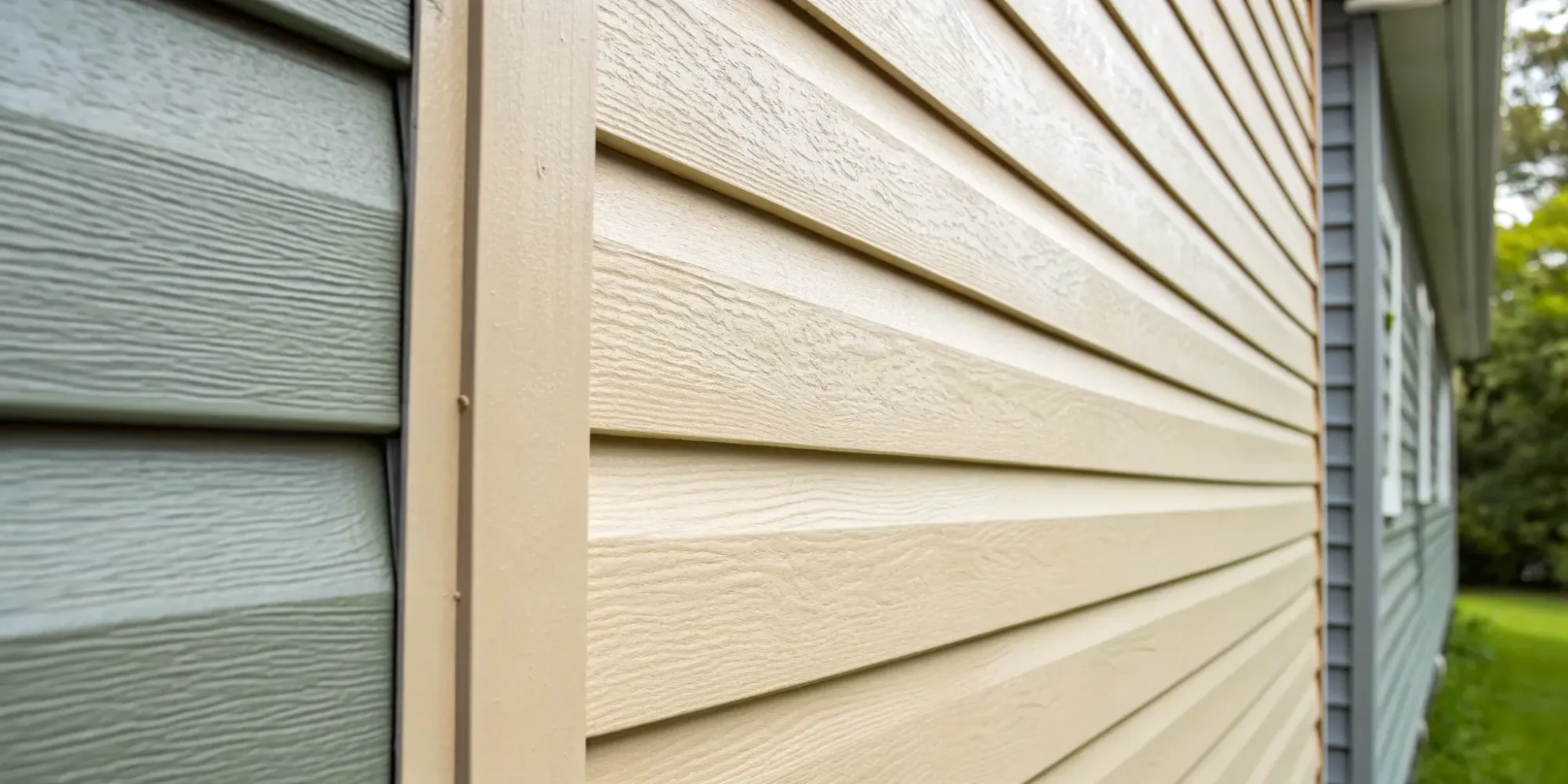
Many people love the timeless look of wood siding but dread the constant maintenance. This is where fiber cement truly shines. It can be manufactured with a deep, realistic wood grain texture that looks remarkably like the real thing, from clapboard to board-and-batten styles. You get that classic, warm appearance without worrying about rot, pests, or the endless cycle of scraping and repainting. While some high-end vinyl products offer a wood-grain texture, it often looks more superficial and less convincing up close. Fiber cement gives you an authentic wood appearance with far greater strength and longevity.
Meeting Building Codes and Insurance Rules
Choosing your home’s siding goes far beyond curb appeal, especially if you live in an area prone to extreme weather or wildfires. The materials you select are a critical part of your home’s defense system, and they have a major impact on your ability to meet local building codes and secure affordable insurance. For many homeowners, this is where the decision between fiber cement and vinyl becomes crystal clear.
Navigating these requirements can feel overwhelming, but understanding the basics will give you confidence in your choice. Local ordinances and insurance policies are designed to reduce risk, and your siding is one of the first things they evaluate. A material that resists fire, withstands impact, and holds up to the elements isn’t just a smart investment in your home’s longevity—it’s a key factor in its safety and financial standing. Let’s break down how fiber cement and vinyl stack up when it comes to compliance and insurability.
Fire Ratings and Code Compliance
When it comes to fire, there’s no room for ambiguity. Building codes use specific classifications to rate how a material reacts to flames, and this is where fiber cement has a significant advantage. Fiber cement siding is non-combustible, meaning it will not ignite when exposed to a direct flame or intense heat. This quality helps it meet stringent fire safety codes that are often required in high-risk areas. Vinyl siding, on the other hand, is made of plastic (PVC) and will melt or burn when exposed to a significant heat source, which can be a major issue for code compliance in many communities.
Siding Rules for Wildfire-Prone Areas
If you live in a wildfire-prone region, your siding choice may already be made for you. Many communities, particularly those in the Wildland-Urban Interface (WUI), have building codes that mandate the use of non-combustible materials for exterior walls. These rules are in place to protect your home and your neighborhood by reducing the risk of fire spreading from one structure to another. In these situations, fiber cement is often a required material for new construction and renovations, while vinyl siding simply won’t meet the standard. Always check your local building codes before making a final decision.
Earning a Better Insurance Rate
Insurance companies assess risk to set their premiums, and a home built with resilient materials is considered a safer bet. Because fiber cement is non-combustible and highly resistant to damage from hail and wind-blown debris, insurers often view it more favorably than vinyl. This can translate directly into savings on your homeowner's insurance policy. While fiber cement may have a higher upfront cost, the potential for lower insurance premiums year after year can help offset that initial investment, making it a financially sound choice for the long term.
Making the Right Choice for Your Home
Choosing your home’s siding comes down to balancing your budget, long-term goals, and personal priorities. Both fiber cement and vinyl have their place, but one is likely a better fit for your specific project. Think about what matters most to you—is it upfront cost, long-term durability, fire resistance, or environmental impact? Answering that question will point you in the right direction. Here’s a straightforward breakdown to help you decide.
When to Choose Fiber Cement
If you’re looking for a durable, long-term investment, fiber cement is hard to beat. It’s an excellent choice for homeowners in high-risk areas because it resists fire, holds up against harsh weather, and requires very little upkeep. While it costs more initially, fiber cement often adds more value to a home and can last for more than 50 years, with many manufacturers offering 30-year warranties. If your priority is building a resilient home that will stand the test of time and look great doing it, fiber cement is the clear winner. It’s the kind of material you install once and don’t have to think about again for decades.
When Vinyl Is the Right Call
Let’s be real: budget is a major factor in any construction project. If keeping upfront costs down is your top priority, vinyl siding is the right call. It’s significantly less expensive than fiber cement and is also lighter and easier to install, which helps reduce labor costs. Vinyl is the go-to for homeowners who value affordability and ease of maintenance above all else. While it may not have the premium look or extreme durability of fiber cement, modern vinyl siding is a reliable, practical product that gets the job done without breaking the bank. It’s a smart, functional choice for many homes.
Considering the Environmental Impact
Your home’s siding has an environmental footprint, and the difference between fiber cement and vinyl is significant. Fiber cement is widely considered the more eco-friendly option. It’s made from simple, recyclable materials like cement, sand, and wood pulp. On the other hand, vinyl is a plastic product derived from petroleum. Its manufacturing process can release harmful chemicals and greenhouse gases, and because it’s plastic, it doesn’t biodegrade at the end of its life. If building a sustainable home is important to you, fiber cement is the more responsible choice for the planet.
Related Articles
- 4 Best Fire-Resistant Siding Options
- Is Smart Siding Fire Resistant? A Complete Guide
- Best Fire Resistant Siding: A Buyer's Guide
Frequently Asked Questions
Is fiber cement really worth the higher upfront cost? It’s true that fiber cement has a higher initial price tag, but it’s helpful to think of it as a long-term investment in your home’s protection. Because it’s so durable and can last 50 years or more, you likely won’t ever have to replace it. This saves you the cost and headache of a future siding project. When you also consider its positive impact on your home's resale value and the potential for lower insurance premiums, the initial expense often makes great financial sense over time.
Will choosing fiber cement siding actually lower my home insurance? While every policy is different, many homeowners do see a reduction in their insurance premiums after installing fiber cement siding. Insurance companies calculate your rates based on risk, and a home with non-combustible, impact-resistant siding is simply less risky to insure. Materials that stand up to fire, hail, and wind-blown debris can directly translate into savings, especially if you live in an area prone to severe weather.
Which siding is the safest choice for a home in a wildfire-prone area? When it comes to fire safety, there is no comparison: fiber cement is the superior choice. It is a non-combustible material, which means it will not ignite or burn when exposed to direct flame. Vinyl siding, being a plastic product, will melt and can contribute to the spread of a fire. In many high-risk regions and Wildland-Urban Interface zones, building codes actually mandate the use of non-combustible siding, making fiber cement a required material for safety and compliance.
How much maintenance does fiber cement siding actually require? Fiber cement is surprisingly low-maintenance. Its upkeep is similar to that of any painted exterior surface. You’ll want to give it a gentle wash once a year to remove any dirt or grime. Depending on your climate and the quality of the paint, you can expect to repaint it every 10 to 20 years to keep it looking fresh. This simple routine is all it takes to ensure the siding protects your home effectively for decades.
Can I still get a modern or traditional wood look with fiber cement? Absolutely. One of the best things about fiber cement is its design versatility. It can be manufactured to convincingly mimic the appearance of other materials, including the warm, classic look of wood clapboard, shingles, or board-and-batten. It also comes in smooth, sleek panels perfect for a modern aesthetic. You get the style you want without the constant maintenance, rot, or pest issues that come with real wood.