Your Fireproof Building Materials List for a Safer Home
January 20, 2026 · 17 min read
Let’s start by clearing up a common misconception: no building material is truly "fireproof." Given enough heat and time, anything can fail. But don't let that discourage you. The goal isn't invincibility; it's resilience. The construction industry focuses on fire resistance—a material's ability to withstand flames and slow down heat transfer for a specific amount of time. This is where your power lies. By understanding this key difference, you can make strategic choices that genuinely protect your home. This article will demystify the ratings and provide a detailed fireproof building materials list to guide you toward the most effective options available.
Key Takeaways
- Understand Fire Ratings to Buy More Time: Forget the myth of "fireproof" materials. Instead, learn to read fire-resistance ratings (like "1-hour" or "2-hour") to choose materials that are proven to slow a fire's spread and give your family crucial time to get to safety.
- Harden Your Home from the Outside In: Wildfires attack a home's exterior first. Make strategic investments by prioritizing Class A-rated roofing, non-combustible siding, and dual-pane tempered glass windows to create a resilient first line of defense against embers and radiant heat.
- Combine Materials with a Complete Safety Plan: Fire-resistant materials work best as part of a larger strategy. Integrate them with active systems like sprinklers, smart design choices like defensible space, and an expert plan review to ensure your home is safe, compliant, and insurable.
What Makes a Building Material Fire-Resistant?
When you're building or renovating, especially in an area at risk for wildfires, the materials you choose are your first line of defense. Fire-resistant building materials are specifically engineered to handle high temperatures and, most importantly, to slow down the spread of flames. Think of them as a critical safety feature built right into the structure of your home. These materials work by being non-combustible or by having properties that make them difficult to ignite. For example, materials like concrete and steel don't burn, while others like treated wood or special gypsum board are designed to char on the surface, creating a protective layer that insulates the material underneath from the heat.
While you might hear the term "fireproof," the reality is that no material can withstand fire forever. Instead, the goal is to use materials that are significantly safer and more resilient than others. This distinction is key to making informed decisions that protect your property and, more importantly, the people inside. Choosing materials that resist ignition and combustion gives you a powerful advantage when every second counts. It’s not just about preventing a fire from starting; it’s also about containing it if it does, limiting the damage and creating a safer environment for everyone.
Fire-Resistant vs. Fireproof: What's the Difference?
It’s easy to use "fire-resistant" and "fireproof" interchangeably, but they mean very different things. Let’s clear this up: nothing is truly 100% fireproof. The term is a bit of a misnomer because, given enough time and heat, any material will eventually fail. A better way to think about it is in terms of resistance. Fire-resistant materials are designed to withstand fire for a specific amount of time, slowing down the combustion process. This built-in delay is what gives you and your family precious time to get to safety.
How These Materials Protect Your Home
The main job of a fire-resistant material is to buy you time. By slowing the spread of a fire, these materials can be the difference between a small, contained incident and a total loss. This delay gives your family the critical window needed to evacuate safely and allows firefighters to arrive and manage the situation. Materials are tested and assigned a fire rating, which tells you how long they can hold up against flames. For example, a "one-hour fire rating" means a wall or door can prevent fire from passing through it for at least 60 minutes. Choosing materials with higher ratings is a smart investment in the long-term safety of your home.
Your Guide to the Best Fire-Resistant Building Materials
When you’re building or renovating a home, especially in an area prone to wildfires, the materials you choose are your first line of defense. Think of them as the foundation of your home’s safety plan. While no material can make a home completely "fireproof," selecting the right ones can dramatically slow a fire’s spread, protect the structural integrity of your house, and give you and your family precious time to get to safety. It’s about building a more resilient structure that can withstand extreme heat and resist ignition from flying embers.
The goal is to create layers of protection, starting from the outside in. Your roof, siding, and windows are the most vulnerable points, but the materials inside your walls and on your floors matter, too. This guide walks you through some of the most effective fire-resistant building materials available. We’ll cover everything from concrete and steel to the drywall and insulation hidden behind your walls. Understanding how these materials work and where to use them will help you make informed decisions, meet local building codes, and build a home that’s not just beautiful, but fundamentally safer.
Concrete and Masonry
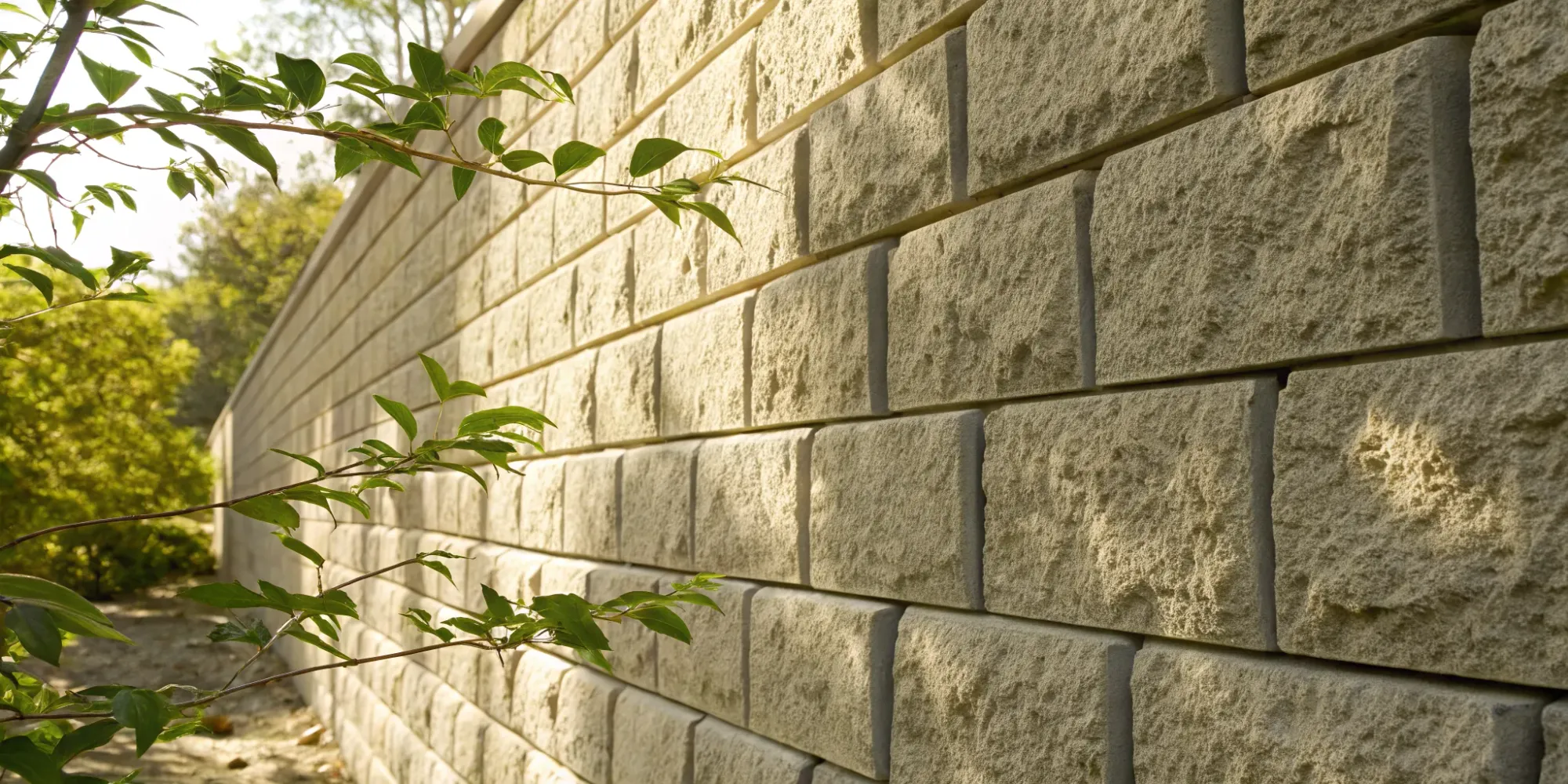
When it comes to standing up to fire, concrete and brick are heavyweights. These materials are non-combustible, meaning they simply don’t burn. Instead of fueling a fire, they act as a formidable barrier, slowing the transfer of heat from one area to another. That’s why they’re so often used for foundations and walls. A well-constructed brick wall can achieve a fire-resistance rating of one to four hours, depending on its thickness and how it’s built. This gives you a solid, reliable shield against flames. Using concrete for walls, floors, and even roofs creates a strong, continuous barrier that is one of the top choices for fire-resistant construction.
Steel and Other Metals
Steel framing is another excellent non-combustible option for your home’s structure. Unlike wood, it won’t catch fire and contribute to the blaze. However, it’s important to understand how steel behaves under extreme heat. While it won’t burn, intense temperatures can cause it to lose its strength and bend—it starts to weaken above 600°C and melts around 1400°C. To counter this, steel components can be protected with flame-retardant coatings or encased in other fire-resistant materials, like gypsum board. This combination allows you to get the strength and durability of steel while ensuring it holds up when temperatures soar, keeping your home standing strong.
Gypsum and Drywall
You might not think of drywall as a high-tech safety material, but it’s one of the most important components of your home’s interior fire defense. Gypsum board, the technical name for drywall, has a core made of gypsum rock that contains chemically bound water. When exposed to fire, this water is released as steam. This process actively cools the surface and slows the transfer of heat through the wall, protecting the structural framing behind it. Using thicker, Type X drywall can increase the fire rating of a wall assembly from 30 minutes to an hour or more, providing a critical buffer that helps contain a fire to a single room.
Fire-Rated Insulation
Insulation is essential for energy efficiency, but it can also play a key role in fire safety. Fire-resistant insulation materials like mineral wool and glass wool are designed to withstand incredibly high temperatures without burning. Glass wool, for instance, can handle heat up to 1,220°C. These materials are great for filling wall cavities, attics, and floors because they slow the spread of fire through these hidden spaces. Even cellulose insulation, which is made from recycled paper, can be treated with non-toxic fire retardants to make it a safe and effective option. Choosing the right fire-rated insulation adds another layer of unseen protection to your home.
Resilient Roofing Materials
Your roof is one of the most vulnerable parts of your home during a wildfire, as it’s a prime target for falling embers. That’s why selecting a roofing material with a high fire rating is so important. Materials are rated Class A, B, or C, with Class A offering the highest level of protection. Options like metal, slate, and clay tiles are naturally fire-resistant. Additionally, modern synthetic roofing materials, like composite shakes, are engineered to achieve a Class A fire rating while mimicking the look of traditional materials like wood. These products not only resist catching fire but also prevent flames from spreading, making your roof a strong shield for the rest of your home.
Protective Coatings and Treatments
Even materials that are naturally combustible, like wood, can be made more fire-resistant. This is where protective coatings and treatments come in. Intumescent paints are a fantastic example; when exposed to heat, they swell up to create a thick, insulating layer of char that shields the wood underneath. There are also fire-retardant sprays and treatments that can be applied to raw wood used for framing, decks, and siding. These treatments work by chemically interfering with the combustion process, making the wood much harder to ignite and slowing the spread of flames if it does catch fire. They’re a great way to add protection to vulnerable areas of your home.
How to Read Fire-Resistance Ratings
When you start looking at building materials, you’ll notice labels with ratings and acronyms that can feel a bit like alphabet soup. These are fire-resistance ratings, and they’re one of the most important factors in choosing the right materials for your home, especially if you're building in an area prone to wildfires. Think of them as a performance score that tells you exactly how a material or an entire assembly—like a wall or roof—holds up under intense heat. Understanding these ratings is the key to making informed decisions that protect your property and, more importantly, your family. It’s not about memorizing codes; it’s about knowing what to look for so you can confidently select products that meet your safety goals. These ratings are also critical for meeting local building codes and can even influence your ability to get home insurance. Insurers want to see that you've taken proactive steps to reduce risk, and choosing materials with solid fire ratings is a huge part of that. Let’s break down what these ratings actually mean so you can read them like a pro.
A Quick Guide to Fire Rating Systems (ASTM, UL, NFPA)
You’ll often see names like ASTM, UL, and NFPA associated with fire ratings. These are the key organizations that set the standards. ASTM (American Society for Testing and Materials), UL (Underwriters Laboratories), and NFPA (National Fire Protection Association) are independent bodies that develop and conduct standardized testing methods to see how building materials perform in a fire. They expose materials to controlled fire and heat to measure how long they last before failing. While each has its own specific protocols, their shared goal is to provide a clear, reliable system for classifying fire resistance. When you see their mark on a product, it means the material has been rigorously tested against established safety benchmarks.
What the Ratings Mean for Your Home's Safety
So, what do the numbers next to the acronyms mean? Fire-resistance ratings are typically given in units of time—usually hours. For example, a wall assembly with a "one-hour fire rating" is designed to withstand a fire for at least one hour before it loses its structural integrity or allows flames to pass through. This rating is crucial because it directly translates to the amount of time you and your family have to escape safely in an emergency. These ratings help you choose materials that can provide adequate protection and slow a fire’s spread, giving firefighters more time to arrive and potentially saving your home from total loss.
The Real Benefits of Using Fire-Resistant Materials
Choosing the right building materials is about more than just aesthetics—it’s a foundational part of your home’s safety. When you live in a wildfire-prone area, every decision matters. Using fire-resistant materials isn't just about meeting code; it's about creating a resilient home that actively works to protect you. The benefits extend beyond the structure itself, touching on your family’s safety, your finances, and your peace of mind. By making informed choices before you build, you’re investing in a stronger future. Let’s look at the tangible advantages.
Protect Your Home and Family
The most important benefit of using fire-resistant materials is the time they give you during an emergency. These materials are designed to slow a fire's spread, not stop it completely. That delay is critical. It provides the precious minutes needed for everyone to evacuate safely and for first responders to arrive. A fire that moves slowly is less likely to trap people inside. By constructing your home with materials that resist ignition, you create a more defensible space that stands a better chance of surviving a fire event.
Lower Your Insurance Premiums
Building a safer home is also good for your wallet. Insurance companies assess risk, and a home built with fire-resistant materials is considered a lower risk to insure. Because of this, many insurers offer significant discounts on homeowner’s insurance for properties using materials like fiber-cement siding or metal roofing. Documenting these features in your building plans can help you secure a better rate from the start. It’s a practical, financial incentive for making choices that already contribute to your home’s resilience and safety.
Gain Peace of Mind for the Long Term
Living with the constant threat of wildfire is stressful. Taking proactive steps to harden your home against this risk can provide a profound sense of security. Knowing you’ve used the best available materials to protect your home and the memories inside it helps alleviate that worry. This peace of mind comes from understanding that you’ve done everything you can to create a safer environment. A comprehensive fire safety strategy is about more than just the structure; it’s about feeling secure in the place you call home, season after season.
How to Prioritize Materials for Maximum Protection
Building a fire-resistant home doesn't mean you have to use the most expensive materials for every single component. It’s about making strategic choices where they matter most. By focusing your budget and attention on the most vulnerable parts of your home, you can create a strong defense without breaking the bank. Think of it as a layered approach—some areas need heavy armor, while others can be protected with smart, cost-effective solutions.
The key is to balance protection, cost, and compliance. You want materials that will stand up to high heat and slow a fire’s spread, but they also need to fit your budget and meet local requirements. It can feel like a lot to juggle, but breaking it down makes the process much more manageable. Start by identifying the critical areas of your home’s exterior, then explore budget-friendly materials that still offer excellent protection. Finally, make sure every choice aligns with local building codes and your insurance policy to ensure your home is safe, compliant, and insurable.
Focus on These Critical Areas First
Your home's first line of defense against wildfire is its exterior, often called the "home ignition zone." Embers can travel for miles and are the leading cause of homes catching fire during a wildfire. Prioritize materials for your roof, siding, and windows, as these are the most exposed surfaces. A Class A fire-rated roof made of metal, slate, or asphalt shingles is a non-negotiable starting point. For siding, choose non-combustible options like fiber cement or stucco. Finally, dual-pane tempered glass windows are far more resistant to heat than single-pane versions and can prevent fire from entering your home through a shattered window.
Find Budget-Friendly Options That Work
You don’t always have to choose the most expensive material to get great fire resistance. While stone and brick are top-tier choices, they come with a high price tag. Materials like fiber cement siding offer excellent fire protection at a fraction of the cost and are easier to install. Similarly, treated wood products can provide improved fire resistance over untreated lumber. When you select building materials, consider the full picture: the material cost, installation labor, and long-term maintenance. A smart investment upfront in a durable, fire-resistant material can save you money and stress down the road.
Check Your Local Building Codes and Insurance Rules
Your material choices aren't made in a vacuum. They must comply with local building codes and satisfy your insurance carrier's requirements. These regulations are in place for your safety and often dictate the minimum fire-resistance ratings for materials in your area, especially in high-risk zones. Before you finalize any decisions, consult your local building department and speak with your insurance agent. Organizations like the National Fire Protection Association (NFPA) provide standards that often inform these codes. Ensuring your plans meet these rules from the start prevents costly delays and confirms your home will be insurable once it's built.
Common Myths About "Fireproof" Materials
When we talk about building a home that can stand up to fire, the word "fireproof" gets thrown around a lot. It sounds reassuring, but it can also be misleading. The truth is, building for fire safety is less about finding an invincible material and more about understanding how different materials perform under pressure. Let's clear up a few common myths so you can make smarter, safer choices for your home.
Myth #1: Any Material Can Be Truly "Fireproof"
Let's get this one out of the way first: nothing is truly 100% fireproof. It’s a tough reality, but even the most robust materials like concrete or steel will eventually fail if the heat is intense enough for long enough. Instead of searching for a "fireproof" unicorn, the construction industry focuses on fire resistance. This shift in thinking is key. A fire-resistant material is designed to withstand fire and limit its spread for a specific period. This gives you and your family precious time to get to safety and for first responders to arrive. So, when you're planning your build, think "resistance," not "invincibility."
Know the Limits: How Long Materials Resist Fire
So, if materials aren't fireproof, how do we measure their effectiveness? It all comes down to time. Fire-resistant materials and building assemblies (like a wall or a door) are tested and given a rating based on how long they can hold up against flames and heat. You’ll see these expressed as 1-hour, 2-hour, or even 4-hour ratings. This number tells you the minimum time that assembly can contain a fire before it fails. Understanding these fire-resistance ratings is crucial because it helps you, your architect, and your builder design a home where a fire can be compartmentalized, slowing its spread from one area to another.
Why Materials Alone Aren't a Complete Solution
Choosing fire-resistant materials is a huge step, but it's not the final one. A home's structure is only part of the equation. Think about everything inside your house—furniture, curtains, books, and clothes. These contents can act as fuel, creating incredibly high temperatures that can overwhelm even the best materials. The primary goal of a fire-safe design is to slow a fire down, giving everyone time to escape. This is why a holistic fire safety strategy is so important. It combines smart material choices with other critical elements like creating defensible space around your property, installing smoke alarms and sprinkler systems, and ensuring your building plans meet all local codes for your specific risk area.
How to Build a Complete Fire Safety Strategy
Choosing the right materials is a huge step, but it’s only one part of a truly effective fire safety plan. A resilient home is built with a layered strategy that combines strong materials with smart design and the right safety systems. Think of it as a complete defense plan rather than just a single shield. Relying solely on fire-resistant siding or roofing can create a false sense of security. A wildfire, for example, doesn't just attack the exterior; embers can enter through vents, and radiant heat can ignite nearby objects or even penetrate windows. This is why a holistic approach is so critical.
This comprehensive strategy considers how a fire might start, how it could spread, and how you and your family can get out safely. It involves collaborating with professionals who understand your local risks, integrating systems that actively fight fire, and designing your home’s layout to contain and slow a fire’s progress. By bringing these elements together, you build a home that’s not only safer but also more likely to meet stringent insurance requirements, giving you confidence from the ground up. It’s about creating a system where every component—from the drywall to the smoke detectors to the landscaping—works together to protect what matters most.
Partner with Experts on Code and Compliance
You don’t have to become a fire code expert overnight. The best first step is to build a team you can trust. As fire safety professionals often advise, you should always work with experienced builders and architects to choose the best materials and designs for your home. These experts are familiar with local building codes, which can be incredibly specific and complex, especially in wildfire-prone areas. They can help you make sense of the requirements and ensure your plans are compliant from the start. An expert review can catch potential issues before construction begins, saving you from costly changes and delays down the road.
Add Fire Safety Systems to Your Plan
While fire-resistant materials provide passive protection, active fire safety systems are your first line of defense. The primary goal of these systems is to slow down a fire, giving everyone enough time to escape and for firefighters to arrive. Modern smoke detectors, fire alarms, and residential sprinkler systems are essential components of a safe home. Sprinklers, in particular, can contain or even extinguish a fire before it has a chance to grow, dramatically reducing property damage. Integrating these systems into your building plans is a critical step that protects both your family and your investment, and it can often lead to lower home insurance premiums.
Use Smart Design to Improve Protection
The way your home is designed can significantly influence how it performs in a fire. One powerful architectural technique is compartmentation, which involves splitting a building into smaller, fire-contained sections using fire-rated walls, floors, and doors. This strategy stops a fire from spreading quickly from one room to another, buying you precious time. Smart design also extends to the outside of your home. Creating defensible space by clearing flammable vegetation away from your house and using non-combustible landscaping materials can prevent an exterior fire from ever reaching your structure. These thoughtful design choices work together with your materials and safety systems to create a truly resilient home.
Related Articles
Frequently Asked Questions
Are fire-resistant materials significantly more expensive than standard options? Not always. While some high-end materials like stone or steel framing have a higher upfront cost, many excellent fire-resistant options are quite competitive. For example, fiber cement siding offers incredible protection at a price point comparable to other common siding choices. Think of it as an investment in your home's long-term resilience. The cost difference can often be offset by lower insurance premiums and the profound value of building a safer home from the start.
If I use all the right materials, is my home guaranteed to be safe from a fire? No home is completely fireproof, and there are no guarantees. The goal of using fire-resistant materials is to dramatically improve your home's chances of survival and, most importantly, to buy you and your family critical time to evacuate safely. These materials are designed to slow the spread of flames and resist ignition from embers, which can be the difference between a manageable incident and a total loss. They are a crucial part of a larger safety strategy, but not an invincible shield.
I'm renovating on a budget. What are the most important upgrades to make first? If you have to prioritize, focus on your home's most vulnerable areas first. Start with the roof, as it's the most likely place for embers to land during a wildfire. Upgrading to a Class A-rated material like metal, slate, or composite shingles is the single most effective change you can make. After the roof, turn your attention to siding and windows, as these are other key points where fire can enter your home.
Will using these materials make my house look like a concrete bunker? Absolutely not! The building industry has made incredible strides in creating materials that are both safe and beautiful. You can find fiber cement siding that looks exactly like traditional wood clapboard, composite roofing that mimics the look of cedar shakes, and stylish dual-pane windows. You don't have to sacrifice your home's design to make it safer. You can achieve almost any architectural style you want using resilient, fire-rated products.
Besides choosing the right materials, what's the single most important thing I can do to protect my home? Create and maintain defensible space. This is the buffer zone you create between your home and the surrounding landscape. It involves clearing away flammable vegetation, dead leaves, and other combustible materials within at least 30 feet of your house. Embers are a primary cause of home ignition during a wildfire, and by giving them nothing to burn near your home, you drastically reduce the risk of your structure catching fire in the first place.