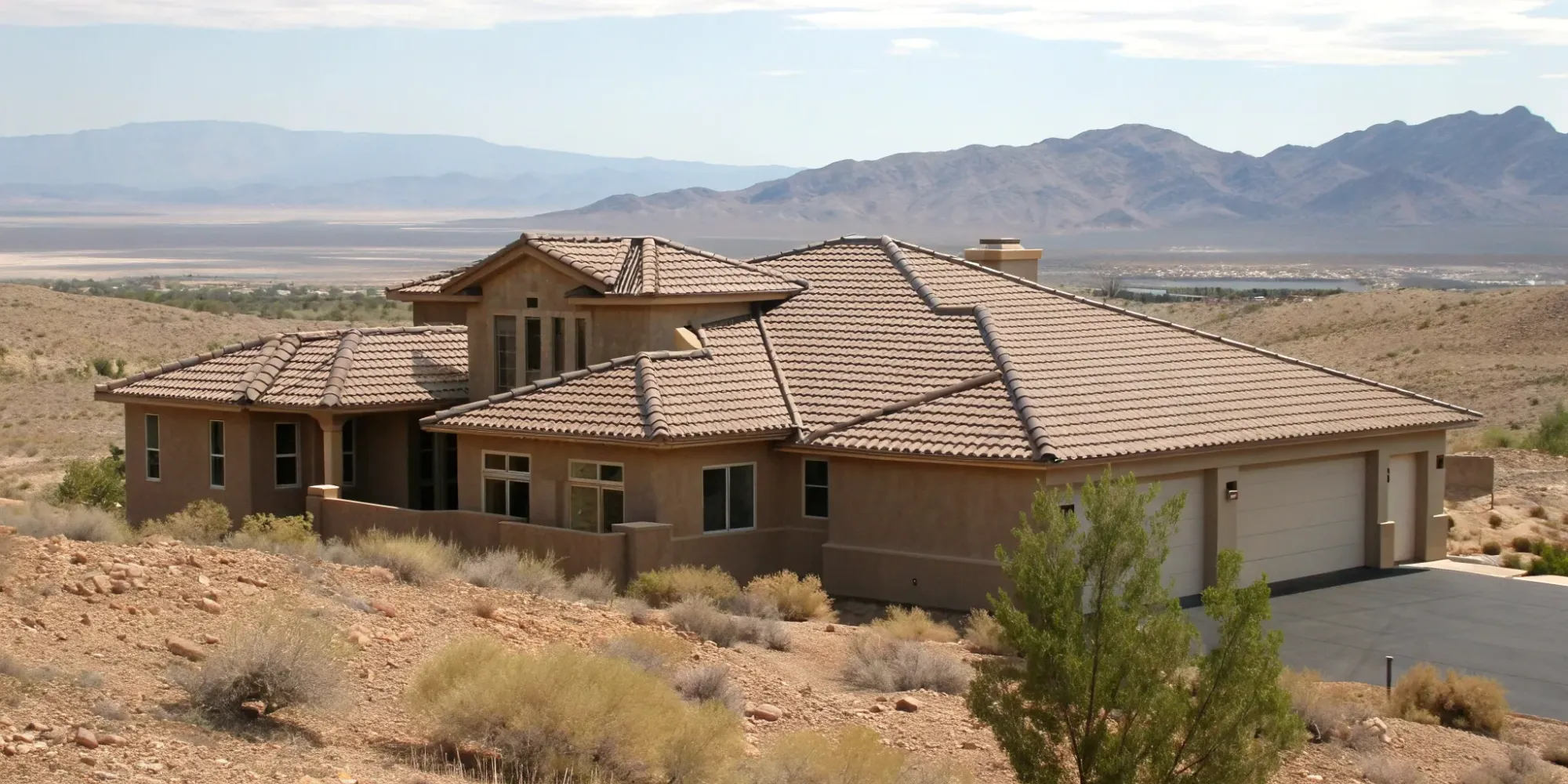
A Guide to Nevada Class A Roofing for New Homes
November 6, 2025 · 22 min read
Building a home is about creating a safe place for your family to thrive. But in a region where wildfire is a real and constant threat, that sense of security depends on the materials you choose. Your roof is the most vulnerable part of your home, acting as a wide-open target for wind-blown embers. This is why your roofing choice is so personal. Selecting a material with a Class A fire rating provides the highest level of protection available, giving you confidence that your home is built to withstand the worst. Investing in Nevada class A roofing for new homes is about building more than a house; it’s about building a sanctuary.
Key Takeaways
- Prioritize a Class A Fire Rating: This is the single most important factor for a roof in Nevada. It provides the highest level of protection against wildfire and is essential for meeting building codes and securing the best home insurance rates.
- Select Materials That Withstand the Elements: Your roof needs to handle intense sun, high winds, and extreme temperature shifts. Investing in durable materials like metal, tile, or high-grade composites ensures a longer lifespan and better long-term value.
- Insist on Proven Installation Expertise: The best materials will fail if installed incorrectly. Protect your investment by hiring a licensed, insured contractor with specific experience installing Class A roofing systems to guarantee performance and validate warranties.
What Is Class A Roofing and Why Does It Matter in Nevada?
When you're building a home in Nevada, every material choice matters, but your roof is your first line of defense against the elements. That’s where Class A roofing comes in. Simply put, it’s the highest rating a roofing material can get for fire resistance. In a state where wildfire risk is a serious concern, choosing a Class A roof isn’t just a good idea—it’s a critical step in protecting your investment and ensuring your family’s safety.
This rating isn’t just about withstanding a direct flame; it’s about resisting ignition from embers that can travel for miles and land on your roof. Beyond safety, your roofing choice has a major impact on your home’s insurability, its compliance with local building codes, and its long-term durability against Nevada’s harsh climate. Let’s break down what this rating means and why it’s so important for your project.
Understanding Fire Resistance Ratings
Roofing materials are tested and sorted into different classes—A, B, C, or unrated—based on how well they hold up against fire. A Class A rating signifies the best possible performance. These materials are effective against severe fire exposure and are designed not to catch fire, spread flames, or allow fire to penetrate the roof deck.
Think of it this way: during a wildfire, hot embers can be carried by the wind and land on rooftops, where they can smolder for hours. A Class A material, like metal, slate, or tile, is built to resist ignition in exactly this scenario. This gives you the highest level of protection available and is the standard you should aim for when building in a high-risk area.
Why Wildfire Risk Is High in Nevada
Nevada's dry climate and vast open spaces make it particularly vulnerable to wildfires. For homeowners, this means taking proactive steps to create a defensible space and build with fire-resistant materials is essential. Because your roof is the most exposed surface of your home, it’s the most likely place for an ember to land and ignite.
That’s why experts strongly recommend using Class A roofing materials in any area where wildfires are a known risk. It’s a fundamental part of building a more resilient home that can better withstand the threat of a nearby fire. By choosing a Class A roof, you’re not just following a recommendation; you’re making a practical decision to harden your home against a very real local danger.
Meeting Local Building Codes
Your choice of roofing material has a direct impact on your ability to get proper home insurance and comply with local building codes. Insurers evaluate many roof factors, including its material, age, and condition, when determining your rates and even your eligibility for coverage. A home with a Class A roof is seen as a lower risk, which can often lead to more favorable premiums.
Furthermore, many jurisdictions in Nevada and other high-risk states have building codes that mandate the use of fire-resistant roofing. Using a Class A material helps ensure your project is compliant from the start, avoiding costly delays or rework. It’s a smart move that satisfies safety standards, code requirements, and your insurance carrier’s expectations all at once.
What Are the Best Class A Roofing Materials for Nevada Homes?
When you’re building a home in Nevada, your roof is your first line of defense against wildfire. Choosing a Class A roofing material isn't just about meeting code; it's about peace of mind. A Class A rating is the highest fire-resistance rating available, meaning the material can withstand severe fire exposure and resist ignition from flying embers. Fortunately, you don’t have to sacrifice style for safety. Let’s walk through some of the most popular and effective choices for Nevada homes.
Durable Metal Roofing
Metal roofing is a fantastic choice for fire-prone regions because it’s non-combustible. Materials like steel and aluminum won’t ignite, even when hit with hot embers. Beyond its top-tier fire safety, metal is incredibly durable, lasting 50 years or more with minimal maintenance. It stands up to high winds and reflects solar heat, which can help lower cooling costs during hot Nevada summers. While the initial investment is higher, the longevity and resilience of metal roofing make it a smart long-term choice.
Classic Tile and Slate
If you love a traditional look, tile and slate are excellent Class A options. Made from clay, concrete, or stone, these materials are inherently fireproof and offer a timeless aesthetic. They are exceptionally durable, often lasting for a century or more. A key consideration is their weight, so your home’s structure must be engineered to support the load. Modern composites now offer the classic look of slate or tile in a lighter package while still providing that crucial Class A fire resistance, giving you more design flexibility.
Modern Asphalt and Fiber-Cement
Asphalt shingles offer a great balance of performance, affordability, and style. While not all are created equal, many product lines carry a Class A fire rating. For the best protection, look for shingles specifically rated as Class A and consider pairing them with a fire-resistant underlayment for an extra layer of defense. Fiber-cement is another versatile, fire-resistant option that can be molded to look like wood shakes or slate. Both materials provide a reliable and budget-friendly path to a safe and compliant roof.
What Are the Benefits of a Class A Roof?
Choosing a roof for your new home is a big decision, and it goes far beyond curb appeal. In a state like Nevada, where wildfire risk is a real concern, your roofing material is one of the most important choices you'll make for your family's safety and your financial well-being. Opting for a Class A roof isn't just about meeting code; it's about investing in peace of mind. These top-rated materials provide the highest level of fire resistance, but the advantages don't stop there.
A Class A roof is a smart, multifaceted investment that pays off for years to come. It can help you save money every month on your energy bills by keeping your home cooler in the summer and warmer in the winter. It can also lead to significant savings on your homeowners insurance, as providers often reward homeowners for reducing their property's risk. And when it comes time to sell, a durable, fire-resistant roof is a powerful selling point that can directly increase your property value. Let’s break down exactly what makes a Class A roof such a valuable addition to your home.
Superior Fire Protection
The most critical benefit of a Class A roof is its ability to protect your home from fire. These materials are engineered to withstand severe fire exposure, meaning they won't easily ignite when hit with flying embers from a nearby wildfire. Materials like metal, tile, and modern composite shingles are designed to resist catching fire and can prevent flames from spreading to the rest of your home. This feature is non-negotiable in wildfire-prone areas, as it provides a crucial layer of defense that can make all the difference during an emergency. Investing in Class A roofing materials gives your home its best chance of survival when every second counts.
Better Energy Efficiency
A high-quality roof does more than just protect you from the elements—it can also help manage your energy costs. A well-installed Class A roof contributes to a more stable indoor temperature, reducing the strain on your heating and cooling systems throughout the year. This means you can stay comfortable without constantly adjusting the thermostat, leading to lower monthly utility bills. Think of it as an investment that starts paying you back immediately. By choosing durable materials and ensuring skilled installation, you’re not just building a safer home, but a more efficient and affordable one, too.
Lower Insurance Premiums
Insurance companies love to see homeowners take proactive steps to reduce risk, and installing a Class A roof is a big one. Because these roofs are proven to be more durable and fire-resistant, insurers often view homes with them as less of a liability. This can translate directly into lower homeowners insurance premiums. When your insurer calculates your rate, the type and condition of your roof are major factors. By choosing a Class A material, you’re demonstrating that your home is well-protected, which can help you secure better homeowners insurance premiums and save money year after year.
Higher Property Value
A new roof is a significant investment, and a Class A roof offers an excellent return. Homebuyers, especially in high-risk areas, are increasingly savvy about features that enhance safety and durability. A fire-resistant roof is a major selling point that can make your property stand out in a competitive market. It signals that the home is well-maintained and built to last, justifying a higher asking price. While the initial new roof cost can be substantial, the long-term value it adds to your property makes it a wise financial decision that strengthens your investment.
How Does Nevada's Climate Impact Your Roof?
If you're building a home in Nevada, you know the weather is anything but boring. From the scorching summer heat in the Mojave Desert to the cold, windy winters near the Sierra Nevada, your home needs to be a fortress. Your roof is the first line of defense against these elements, and the climate here puts it through a serious workout. The intense sun, dramatic temperature swings, and high winds all play a role in how well your roof performs and how long it lasts.
Choosing the right roofing material isn't just about curb appeal; it's a critical decision that affects your home's safety, energy bills, and even your insurance rates. A roof that can handle Nevada's unique climate challenges will protect your investment for decades, while the wrong one can lead to costly repairs and headaches. Let's break down exactly what your roof is up against and how you can choose materials that are up to the task.
Surviving Extreme Temperatures
Nevada is famous for its temperature extremes, with daily fluctuations that can be incredibly harsh on building materials. A roof can bake under 100-plus-degree heat during the day and then cool rapidly as temperatures plummet at night. This constant cycle of expansion and contraction, known as thermal shock, can cause materials like standard asphalt to crack, split, and degrade over time.
When selecting materials, think about how they’ll handle this stress. Clay and concrete tiles are excellent choices because they are dense and less prone to cracking under temperature swings. Metal roofing is also a durable option that expands and contracts predictably without damage. The age and material of your roof are major factors that influence homeowners insurance premiums, as insurers know that climate-appropriate materials are less likely to fail.
Standing Up to High Winds
From the Washoe Zephyr in the north to seasonal monsoons in the south, high winds are a fact of life in Nevada. Wind doesn't just push against your roof; it creates uplift pressure that can tear shingles right off, leaving your home vulnerable to water damage. Debris carried by strong winds can also cause significant impact damage. That’s why both the material and the quality of the installation are so important.
Insurance providers carefully evaluate roofs based on their ability to withstand local weather hazards. Look for materials with a high wind rating—Class F, G, or H are common ratings that indicate resistance to winds over 90 mph. Materials like interlocking metal panels, slate, and properly installed architectural shingles are designed to stay put. A professional installation is key, as even the best materials will fail if they aren't fastened correctly.
Resisting Sun and UV Damage
The relentless Nevada sun is more than just bright—it’s a powerful force that can break down your roof. Constant exposure to ultraviolet (UV) radiation can cause materials like wood and asphalt to become brittle and lose their protective qualities over time. This sun damage not only shortens your roof's lifespan but also increases your home's vulnerability to fire, a major concern in our dry climate.
This is where a Class A fire rating becomes essential. Class A materials are designed to resist ignition from flying embers, which can travel long distances during a wildfire. Thankfully, modern roofing technology means you don't have to sacrifice style for safety. You can find beautiful, fire-resistant options that mimic the look of natural wood or slate while providing top-tier protection. Choosing a UV-resistant and fire-rated roof is one of the smartest investments you can make for a home in Nevada.
How to Choose a Nevada Roofing Contractor
Selecting the right materials for your roof is only half the battle; finding a skilled contractor to install them is just as critical. The right professional ensures your Class A roof performs as it should, protecting your home from fire, wind, and extreme temperatures for decades. A poor installation, on the other hand, can lead to leaks, damage, and voided warranties, erasing all the benefits of your investment. When you’re building a home designed for resilience, you need a partner who understands the unique demands of Nevada’s climate and building codes. Taking the time to vet your options thoroughly will give you peace of mind that your home’s most important shield is in capable hands.
Check for Proper Licensing and Insurance
Before you even look at a portfolio, your first step should be to verify that any potential contractor is properly licensed and insured in Nevada. This is non-negotiable. A valid license from the Nevada State Contractors Board confirms they meet state standards, while proper insurance protects you from liability if a worker is injured on your property. Insurers also pay close attention to who installs your roof. As one industry expert notes, "insurance providers evaluate roofs based on several factors, including material type, installation quality, current condition, and age." A reputable, insured contractor is a key part of ensuring your home is insurable and that your roof investment is protected from the start.
Look for Class A Roofing Experience
Not all roofing contractors have experience with the specific materials and installation techniques required for Class A-rated systems. Given Nevada's high wildfire risk, you need someone who knows exactly how to work with metal, tile, or fire-resistant asphalt shingles to maximize their protective qualities. These specialized materials are designed to resist ignition even when hit with direct flames or smoldering embers. Ask potential contractors for a portfolio of their Class A roofing projects and for references from homeowners in your area. This will help you confirm they have the hands-on experience needed to install your roof correctly and ensure it meets fire safety standards.
Ask About Warranties and Guarantees
A confident contractor will always stand behind their work. When discussing your project, be sure to ask about both the manufacturer’s warranty, which covers the roofing materials themselves, and the contractor’s workmanship warranty, which covers the installation. A strong workmanship guarantee is a sign of quality and gives you recourse if issues like leaks or loose shingles appear down the road. Remember that investing in quality roofing materials and skilled labor will save you money on future repairs and add to your home’s value. Always get the warranty details in writing in your contract before any work begins.
How a Class A Roof Affects Your Home Insurance
Choosing a roof for your new home in Nevada is about more than just curb appeal—it’s a major financial decision that directly impacts your ability to get and afford homeowners insurance. Insurance companies are all about managing risk. When they see a home with a Class A fire-rated roof, they see a structure that is better protected against one of the biggest threats in the region: wildfires. This reduced risk can make your home much more attractive to insurers.
In high-risk areas, some insurance carriers may even require a Class A roof to offer you a policy at all. By investing in fire-resistant materials from the start, you’re not just protecting your home; you’re also improving its insurability. This can lead to more coverage options, better terms, and lower long-term costs. A WiserBuild plan review can help you confirm that your roofing choices align with what insurers are looking for, giving you confidence before you break ground.
Earning a Premium Discount
One of the most immediate financial benefits of installing a Class A roof is the potential for a lower homeowners insurance premium. Insurers often provide discounts for features that make a home safer and more resilient. Because a Class A roof is built with durable, fire-resistant materials, it significantly lowers the odds of a catastrophic claim. This makes your home a lower risk to insure, and that savings is often passed on to you.
When you get a quote, your insurance provider will ask about your roof’s age and material type. A newer roof made of materials like metal, slate, or tile will almost always result in a better rate than an older roof made of less durable materials. Be sure to tell your agent that you have a Class A-rated system and ask specifically about a hail or fire-resistant roofing discount.
How Materials Affect Coverage
Not all Class A roofs are created equal in the eyes of an insurer. While the Class A rating is the most important factor, the specific materials used also play a role in how your policy is priced and what it covers. Insurance providers evaluate roofs based on material type, installation quality, condition, and age. Materials like metal and tile are known for their exceptional durability against fire, wind, and hail, which insurers view very favorably.
High-quality asphalt shingles and fiber-cement can also earn a Class A rating and are excellent choices. The key is to ensure they are installed correctly by a qualified professional. A poorly installed roof, regardless of the material, can lead to problems and may even jeopardize your coverage. Documenting your material choice and professional installation can be a huge help if you ever need to file a claim.
Clearing Up Common Insurance Myths
It’s easy to assume that if you have a top-of-the-line Class A roof, any damage will automatically be covered by your insurance. Unfortunately, that’s a common misconception. While a resilient roof gives you a major advantage, every homeowners insurance policy has specific limitations and exclusions. For example, damage caused by gradual wear and tear, lack of maintenance, or certain events like floods or earthquakes typically isn't covered under a standard policy.
It’s crucial to read your policy documents carefully to understand exactly what is and isn’t covered. A Class A roof protects against fire and other perils, but it doesn’t make your policy all-inclusive. Knowing the details of your coverage helps you plan for proper maintenance and avoid surprises if you ever need to file a claim.
What Is the Cost of a Class A Roof in Nevada?
When you’re building a new home, the roof is one of the most significant investments you’ll make. The final price tag for a Class A roof in Nevada depends on several key factors, including the size and complexity of your roof, the materials you choose, and the labor costs in your area. It’s tempting to look for the lowest bid, but a roof is not the place to cut corners, especially in a state with such a demanding climate. A well-built, fire-resistant roof is your home’s first line of defense against the elements and a critical factor in its long-term safety and insurability.
Think of the total cost as two main puzzle pieces: materials and installation. Materials can account for a large portion of the budget, but labor is often the biggest variable. A steeper roof pitch or complex design with multiple gables and valleys will require more time and skill, increasing labor expenses. Other costs, like building permits and the contractor’s insurance, are also built into the final quote. Understanding how these elements come together will help you evaluate bids and make a smart, long-term decision for your home’s safety and durability.
Comparing Material Costs
The materials you select will make up a significant part of your roofing budget, typically around 30% to 40% of the total cost. Class A-rated materials like metal, slate, and clay tile have a higher upfront price than standard asphalt shingles, but they offer superior fire resistance and a much longer lifespan. When you’re choosing a roofing material, consider both the initial expense and the long-term performance. For example, while a standing-seam metal roof might cost more initially, its durability and low maintenance needs can make it more cost-effective over the decades you’ll live in your home.
Factoring in Labor and Installation
Labor is often the single largest expense in a roofing project. The cost reflects not only the installers’ time and skill but also other essential business operations. Your contractor’s quote includes wages for their crew, but it also covers critical overhead like general liability insurance, which protects you and your property during the build. Other factors that influence the cost include the complexity of the job, the need for specialized equipment, and securing the necessary local building permits. A reputable, insured contractor may have a higher bid, but it comes with the peace of mind that the job will be done correctly and safely.
Weighing Initial Cost vs. Long-Term Value
It’s helpful to view your Class A roof as an investment rather than just an expense. Paying more upfront for high-quality, fire-resistant materials and skilled installation pays off in the long run. A durable roof saves you money by preventing costly repairs and can even lower your monthly energy bills by reflecting the intense Nevada sun. More importantly, it adds significant value and safety to your home. Insurers recognize this, and understanding how roof types impact insurance is key. A resilient Class A roof can lead to lower annual premiums, providing a direct financial return on your investment year after year.
Can You Get Financial Help for a Class A Roof?
A Class A roof is a smart investment in your home’s safety and long-term value, but the upfront cost can feel like a hurdle. The good news is you don’t have to shoulder the entire expense alone. Several financial avenues can make installing a high-quality, fire-resistant roof more manageable.
From lower insurance premiums to potential government incentives, these options reward you for making a responsible choice for your property. By exploring these possibilities, you can protect your home and your budget at the same time. Let’s walk through the key ways to find financial support for your Class A roof.
Finding Insurance Discounts
One of the most direct financial perks of a Class A roof comes from your homeowners insurance provider. Insurers love seeing materials that reduce risk, and a fire-resistant roof does exactly that. Because a durable roof is less likely to be damaged in a wildfire or severe weather, the insurance company faces a lower chance of paying out a large claim. They often pass these savings on to you in the form of a premium discount.
When you get a quote, make sure to tell the agent that you’re installing a Class A roof. The specific roofing materials you choose—like metal, tile, or slate—along with the roof’s age and installation quality, all play a role in how much you can save.
Exploring Rebates and Tax Credits
Beyond insurance savings, you might find rebates or tax credits that can offset the cost of your new roof. These programs are often tied to energy efficiency or disaster preparedness initiatives. Since many Class A roofing materials, like metal and tile, are also highly reflective and energy-efficient, they can sometimes qualify for these incentives.
Start by checking with your local Nevada utility provider and municipal government websites. You can also explore federal programs through resources like the ENERGY STAR website, which lists tax credits for qualifying energy-efficient home improvements. These programs change, so it’s always a good idea to look for the most current information before you begin your project.
Reviewing Your Financing Options
If you’re building a new home, the cost of your Class A roof can typically be rolled into your overall construction loan. This approach allows you to finance the investment over the life of your mortgage, making the upfront expense much more manageable. Be sure to discuss your material choices with your builder and lender early in the planning process so they can factor the costs into the budget.
For homeowners upgrading an existing roof, options like a home equity line of credit (HELOC) or a home improvement loan can provide the necessary funds. While the initial installation costs are higher than a standard roof, remember to weigh them against the long-term value, including insurance savings and increased property value.
How to Ensure Your Roof Lasts
A new roof is one of the most significant investments you'll make in your home, and you want it to perform well for decades. In a place like Nevada, where the climate pushes building materials to their limits, ensuring your roof’s longevity requires more than just a standard installation. It’s about making smart, proactive choices from the very beginning and sticking with a consistent care plan.
The key to a long-lasting roof lies in three main areas: selecting the right materials for our demanding environment, committing to regular maintenance, and understanding how Nevada’s unique weather patterns will affect your home over time. By focusing on these elements, you can protect your investment, keep your home safe, and even maintain its insurability. A durable roof isn’t just about shelter; it’s about long-term peace of mind.
Choosing Weather-Resistant Materials
Your choice of roofing material is the first line of defense against the elements. In wildfire-prone areas, selecting materials with a high fire-resistance rating is non-negotiable. Class A materials are designed to resist ignition even when exposed to direct flames or hot embers, which can land on a roof and smolder for hours. This is a critical safety feature for any home in Nevada.
Fortunately, you don’t have to sacrifice style for safety. Modern technology has introduced a new wave of roofing materials that mimic the beautiful look of natural wood, slate, or tile while offering superior fire resistance and durability. These advanced composites and treated metals give you the best of both worlds, providing an aesthetic you love with the protection your home needs.
Understanding Maintenance Needs
Once your roof is installed, its lifespan depends heavily on proactive care. Waiting until you notice a leak to address repairs is a risky gamble that can lead to extensive water damage, mold growth, and much costlier fixes down the road. Instead, think of roof maintenance as a regular health check-up for your home. Scheduling annual inspections, especially after major storms, allows you to catch small issues like cracked shingles or damaged flashing before they become serious problems.
A well-maintained roof also contributes to your home's overall efficiency. It provides better insulation, which helps keep your home cooler in the summer and warmer in the winter, potentially lowering your energy bills. A simple roof maintenance routine is one of the smartest ways to protect your investment.
What to Expect in Nevada's Climate
Nevada’s climate of intense sun, high winds, and dramatic temperature swings puts constant stress on a roof. The materials you choose must be able to withstand years of UV radiation without becoming brittle and hold up against strong gusts of wind without lifting or tearing. This is why insurers pay such close attention to the roofs on homes they cover.
Insurance providers evaluate roofs based on several factors, including material type, installation quality, current condition, and age. The age and material of a roof can significantly influence your homeowners insurance premiums. A newer, well-maintained roof made from resilient, Class A materials is seen as a lower risk, which can translate into better coverage options and more favorable rates for you.
How to Plan Your Roofing Installation
Once you’ve chosen your Class A roofing material, the next step is planning the installation. A well-planned process ensures your roof is installed correctly, on time, and in compliance with all local requirements. Proper planning helps you avoid costly delays and future headaches, making sure this critical component of your home is built to last from day one. It’s about coordinating with your build team, double-checking the rules, and setting up a system for long-term care.
Coordinate with Your Build Schedule
Timing is everything in a new home build, and roofing is no exception. Your roof installation needs to be carefully sequenced with other construction phases. Talk to your general contractor early to get the roofers on the schedule, as this will protect the interior of your home from the elements and allow plumbers and electricians to start their work. A large portion of your roofing budget will go toward labor expenditures, and poor scheduling can lead to delays that drive up these costs. By planning ahead, you can ensure the right team and materials are available when you need them, keeping your project on track and on budget.
Verify Building Code Compliance
In Nevada, especially in areas at high risk for wildfires, building codes are strict for a reason. Your Class A roof must be installed to meet these specific local requirements. Failing to do so can result in failed inspections, expensive rework, and major delays. Beyond the build itself, compliance is critical for your homeowner's insurance. Providers evaluate roofs based on material, installation quality, and adherence to codes. Having your building plans reviewed by an expert before construction begins can confirm that every detail is up to standard, giving you confidence that your home is safe, compliant, and insurable.
Schedule a Professional Inspection
After your roof is installed, a final inspection by a qualified professional is essential to verify the quality of the workmanship. This step ensures that everything was done correctly and that there are no hidden issues. But it doesn’t stop there. To protect your investment for the long haul, plan on regular maintenance. Roof inspections should be performed annually to catch small issues like loose shingles or damaged flashing before they turn into major problems. Consistent upkeep also helps your roof maintain its energy efficiency, keeping your home comfortable year-round and ensuring your warranty remains valid.
Related Articles
Frequently Asked Questions
Is a Class A roof legally required for all new homes in Nevada? While a Class A roof is the highest standard for fire safety, the specific requirements can vary depending on your exact location. Many cities and counties in high-risk fire zones do mandate them in their building codes. The best approach is to confirm the local regulations for your specific property. This ensures your project is compliant from the start and avoids any potential delays during inspection.
Will a Class A roof make my home completely fireproof? No home is truly fireproof, but a Class A roof gives it the best possible defense against ignition from wildfire embers. Think of it as a critical component of a fire-resistant home, not a guarantee of immunity. The roof is your first and most important shield, designed to resist catching fire and prevent flames from spreading. Combining it with other fire-wise choices, like defensible space and non-combustible siding, creates a much safer and more resilient structure.
How can I be sure the asphalt shingles I choose have a Class A rating? This is a great question, as not all asphalt shingles are created equal. The fire rating should be clearly listed on the product’s packaging and in the manufacturer’s technical specifications. Before making a final decision, ask your contractor to show you the product data sheet that confirms its Class A fire rating. This simple step ensures you’re getting the level of protection you expect.
Besides the material itself, what is the most important factor for a roof's longevity? Without a doubt, the quality of the installation is just as important as the material you choose. Even the most durable metal or tile roof can fail if it’s not installed correctly. A skilled, licensed, and insured contractor who has experience with Nevada’s climate will ensure your roof is properly fastened to withstand high winds and sealed to prevent leaks, protecting your investment for decades to come.
Can I upgrade my existing home with a Class A roof, or is it only for new construction? You can absolutely upgrade an existing home with a Class A roof. In fact, replacing an old, worn-out roof with a modern, fire-resistant system is one of the most valuable improvements you can make. It not only enhances your home's safety and durability but can also improve its energy efficiency, increase its property value, and potentially lower your homeowners insurance premiums.