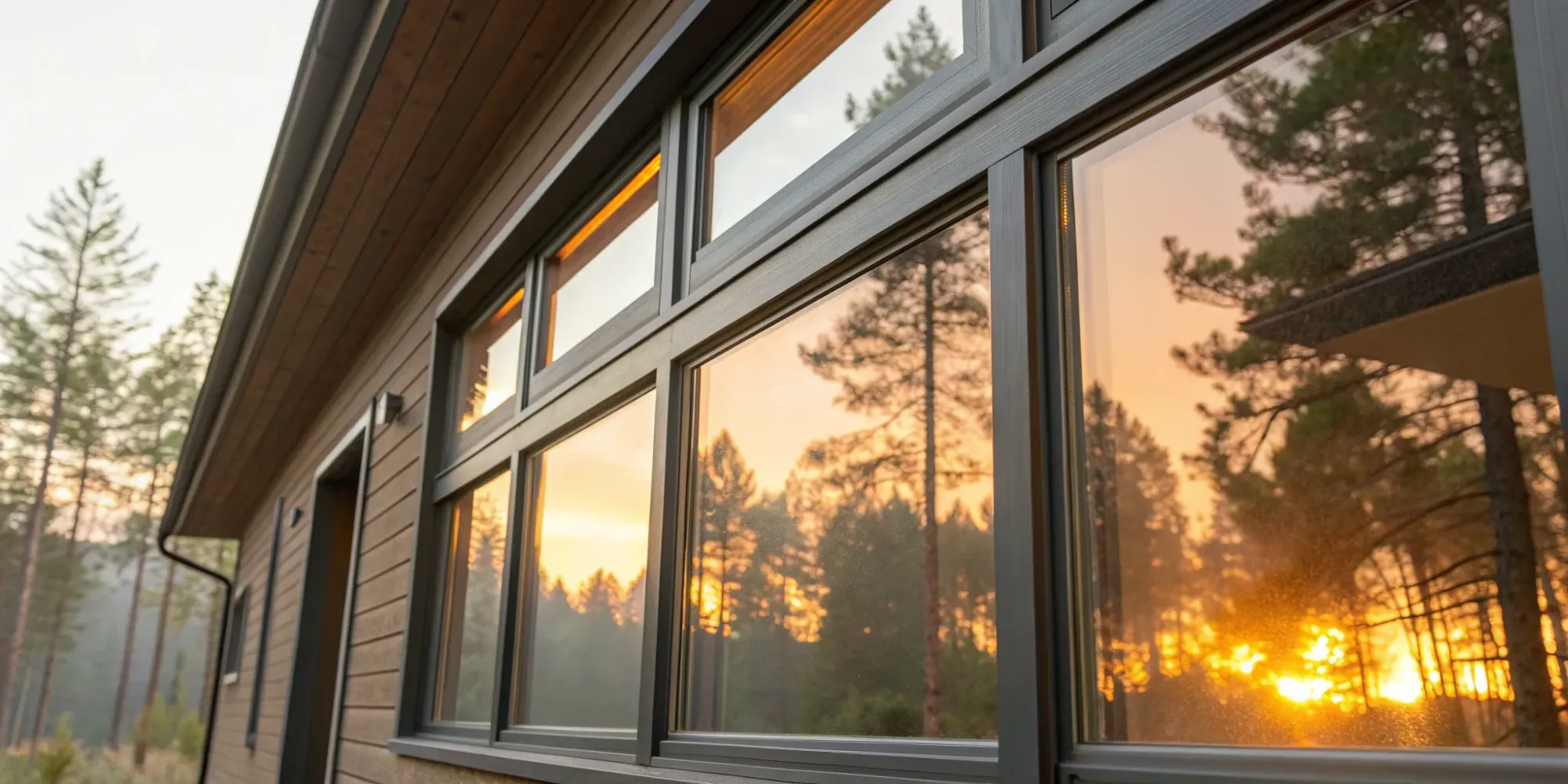
What Are Fire-Resistant Windows Made Of? A Simple Guide
November 28, 2025 · 17 min read
When you’re building a home in a wildfire-prone area, you think about every detail. The roofing, the siding, the defensible space around your property. But what about the windows? They are often the most vulnerable points of a house, the first to fail under extreme heat. Standard glass can shatter in minutes, creating an open invitation for embers and flames. This is where fire-resistant windows change the game. They aren't just stronger; they are engineered systems designed to hold their ground. To truly understand their value, you have to look at their construction. So, what are fire resistant windows made of? It’s a combination of specialized glass, robust frames, and intelligent seals that work together to protect your home when every second counts.
Key Takeaways
- Look Beyond the Glass: A truly fire-resistant window is an entire assembly. The frame, seals, and hardware are just as critical as the glass in creating a barrier that holds up against extreme heat.
- Prioritize Strong Materials and Proper Ratings: Opt for non-combustible frames like steel or treated aluminum that won't melt or warp. Ensure the window's time rating meets the specific safety requirements for its location in your home.
- Verify Compliance and Plan for Maintenance: Your window choices must satisfy local building codes and insurance standards to protect your investment. After installation, simple, regular maintenance ensures they will perform as expected when you need them most.
What Are Fire-Resistant Windows?
When you’re building or renovating a home, especially in an area prone to wildfires, every material choice matters. Windows are often seen as one of the most vulnerable points of a house during a fire, but they don’t have to be. Fire-resistant windows are engineered assemblies—including the glass, frame, and hardware—specifically designed to contain a fire and stop it from spreading.
Unlike standard windows that can shatter from heat in minutes, these specialized windows are built to withstand extreme temperatures for a set period. This makes them a fundamental part of your home's passive fire protection system, working alongside fire-resistant walls and doors to create a safer barrier. Choosing the right windows isn't just about meeting building codes; it's about giving your family precious time and your home a fighting chance when it matters most.
Why They're a Critical Part of Home Safety
Think of fire-rated windows as your first line of defense from the inside out and the outside in. They are specifically designed to stop fire and smoke from spreading, which is a crucial part of a building's overall safety system. During a fire, every second counts. These windows are engineered to maintain their integrity under intense heat, helping to protect people inside and provide a clearer path for escape.
By compartmentalizing a fire, they prevent flames from quickly moving from room to room or from jumping from a neighboring structure to your home. This containment keeps fire barriers strong, slowing a blaze down and giving firefighters more time to respond. It’s a proactive safety measure that can make a life-or-death difference.
How They Stand Up to Fire
So, what gives these windows their strength? It comes down to smart engineering and robust materials. Fire-rated windows use special multi-layered glass and insulated frames that are designed to block the spread of flames and smoke. This construction allows them to protect a building for a specific duration, often ranging from 20 to 90 minutes, depending on their rating.
The magic is in how the components work together. The specialized glass can handle extreme thermal shock without breaking, while the frames—often made of steel or treated aluminum—resist warping and melting. By installing fire-rated windows, you’re not just ensuring compliance with safety codes; you’re significantly enhancing your property’s resilience against fire.
What Are Fire-Resistant Windows Made Of?
When you think about a window's weak spot in a fire, you probably picture the glass shattering. But a truly fire-resistant window is much more than a special pane of glass. It’s an entire system where every component—the glass, the frame, and even the seals—is engineered to work together to hold back flames, smoke, and intense heat. These windows aren't just stronger; they're smarter.
To earn a fire-resistant rating, a window assembly has to go through intense testing to prove it can maintain its integrity when temperatures soar. This means it won't warp, collapse, or allow fire to pass through for a specific period. This is why choosing the right window involves looking beyond the glass and understanding how the frame and seals contribute to its overall performance. Each part plays a critical role in protecting your home and giving you precious time to get to safety.
A Closer Look at Fire-Rated Glass
The glass in a fire-resistant window is a feat of material science. Unlike standard window glass, which can shatter at around 250°F, fire-rated glass is designed to withstand extreme temperatures for a set duration. There are two main types you’ll encounter. The first is fire-protective glass, which blocks flames and smoke from passing through. Think of it as a basic barrier.
The second, more advanced type is fire-resistive glass. This glass not only stops flames and smoke but also blocks the transfer of radiant heat. This is a huge deal because radiant heat alone can ignite furniture and other items inside your home, even without direct contact with flames. This comprehensive guide for architects explains how these different glass types are constructed to achieve their ratings.
Frames Designed to Endure Extreme Heat
A high-tech pane of glass is useless if its frame melts or burns away. That’s why the frames of fire-resistant windows are made from materials that can take the heat. You won’t find standard vinyl or untreated wood here. Instead, manufacturers use materials like steel or specially treated aluminum.
Steel is a popular choice because of its incredible strength and high melting point, ensuring it holds its shape and keeps the glass secure during a fire. Treated aluminum offers a lighter-weight alternative that is also engineered to resist warping under extreme heat. These durable framing materials are essential for maintaining the window's structural integrity when it matters most.
The Importance of Seals and Hardware
The final piece of the puzzle lies in the details you might not even notice. The gaps between the window sash and the frame are a potential entry point for embers and smoke. To solve this, fire-resistant windows use intumescent seals. When exposed to high heat, these seals expand dramatically—sometimes up to 10 times their original size—to completely fill the gap and create an airtight barrier.
This prevents smoke and toxic gases from seeping into your home. In addition to these expanding seals, all other components, like weatherstripping and locking mechanisms, must also be fire-resistant. Properly hardening windows and doors with these features is a critical step in creating a truly resilient home in a high-risk area.
Fire-Resistant Glass vs. Regular Glass: What's the Difference?
At a glance, fire-resistant glass might look just like the standard glass in most windows, but how it behaves under pressure is worlds apart. When faced with extreme heat, regular window glass can shatter in minutes, creating an open door for flames and smoke. Fire-resistant glass, on the other hand, is engineered to hold its ground, providing a critical barrier that can save property and lives. Understanding this distinction is the first step in making smarter, safer choices for your home.
How Each Type Handles Heat and Impact
Think about what happens when you pour cold water into a hot glass dish—it cracks from the thermal shock. Regular window glass reacts similarly in a fire. The intense heat causes the glass to expand rapidly and unevenly, leading to stress fractures that cause it to break and fall out of the frame. This failure can happen in as little as a few minutes.
Fire-rated glass is built differently. It’s designed to withstand high temperatures for a specific duration, from 20 minutes to over 90 minutes, without shattering. This specialized glass maintains its integrity, forming a barrier that stops the spread of flames and smoke. This containment gives you and your family precious time to evacuate safely and helps protect the structural integrity of your home while firefighters respond. The criteria for fire-rated windows ensure they perform reliably when you need them most.
Fire-Protective vs. Fire-Resistive Glass
Not all fire-rated glass is created equal. It generally falls into two main categories: fire-protective and fire-resistive.
Fire-protective glass is the most basic type. It’s designed to block flames and smoke from passing through the window. Common examples include traditional wired glass and specially treated ceramics. While it effectively contains the fire to one area, it doesn’t stop the transfer of heat.
Fire-resistive glass offers a higher level of protection because it blocks flames, smoke, and dangerous radiant heat. Radiant heat is the intense energy you can feel from a distance, and it’s powerful enough to ignite furniture, curtains, and other flammable materials on the non-fire side of the window. By stopping this heat transfer, fire-resistive glass helps prevent the fire from spreading throughout your home.
The Science Behind the Layers
So, how does fire-resistive glass manage to block radiant heat? The secret is in its construction. This type of glass isn't a single pane; it's a multi-layered unit. It consists of two or more pieces of tempered glass with a clear, intumescent interlayer sandwiched between them.
When exposed to a fire's heat, this inner layer undergoes a chemical reaction. It expands and transforms into a thick, opaque char that acts as an insulating shield. This barrier is what absorbs the energy and blocks radiant heat from passing through. This technology is a key component of a complete fire-rated window assembly, where the glass, frame, and seals all work together to provide comprehensive protection and ensure your home is as resilient as possible.
Choosing the Best Frame Material for Fire Protection
While fire-rated glass gets a lot of attention, it can’t do its job alone. The window frame is just as important—if the frame fails, the glass will fall out, creating an opening for flames and embers to enter your home. The frame’s job is to hold the glass securely in place, even when exposed to extreme heat. That’s why choosing the right material is a critical decision that directly impacts your home’s safety and resilience.
Wood frames, while beautiful, are combustible and can ignite, warp, and fail quickly in a fire. Vinyl frames are even more problematic, as they can melt at relatively low temperatures, compromising the entire window assembly. For true fire resistance, you need a frame made from a material designed to withstand intense heat without losing its structural integrity. The best options are non-combustible materials like steel, treated aluminum, and specialized composites, each offering a unique balance of strength, durability, and design flexibility. Understanding the differences will help you make an informed choice that aligns with your local building codes and your home’s specific risk factors.
Steel: The Gold Standard for Durability
When it comes to raw strength and fire resistance, steel is tough to beat. It has an incredibly high melting point and doesn’t ignite, which is why it’s a top choice for fire-rated assemblies in commercial and residential buildings. During a fire, a steel frame will maintain its shape and strength, keeping the fire-rated glass securely in place to protect your home. Unlike wood or vinyl, it won’t warp or melt away from the glass, ensuring the window system functions as intended when you need it most. This exceptional durability makes steel the gold standard for anyone prioritizing maximum protection in a high-risk area.
The Benefits of Treated Aluminum
Aluminum is another excellent non-combustible material for window frames. While standard aluminum can conduct heat, modern thermally broken aluminum frames are engineered with a barrier between the interior and exterior pieces. This design improves energy efficiency and enhances its performance in a fire. Treated aluminum frames won’t burn or bend easily under high temperatures, offering reliable protection that is far superior to wood or vinyl. They are also lightweight and resistant to corrosion, making them a durable and low-maintenance option that provides both safety and a clean, modern aesthetic for your home.
Exploring Composite and Other Materials
Innovation in building science has led to the development of advanced composite materials that offer a powerful combination of fire resistance, durability, and design freedom. These frames are engineered by combining materials like fiberglass and polymers to create a product that is stronger and more resilient than its individual parts. Insulated framing made from composite building materials can be designed to provide excellent thermal performance and stand up to intense heat without compromising structural integrity. This gives homeowners and architects the ability to achieve a specific look without sacrificing the safety that is essential in fire-prone regions.
How Are Fire-Resistant Windows Tested and Rated?
So, how do you know if a window is truly fire-resistant? It’s not just a marketing claim. These windows go through intense, standardized testing to earn their safety labels. Think of it as a final exam for fire safety, where the window has to prove it can stand up to extreme heat and flames. This process isn't about guesswork; it's about providing homeowners and builders with verifiable proof of performance when it matters most.
Independent laboratories, like the well-known Underwriters Laboratories (UL), conduct these rigorous evaluations. During a test, a window assembly is installed in a wall and exposed to a controlled fire that mimics the conditions of a real house fire. The lab technicians measure how long the window can remain intact, block flames from passing through, and limit the transfer of dangerous heat. The goal is to determine a window’s breaking point and assign it a rating based on its performance. These official fire ratings give you a clear, reliable measure of how much time the window can buy you and your family in an emergency, making them a critical piece of your home's overall safety plan.
Decoding the Official Fire Ratings (ASTM & UL)
When you see fire ratings, you’ll often come across acronyms like ASTM and UL. These aren’t just random letters; they represent the organizations that set the safety standards. The American Society for Testing and Materials (ASTM) and Underwriters Laboratories (UL) create the testing procedures that manufacturers must follow. Their standards ensure that a window rated for 45 minutes in one lab offers the same level of protection as one tested elsewhere.
The rating itself is straightforward: a window with a 45-minute rating has been proven to withstand fire exposure under test conditions for at least 45 minutes. This simple number gives you a clear benchmark for comparing products and making an informed decision for your home’s safety. You can find a comprehensive guide to these ratings to learn more.
What Do Time Ratings (20-90 Minutes) Actually Mean?
The time ratings on fire-resistant windows, which typically range from 20 to 90 minutes, represent a critical window of safety. This number tells you how long the window assembly can effectively act as a barrier against fire, preventing the passage of flames and smoke. A 30-minute rating, for example, means the window is designed to hold back a fire for half an hour, giving occupants precious time to evacuate.
It’s important to remember that this rating applies to the entire window unit—not just the glass. The frame, seals, and hardware must all work together to meet the required standard. If one component fails, the whole system fails. That’s why understanding these fire-rated criteria is essential when selecting windows for high-risk areas.
Common Myths About Fire-Resistant Windows
When you’re building or renovating a home, especially in an area prone to wildfires, every decision feels critical. Windows are a huge part of your home’s defense system, but there’s a lot of confusing information out there. It’s easy to fall for common myths that can compromise your safety and the integrity of your home. Let’s clear up some of the biggest misconceptions about fire-resistant windows so you can make choices with confidence.
Understanding the difference between a standard window and one engineered for fire protection is the first step. It’s not just about the glass; it’s about the entire window assembly, including the frame, seals, and hardware, all working together to create a barrier against intense heat and flames. Getting this right not only protects your property but also aligns with local building codes and can make your home more insurable. Let's break down the facts.
Myth: Any Window Offers Some Fire Protection
It’s a common assumption that any barrier, even a standard glass window, provides at least a little protection from a fire. Unfortunately, this isn’t true. Regular window glass can shatter in as little as a few minutes when exposed to the high heat of a fire, creating an easy entry point for flames, smoke, and embers.
Fire-rated windows are entirely different. They are engineered systems that use specialized, fire-resistant glass and durable framing materials designed to withstand extreme temperatures for a specific period. These windows undergo rigorous testing to meet strict safety standards, ensuring they maintain their integrity when it matters most. A standard window simply isn’t built for that kind of performance.
Myth: All Windows Fail at the Same Rate
This myth assumes that when a fire breaks out, every window is equally vulnerable. In reality, how a window performs depends entirely on its construction. A standard, single-pane window will fail almost immediately. Even a double-pane window offers minimal resistance to the intense, radiant heat of a wildfire.
In contrast, fire-rated windows are built with multi-layered glass and insulated framing to hold back flames and heat. They are assigned time ratings—like 20, 45, or 60 minutes—that tell you how long the window can be expected to maintain its structural integrity during a fire. This crucial time can allow your family to escape safely and give firefighters a better chance to save your home.
Myth: Vinyl Frames Are a Safe Choice
Vinyl is a popular and affordable window frame material, but it’s generally not the safest choice for fire-prone regions. Standard vinyl can begin to soften, warp, and melt at relatively low temperatures (around 165°F), causing the glass to fall out and compromising the entire opening.
While some manufacturers offer specialized, fire-resistant vinyl products, it’s critical not to confuse them with standard vinyl. These enhanced products contain additives to improve their performance under heat. However, materials like steel, aluminum, and composites typically offer superior fire resistance. Always check the specific fire rating and test certifications for any frame material you’re considering to ensure it meets your local code and safety requirements.
How to Choose the Right Fire-Resistant Windows
Making the right choice for your home isn’t just about picking a window that looks good—it’s about finding the one that offers the right level of protection for your specific situation. When you’re building or renovating in a high-risk area, your windows are a critical line of defense. Thinking through your needs ahead of time will give you confidence in your plan and help you communicate clearly with your builder or architect. To simplify the process, focus on three key areas: the fire rating, the materials, and your local requirements.
Match the Rating to Your Home's Needs
Fire-rated windows are tested and assigned a time rating, usually from 20 minutes up to three hours. This number tells you how long the window assembly can withstand fire and smoke before it fails. While a 3-hour rating sounds impressive, you don’t necessarily need the maximum for every opening. The right rating depends on the window’s location and your home’s overall fire risk. For example, windows closer to a neighboring property or in a critical escape path might require a higher rating. An architect can help you understand fire-rated windows and determine the appropriate level of protection for each part of your home.
Select Materials Based on Climate and Risk
The materials in your windows make a huge difference. During a wildfire, regular glass can shatter in as little as one to three minutes when exposed to intense heat. Tempered glass, on the other hand, is about four times stronger and more resistant to breaking from thermal shock. For the best protection, look for windows with multi-layered or specially treated glazing. The frame is just as important. Materials like steel or treated aluminum won’t melt or warp like vinyl, ensuring the entire window assembly maintains its integrity when you need it most. These fire-resistant windows are designed as a complete system to keep flames and smoke out.
Align Your Choice with Codes and Insurance
Finally, your window choices must meet local building codes and insurance requirements. The International Building Code (IBC) specifies where fire-rated windows are mandatory, such as in walls that are close to property lines or along designated exit routes. Following these codes isn’t just about passing an inspection; it’s about ensuring your home is fundamentally safe. Plus, demonstrating that you’ve used compliant, resilient materials can make your home more attractive to insurers. Proactively choosing the right windows can lead to lower insurance costs and a smoother process if you ever need to file a claim.
How to Maintain Your Fire-Resistant Windows
Investing in fire-resistant windows is a significant step toward protecting your home, but their effectiveness relies on proper care. Think of them like any other critical safety feature in your house—they need regular attention to perform when it matters most. A cracked seal or a compromised frame can undermine the entire system. Fortunately, maintaining these windows isn’t complicated. By incorporating a few simple habits into your home maintenance routine, you can ensure your windows provide the protection you count on for years to come. It’s all about being proactive and knowing what to look for.
Schedule Regular Professional Inspections
It’s easy to overlook the subtle signs of wear and tear on your windows, but an expert won’t. That’s why scheduling professional check-ups is so important. A qualified inspector can spot issues you might miss, like compromised seals, early signs of frame warping, or damage to the glass itself. Regular inspections are the best way to catch small problems before they become major vulnerabilities. Think of it as a yearly physical for your home's defenses. An inspector can confirm that every component is functioning correctly, giving you peace of mind that your windows are ready to stand up to a fire.
Clean Your Windows the Right Way
You might not think cleaning methods could affect fire resistance, but they can. Harsh, abrasive cleaners or acidic chemicals can degrade the special coatings and fire-resistant materials that make your windows effective. Over time, this damage can compromise their integrity. The best approach is to stick with simple, gentle cleaning solutions, like mild soap and water with a soft cloth. This protects the specialized surfaces of both the glass and the frame, ensuring they aren't accidentally weakened. It’s a small change in your routine that makes a big difference in preserving your home's safety.
Know When to Replace Seals and Parts
The seals and weatherstripping around your windows are your first line of defense against embers, smoke, and extreme heat. Over time, these components can become brittle, cracked, or compressed, creating tiny gaps where fire can find a way in. Make it a habit to visually inspect your window seals every few months. If you see any signs of damage or feel a draft, it’s time for a replacement. When you do, make sure you use certified fire-resistant weatherstripping and parts. Using standard materials will negate the window’s fire rating and create a dangerous weak point.
Related Articles
- Are Fiberglass Windows Fire Resistant? A 2025 Guide
- Are Fiberglass Windows Fire Resistant? The Facts
- The Ultimate Guide to Fire-Resistant Windows
- The Ultimate Guide to Fire Rated Window Installation
Frequently Asked Questions
Can I just replace the glass in my current window frames to make them fire-resistant? That’s a common question, but unfortunately, the answer is no. A window’s fire rating comes from the entire assembly working together—the glass, the frame, the seals, and the hardware. If you put fire-rated glass into a standard vinyl or wood frame, the frame would likely melt or burn away in a fire, causing the glass to fall out. For a window to be effective, every single component must be tested and certified to withstand extreme heat as a complete unit.
Do fire-resistant windows look bulky or industrial? Not at all! While early versions might have been more industrial, today’s fire-resistant windows are designed to blend seamlessly with modern home aesthetics. You can find them in a variety of styles and finishes, with sleek frames made from materials like treated aluminum or specialized composites. You don’t have to sacrifice your home’s design to get the high level of protection you need.
How do I know what fire rating my windows need? The right rating for your windows depends on your home’s specific location and local building codes. Factors like how close your home is to a property line or a neighboring structure often determine the required rating, which can range from 20 to 90 minutes. The best approach is to consult your local building department or work with an architect who can review your plans and specify the correct ratings for each window.
Are fire-resistant windows required for every window in my house? Typically, no. Building codes usually require fire-rated windows in specific, high-risk locations rather than for the entire house. These areas often include walls that are close to property lines or other buildings, as well as windows along a designated escape route. The goal is to prevent fire from spreading between properties and to protect your path to safety.
Will installing fire-resistant windows lower my home insurance premium? It certainly can. Insurance companies value proactive measures that reduce risk. By installing certified fire-resistant windows, you are making your home more resilient and less likely to suffer catastrophic damage in a fire. Many insurers recognize this and may offer discounts or better terms on your policy. It’s always a good idea to speak with your insurance agent about the specific benefits of using compliant, fire-rated materials in your home.