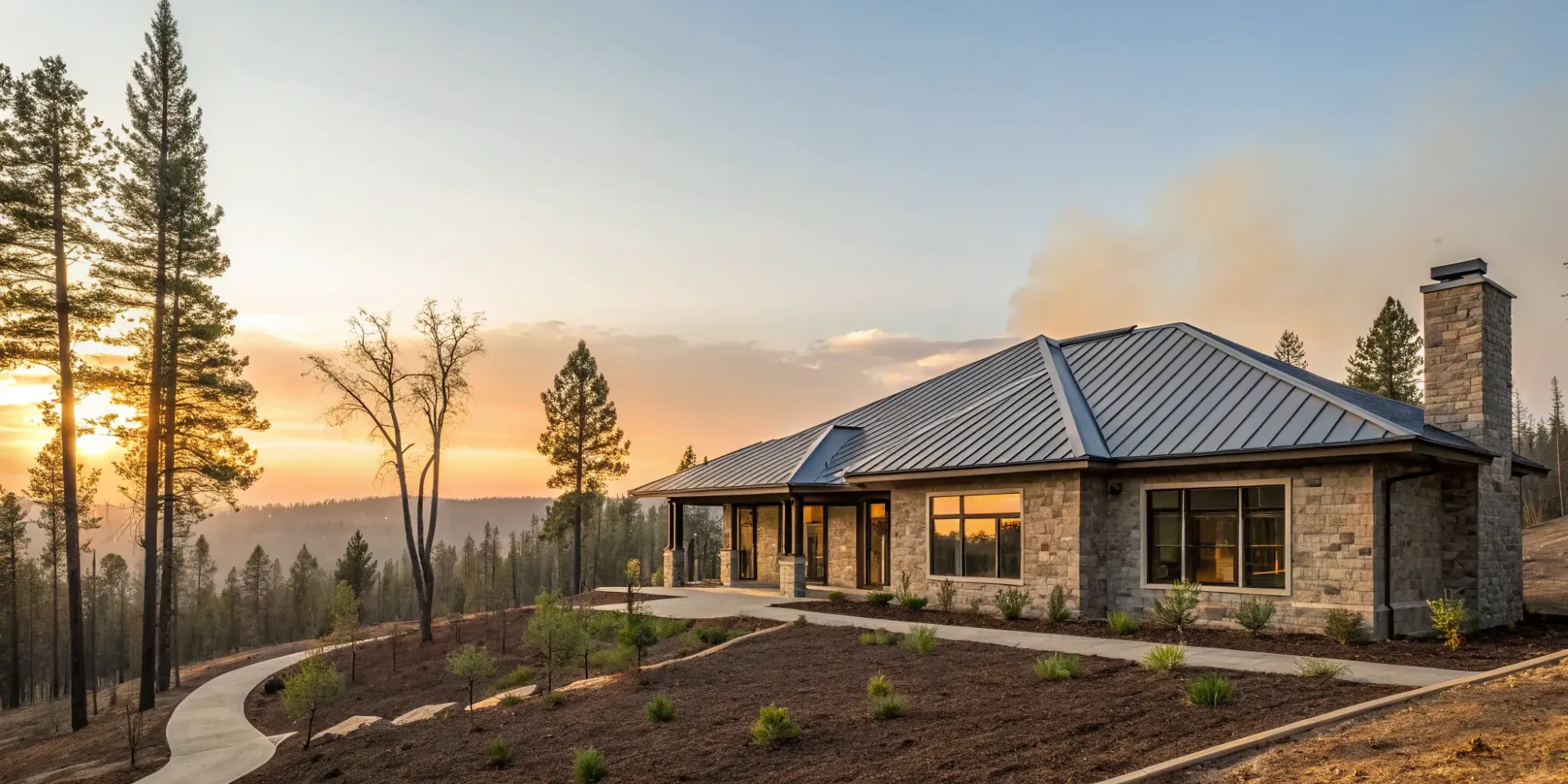
Wildfire-Proof House: The Ultimate Guide to Home Protection
October 2, 2025 · 20 min read
The biggest threat to your home during a wildfire isn't what you see on the news. It’s not the towering wall of flames, but the millions of tiny, glowing embers that ride the wind for a mile or more ahead of the fire. These embers are the primary reason homes are lost, finding their way into small crevices, igniting dry leaves in a gutter, or entering an unscreened vent. To build a truly wildfire proof house, you have to think less about fighting a massive fire and more about defending against these tiny sparks. This guide is built around that principle. We’ll walk through every detail, from your roof and siding to your vents and deck, showing you how to seal the weak points and create a home that can stand strong.
Key Takeaways
- Build a layered defense, not a fortress: True wildfire resistance comes from a complete system—combining non-combustible materials, smart architectural design that sheds embers, and a well-maintained defensible space around your property.
- Focus on stopping embers at every entry point: The biggest threat is often from tiny, wind-driven embers, not the main fire. Seal your home by covering vents with fine metal mesh, using dual-paned windows, and caulking any gaps in your exterior walls.
- Treat safety as a process, not a one-time project: A resilient home starts with smart planning, including professional plan reviews and code compliance, and is protected by consistent, ongoing maintenance. This proactive approach ensures your home is insurable, safe, and ready for wildfire season year after year.
What Makes a Home Wildfire-Resistant?
When you picture a home that can stand up to a wildfire, it’s easy to imagine a concrete bunker. But a truly wildfire-resistant home isn’t about creating an impenetrable fortress; it’s about building a smart, resilient structure designed to reduce the chances of igniting in the first place. The real threat often isn't the main wall of fire, but the millions of tiny, wind-driven embers that can travel a mile or more ahead of it. These embers get into small crevices and ignite flammable debris, and they are the primary reason homes are lost in wildfires.
A wildfire-resistant home is a complete system. It starts with the materials you choose for your roof and siding and extends to the design of your vents, the type of windows you install, and even the landscaping choices you make in your yard. Each element works with the others to create layers of protection that make your home a much harder target for embers to ignite. By focusing on these key areas, you can significantly lower your risk and build a home that gives you peace of mind, even in a high-risk area.
Key Elements of a Fire-Resistant Home
Building a home that can withstand a wildfire starts with a few fundamental principles. First, focus on your roof, as it’s the most vulnerable surface. Use non-combustible materials like tile, slate, or metal, and opt for a simple roof design without lots of nooks where embers and pine needles can gather. Next, seal off any entry points for embers. Cover all attic and crawl space vents with a fine, non-combustible metal mesh. Finally, create an ember-resistant zone in the first five feet around your home’s foundation. This means removing all flammable vegetation, mulch, and debris to create a clean, non-combustible perimeter.
Common Myths About Fire Protection
One of the biggest myths holding people back is the idea that building a fire-resistant home is just too expensive for the average person. It’s easy to assume that resilient materials and special construction techniques will break the budget, but that’s rarely the case. The truth is, you don’t need to spend a fortune to make a huge difference in your home’s safety. Many of the most effective strategies are about making smart, informed choices rather than buying the most expensive products. Addressing these common fire myths is the first step toward building a safer, more insurable home without unnecessary costs.
The True Cost of Building for Resilience
The cost of constructing a home to meet wildfire-resistant building codes doesn't have to be a barrier. In many high-risk areas, these protective measures are already part of the standard building requirements. For example, California’s building code has long required features like fire-resistant siding, tempered glass windows, and careful vegetation management for new construction in wildfire zones. These aren't luxury add-ons; they are the modern standard for safe building. Focusing on code-compliant, resilient design from the start is a practical investment that protects your property and can make it easier and more affordable to insure.
Choose the Right Fire-Resistant Materials
When you're building or renovating in a high-risk area, your choice of materials is your home's first line of defense. Embers from a wildfire can travel for miles, and they’ll look for any flammable surface to ignite. The good news is that selecting fire-resistant materials doesn't mean sacrificing style or breaking the bank. It’s about making smart, strategic choices for every part of your home’s exterior, from the roof down to the foundation. Let's walk through the key areas to focus on.
Roofing and Gutters
Your roof is the most vulnerable part of your home during a wildfire. Opt for noncombustible materials like asphalt shingles, metal, or tile. While tile is a great option, be aware that it can crack over time, creating small gaps where embers and debris can get trapped. Simple roof designs with fewer valleys and dormers are also safer because they offer fewer places for leaves and pine needles to pile up. Speaking of which, regular maintenance is non-negotiable. You have to keep your roof and gutters clear of debris, as a stray ember can easily ignite a small pile of dry leaves. This simple habit is a crucial part of how you can prepare and protect your home.
Siding and Exterior Walls
The siding on your home acts as its armor. Materials like fiber cement, stucco, and brick are excellent noncombustible choices that resist ignition from flying embers. They are far safer than vinyl siding, which can melt and warp from heat, or wood siding, which is obviously flammable. If a complete siding replacement isn't in the budget, you can still make a significant impact. Focus on the bottom six inches of your exterior walls, replacing that section with a noncombustible material. This creates a barrier that prevents embers piled at the base of your home from igniting the walls. It's a key strategy for building a truly wildfire-resistant house.
Windows, Doors, and Vents
Windows and vents are weak points where embers can find their way inside. For windows, choose dual-paned designs with tempered glass, which is much more resistant to breaking under extreme heat. The frames are just as important—metal frames, like aluminum, are a much better choice than wood or vinyl, which can burn or melt. Vents for your attic, foundation, and crawl spaces are basically open doors for embers. You can secure these openings by covering them with a fine metal mesh (1/8-inch is a common recommendation). This simple fix allows for airflow but blocks dangerous embers from getting inside. These small details are essential for creating ignition resistant homes.
Decks, Fences, and Patios
Your outdoor living spaces can either act as a firebreak or as fuel for a fire. Whenever possible, choose noncombustible materials for these structures. A concrete or stone patio is a much safer choice than a wooden deck attached to your house. If you have your heart set on a deck, look into composite decking with a high fire-resistance rating. Fences can also act as a wick, carrying fire directly to your home. If you have a wooden fence, consider replacing the section that connects to your house—about five feet—with a metal gate or noncombustible fencing material. This creates a critical gap that can stop a fire in its tracks.
Design Your Home for Fire Safety
Beyond choosing the right materials, the actual design of your home plays a huge role in its ability to withstand a wildfire. Smart architectural choices can shed embers, reduce areas where heat can get trapped, and eliminate weak spots that might otherwise lead to ignition. Thinking about fire safety during the design phase is one of the most effective ways to build a truly resilient home. It’s about creating a structure that works with its environment to stay safe, not against it.
Build Safer Roofs and Eaves
Your roof is one of the most vulnerable parts of your home during a wildfire because it’s a large, exposed surface where embers can land and ignite debris. The best approach is to keep the design simple. Roofs with complex shapes, multiple dormers, or intersecting planes create valleys and corners where pine needles and leaves can pile up, providing fuel for embers. A simpler roofline is easier to maintain and has fewer spots for trouble to start.
For materials, you’ll want to choose a Class A fire-rated roof, which is the highest rating for fire resistance. Metal, asphalt shingles, and concrete or clay tiles are all excellent noncombustible options. While tile is very durable, be aware that it can crack over time, creating small crevices where debris can get trapped.
Incorporate Fire-Safe Architectural Details
The exterior walls of your home are its primary shield against radiant heat and embers. While traditional wood or vinyl siding might be common, they are combustible and can easily ignite when exposed to wildfire conditions. Instead, you should use noncombustible materials for your exterior walls. Stucco, fiber cement siding, and brick are all fantastic choices that offer superior fire resistance without compromising on style.
These materials are not only safer but also durable and often easy to install. By incorporating fire-safe architectural details from the beginning, you create a home that is inherently more defensible. This is a critical step that provides a strong first line of defense, helping to protect the structure from the intense heat of an approaching fire.
Install Ember-Resistant Vents and Screens
During a wildfire, the biggest threat often comes from tiny, wind-blown embers that can travel a mile or more ahead of the flames. These embers can enter your home through vents in the attic, foundation, or crawl spaces, igniting it from the inside out. This is why sealing these entry points is absolutely essential for wildfire protection.
You can protect your home by covering all vent openings with a fine, non-combustible metal mesh. A screen with 1/8-inch openings is small enough to block most embers while still allowing for proper ventilation. This is a relatively simple and inexpensive fix that provides a massive return on safety. Making sure your home has ember-resistant vents is one of the most important steps you can take to harden it against wildfire.
Use Heat-Resistant Barriers
Even with fire-resistant siding and screened vents, small gaps and cracks can still provide an entry point for embers. Think about the areas where different materials meet: where the siding joins the foundation, around window and door frames, and where utility lines enter the house. These tiny openings can be just enough for a glowing ember to find its way in.
To seal these vulnerabilities, use fire-resistant caulk or expanding foam to fill any gaps in your home’s exterior. Carefully inspect your siding, foundation, and eaves, and seal every crack you find. This meticulous attention to detail creates a continuous barrier that prevents embers from penetrating your home’s defenses. It’s a crucial final step in preparing your home and ensuring it’s sealed tight against the threat of wildfire.
Create Your Defensible Space
A fire-resistant home is only as strong as the space around it. Creating a "defensible space" is about managing the landscape surrounding your house to reduce wildfire threats. Think of it as a buffer zone that can slow or even stop a fire from reaching your front door. This isn't just about clearing brush; it's a strategic approach to landscaping that breaks your property into manageable zones. By carefully selecting plants and materials and maintaining these areas, you give firefighters a safer space to defend your home. This proactive step is one of the most effective actions you can take to protect your property. It also demonstrates a commitment to risk reduction that insurance providers look for, making it easier to secure coverage in high-risk areas. Let's walk through how to set up these crucial zones.
Zone 1: The First 5 Feet
This is your home’s most vulnerable area, often called the immediate zone or ember-free zone. Embers are the primary way wildfires ignite homes, and this five-foot perimeter is where they’re most likely to land and catch fire. Your goal here is to eliminate anything that could act as fuel. Start by removing all flammable mulch, like wood chips or pine straw, and replace it with non-combustible options like gravel or pavers. Clear away all dead leaves, plants, and debris from this area. It’s also critical to ensure nothing flammable is stored on or under your deck, including firewood, gas cans, or patio furniture. This clean, clear space is your first line of defense and a key feature of ignition-resistant homes.
Zone 2: 5 to 30 Feet
In this zone, your focus shifts from eliminating fuel to interrupting a fire’s path. The goal is to create a "lean, clean, and green" landscape. Start by pruning any tree branches that hang over your roof or come within 10 feet of your chimney. Create space between shrubs and trees to prevent fire from jumping from one plant to another. If you have a wood fence connected to your house, consider replacing the section closest to your home with a metal gate or non-combustible fencing material. This simple change can stop a fire from using your fence as a direct line to your house. Careful landscaping choices in this zone can significantly slow a fire’s progress.
Zone 3: 30 to 100 Feet
This outer zone is about reducing the overall energy and speed of an approaching wildfire. You don't need to clear everything, but you should thin out the vegetation. Remove smaller trees and shrubs growing between larger, more established trees to create more space. Prune the lower branches of mature trees up to about 6 to 10 feet from the ground to prevent a ground fire from climbing into the treetops. Regularly mow dry grass and weeds, and clear away any large piles of dead leaves or branches. The idea is to keep potential flames small and on the ground, making it much harder for a fire to build momentum as it nears your home.
Choose Fire-Resistant Plants
Your plant selection matters immensely. While no plant is completely fireproof, some are much less flammable than others. Opt for plants with high moisture content, like succulents, or deciduous trees that drop their leaves. Flowers and low-lying groundcovers are generally safer choices near the house than large, dense shrubs. Even healthy, well-watered bushes can become highly flammable in extreme fire conditions, acting like fuel cans next to your home. Avoid plants with waxy leaves, strong odors, or high oil content, such as juniper, cypress, and rosemary. Proper spacing and regular maintenance are just as important as the plants you choose, so keep them watered and pruned.
Maintain Your Fire-Resistant Home
Building a fire-resistant home is a huge accomplishment, but the work doesn’t stop once construction is finished. Just like any other part of your home, your fire-safe features need regular attention to stay effective. Consistent maintenance ensures your home remains a strong defense against wildfires year after year. Think of it as protecting your investment and, more importantly, your family. A little upkeep goes a long way in preserving your home’s resilience and giving you lasting peace of mind.
Your Regular Inspection Checklist
Creating a simple, recurring checklist is the easiest way to stay on top of maintenance. At least twice a year, walk your property and look for potential risks. Clear any leaves, pine needles, or other debris from your roof and gutters, as this buildup can easily catch fire from flying embers. Check that tree branches are trimmed back at least 10 feet from your chimney and roof. Finally, inspect your exterior walls and foundation for any cracks or gaps larger than 1/8 of an inch and seal them promptly. These small openings are all it takes for a stray ember to find its way inside.
Key Seasonal Maintenance Tasks
As fire season approaches, a few key tasks can make a big difference. Make it a habit to clean out your attic and crawl space vents, ensuring the 1/8-inch metal screens are secure and free of debris. This is a critical step in ember-proofing your home. On days with high fire risk, take a few minutes to bring flammable items like outdoor furniture, doormats, and trash cans inside or into the garage. These simple seasonal adjustments are part of maintaining your defensible space and hardening your home against immediate threats.
Prepare for an Emergency
Beyond maintenance, a little preparation can be a lifesaver. Always keep a garden hose that is long enough to reach any part of your house connected to an outdoor faucet. In an emergency, you won’t have time to search for it. Also, take a moment to check your home’s visibility from the street. Your house number should be large, reflective, and clearly visible from the road so emergency responders can find you without delay. The National Interagency Fire Center provides excellent resources for creating a comprehensive emergency plan for your family.
When to Get a Professional Assessment
While you can handle most routine maintenance yourself, it’s smart to get a professional assessment every few years, especially if local building codes have changed. An expert can spot vulnerabilities you might miss and recommend new materials or treatments for things like wood siding. If you’re planning a renovation or addition, a professional review is essential to ensure your new plans don’t compromise your home’s existing fire resistance. This is where a service that understands both wildfire-resistant building codes and insurance requirements can give you confidence that you’re still on the right track.
Handle Codes and Insurance with Confidence
Building a home that can stand up to wildfire involves more than just choosing the right materials. It also means working with local regulations and your insurance provider to make sure your project is compliant, covered, and financially sound. This part of the process can feel overwhelming, with its own language of codes, permits, and policies. But with a clear approach, you can manage these requirements confidently. Think of it as laying a solid foundation not just for your house, but for your peace of mind. By understanding the rules and getting the right eyes on your plans, you ensure your home is as safe on paper as it is in person.
Know Your Local Building Codes
Before you finalize any plans, it’s essential to understand your local building codes. These regulations are not just bureaucratic hurdles; they are minimum safety standards designed to protect your home and your life. For example, many areas in California follow Chapter 7A, which specifies requirements for everything from fire-resistant siding to tempered glass windows. Your local municipality will have its own set of rules, so start by visiting their website or contacting the planning department. Getting familiar with these codes early on helps you and your builder make informed decisions, avoiding costly changes and delays down the road.
Gather the Right Documentation
Once you know the codes, your next step is to get all your paperwork in order. This includes architectural plans, material specifications, and permit applications. Having thorough documentation makes the approval process with your local building department much smoother. It also serves as a crucial record for your insurance company, proving that you’ve taken steps to build a resilient home. While it might seem like building to a higher standard will be expensive, research shows that constructing a home to meet wildfire-resistant building codes doesn't have to break the bank. Proper documentation helps you track these choices and demonstrate the value you’ve built into your property.
How Fire Resistance Affects Your Insurance
The choices you make in designing and building your home have a direct impact on your ability to get and afford homeowners insurance. Insurers are increasingly looking at a home’s specific features to assess its risk in a wildfire-prone area. By using fire-resistant materials and creating defensible space, you make your home a more attractive, less risky property to insure. This can lead to better coverage options and potentially lower premiums. It’s a common myth that fire protection is unaffordable, but investing in resilience is an investment in your financial security. Don’t assume your standard policy will cover a total rebuild to modern codes—talk to your agent about what your policy includes.
Get a Professional Plan Review
Before you start construction, consider getting a professional review of your building plans. An expert can provide a fresh perspective and catch potential issues that you, your architect, or your builder might have missed. This review can confirm that your design meets all local building codes, incorporates the best fire-resistant materials for your budget, and aligns with what insurers want to see. This step is about gaining confidence that your home is designed to be as safe as possible. Firefighters and building scientists have identified key construction methods for fire resistance, and a plan review ensures you’re putting that knowledge into practice. It’s a small investment that can prevent major headaches later.
Add Fire Protection Systems and Tech
Beyond the structure itself, the right technology and systems provide an active layer of defense against fire. Think of these as your home’s early warning and rapid response tools. Integrating modern fire protection isn't just about meeting code; it’s about giving you and your family precious time to react in an emergency. From smart detectors that alert you on your phone to suppression systems that can stop a fire before it spreads, these additions are powerful assets in your home's overall resilience strategy. They work hand-in-hand with fire-resistant materials and defensible space to create a comprehensive safety plan.
Install Fire Detection Systems
An early warning is your first and best line of defense. Modern smoke and heat detectors are essential for alerting you to danger, especially in a fast-moving fire. For the best protection, install interconnected alarms—when one sounds, they all sound. This ensures that a fire detected in the basement will trigger an alarm in an upstairs bedroom. Place detectors inside each bedroom, outside sleeping areas, and on every level of your home, including the basement. Remember to test them monthly and replace the batteries annually. Following proper fire prevention practices is a simple step that can make all the difference when seconds count.
Choose Fire Suppression Equipment
Active fire suppression can be the difference between a small incident and a total loss. Many homeowners believe that professional-grade fire protection is out of reach, but that’s often not the case. Residential sprinkler systems, for example, can control and often extinguish a fire before the fire department arrives, drastically reducing property damage. At a minimum, every home should have several multi-purpose fire extinguishers strategically placed in high-risk areas like the kitchen and garage. Make sure everyone in your household knows where they are and how to use them. Investing in fire suppression equipment is a practical and effective way to protect your home and family.
Integrate Smart Home Safety Features
Technology offers incredible new ways to monitor and protect your home. Smart smoke and carbon monoxide detectors can send an alert directly to your smartphone if a problem is detected, whether you're home or away. Some systems can even be integrated to automatically shut down your HVAC system to prevent smoke from circulating or to alert a professional monitoring service. These features provide peace of mind and a faster response time. As you plan your home's safety, consider how smart home technology can be integrated into your overall fire protection strategy, giving you more control and awareness.
Have Emergency Response Tools Ready
In a fire emergency, having the right tools on hand and a clear plan is critical. This starts with accessible fire extinguishers and knowing how to operate them. It also means having a well-rehearsed fire escape plan that everyone in your family understands. Practice your plan at least twice a year, making sure everyone knows two ways out of every room and has a designated meeting spot outside. Proactive measures like these are just as important as the physical construction of your home. By preparing your family, you empower them to act quickly and safely. You can create your escape plan in just a few simple steps.
Work with the Right Professionals
Building a home that can stand up to a wildfire isn’t something you should do alone. Assembling the right team of experts is one of the most important steps you’ll take. From architects and contractors to plan reviewers, each professional brings a specific skill set that ensures your home is safe, compliant, and insurable. Think of them as your personal board of advisors, guiding you through complex decisions about materials, design, and local regulations.
Choosing the right people from the start saves you time, money, and a lot of stress down the road. An experienced team can spot potential issues before they become costly problems, help you source the best materials for your budget, and make sure every detail aligns with wildfire safety standards. They understand the unique challenges of building in high-risk areas and can provide the confidence you need to move forward with your project. Investing in a solid team is an investment in your home’s resilience and your family’s peace of mind.
Find a Qualified Contractor
Your contractor is the one who turns your plans into a physical reality, so it’s essential to find someone who understands the specifics of fire-resistant construction. Look for a builder with proven experience using fire-hardened materials and techniques. They should be well-versed in your area’s wildfire safety codes and be able to explain how they’ll meet or exceed them. When interviewing potential contractors, ask for a portfolio of similar projects and speak with their past clients. A qualified professional will be able to answer your questions clearly and give you confidence in their ability to build a safer home.
Schedule a Professional Assessment
Before you break ground—or even finalize your blueprints—a professional assessment can identify your property’s unique vulnerabilities. This review evaluates everything from your proposed building materials and architectural design to the surrounding landscape and defensible space. For new builds, an expert can review your plans to ensure they meet compliance and insurability standards from the get-go. For existing homes, an assessment can pinpoint the most critical upgrades needed to improve its resilience. This early feedback from a wildfire safety expert is invaluable for making informed decisions that protect your investment and streamline the building process.
Plan Your Budget
Many people assume that building a wildfire-resistant home will break the bank, but that’s often not the case. While some specialty materials may cost more upfront, the overall expense can be comparable to standard construction, especially when planned thoughtfully. An experienced contractor can help you source cost-effective, fire-resistant materials. Remember to frame these costs as a long-term investment. A resilient home not only reduces the risk of catastrophic loss but can also lead to more favorable insurance rates. Smart planning helps you build a safer home without sacrificing your financial goals.
Set Your Project Timeline
A detailed project timeline is your roadmap for construction. It helps coordinate your entire team and ensures all the necessary steps are completed in the right order. Your timeline should account for key milestones like professional assessments, plan reviews, permit approvals, and material orders. Building in a wildfire-prone region can sometimes bring unexpected delays, such as seasonal weather events or the availability of specialized materials. Work with your contractor to create a realistic schedule that includes buffer time for these potential hurdles. A clear timeline keeps everyone on the same page and helps your project run smoothly from start to finish.
Related Articles
- Wildfire Resilient Homes & Building Code Compliance – FAQs
- Wildfire Resilient Homes & Building Code Compliance
- About Wildfire Resilient Homes & Building Code Compliance
WiserBuild CTA Button
Frequently Asked Questions
Does building a fire-resistant home cost a lot more than a standard home? Not necessarily. While some high-performance materials can have a higher price tag, many of the most effective strategies are about making smart design choices from the start. In many high-risk areas, features like noncombustible siding and dual-paned windows are already required by local building codes, so they are part of the standard construction cost. The key is to focus on a resilient design from the beginning, which is a practical investment that often has a minimal impact on the overall budget.
My house is already built. What are the most effective upgrades I can make? If you have an existing home, you can make a huge impact by focusing on the primary threat: embers. Start by creating a clean, noncombustible zone in the first five feet around your foundation—this means swapping wood mulch for gravel and removing flammable debris. Next, cover all attic and crawl space vents with a fine metal mesh to block embers from getting inside. These two steps are relatively low-cost and directly address the most common ways homes ignite during a wildfire.
Is it more important to have fire-resistant materials or a good defensible space? It’s not a matter of one or the other; they are two essential parts of a single protection system. Your home's materials are its armor, and your defensible space is its shield. A house built with the best fire-resistant siding can still be overwhelmed if it's surrounded by flammable vegetation that allows a fire to burn right up to the walls. Likewise, a perfect defensible space won't help if a stray ember can easily ignite a wood shake roof. Both elements must work together to give your home the best possible chance of survival.
Will making these changes actually help me get or keep my homeowners insurance? Yes, absolutely. Insurance providers are in the business of managing risk. When you take documented steps to harden your home with fire-resistant materials and create a well-maintained defensible space, you are actively lowering your property's risk profile. This makes your home a much more attractive and insurable property. Proving that your home is built to a higher standard of safety can lead to better coverage options and more stability in a challenging insurance market.
What's the biggest mistake people make when trying to protect their homes from wildfire? The most common mistake is underestimating the threat of embers. People often focus on the big wall of flames they see on the news, but the reality is that most homes are lost because tiny, wind-driven embers land on something flammable, like a pile of dry leaves in a gutter or flammable mulch next to the house. You can have a concrete home with a metal roof, but if you forget to screen your vents or clear the debris around your foundation, you've left the door wide open for embers to do their damage.