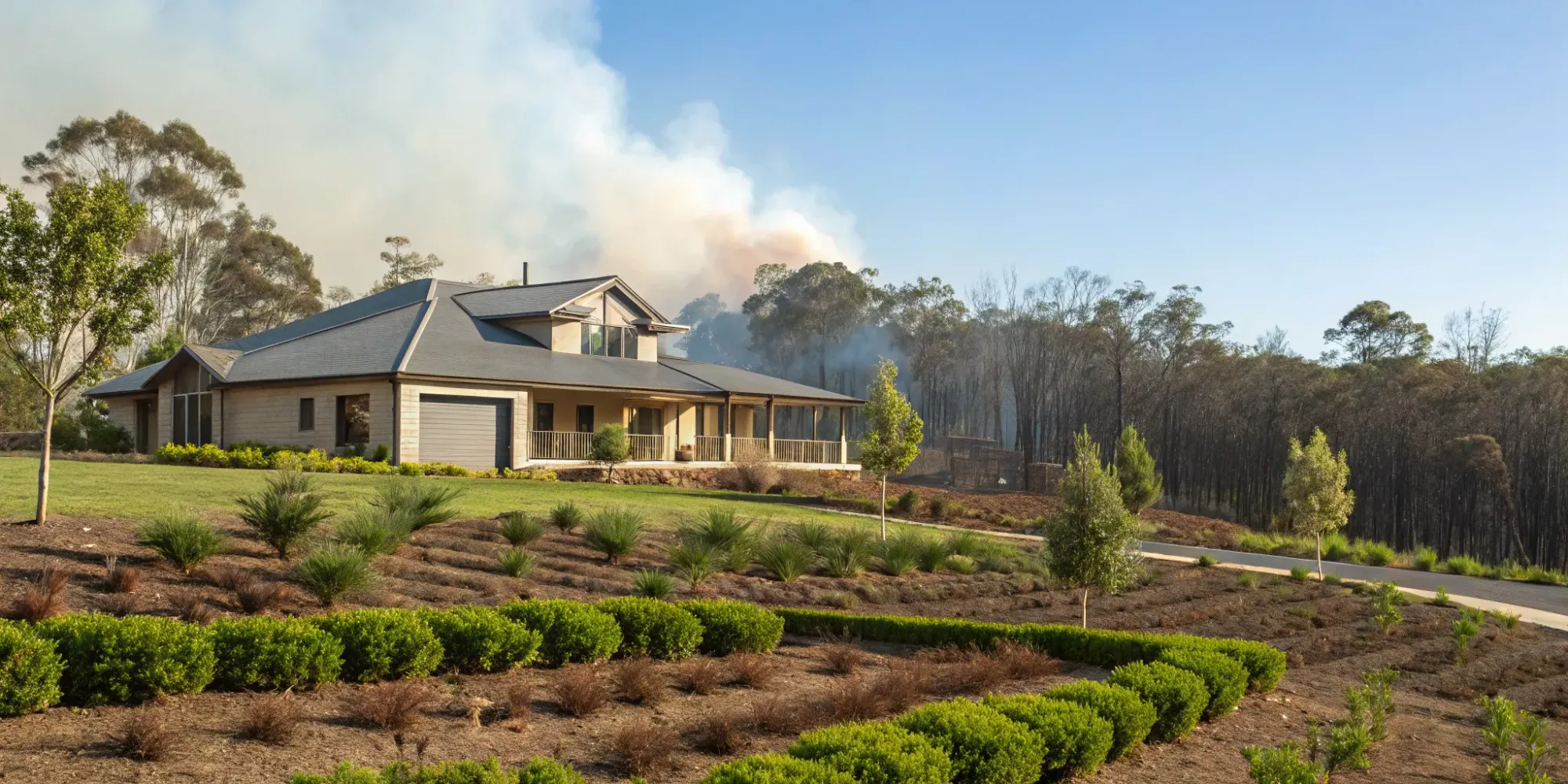
Fire-Resistant Homes: Best Materials for WUI Zones
December 24, 2025 · 17 min read
Many people assume that a fire-resistant home has to look like a concrete bunker, but that’s simply not true anymore. Modern building science has produced a wide range of materials that offer both exceptional safety and beautiful design. You can have the classic look of wood siding or a traditional tile roof without compromising on protection. The key is understanding what makes a material truly effective against embers and radiant heat. We’re here to demystify the options and show you the best materials for WUI zones that deliver on both performance and aesthetics, so you can build a home that is as stylish as it is safe.
Key Takeaways
- Build a complete defensive system: A home’s resilience depends on how well its fire-resistant components—roofing, siding, windows, and vents—work together to create a hardened, non-combustible shell.
- Focus on stopping embers: The greatest wildfire threat comes from wind-blown embers, so sealing small entry points like vents and gaps around doors is just as important as choosing the right siding.
- Maintenance is your long-term defense: Fire-resistant materials are the foundation, but consistent upkeep, like clearing flammable debris from your roof and gutters, is what keeps your home prepared year after year.
What is a Wildland-Urban Interface (WUI) Zone?
If you’ve ever looked at a home nestled near a forest, canyon, or open grassland and thought about the beautiful views, you’ve seen the Wildland-Urban Interface (WUI). Simply put, WUI zones are areas where homes and communities meet or mix with undeveloped, wild land. It’s that beautiful, sometimes blurry line where our neighborhoods push into nature.
Living in these areas offers an incredible quality of life, but that proximity to nature also brings a higher risk of wildfire. As more people build homes in these scenic spots, understanding how to do so safely is more important than ever. It’s not about avoiding these locations, but about building with intelligence and foresight. Knowing whether your property is in a WUI zone is the first critical step in planning a home that is both beautiful and resilient. This designation isn't just a geographical label; it directly influences building codes, material requirements, and even your ability to get homeowners insurance. It will shape everything from your building material choices to your landscaping plans, ensuring your home is prepared for the unique challenges of its environment.
Why WUI Zones Are at Higher Risk for Wildfires
When most people think of a wildfire threat, they picture a massive wall of flames. While direct flame contact is a danger, it’s not how most homes are lost. The biggest threat comes from something much smaller: embers. These are tiny, burning pieces of debris that can be carried by the wind for over half a mile, landing on or near your house. According to Douglas County, Colorado, these wind-blown embers are the primary way homes ignite during a wildfire. This means that even if your home is set back from the main fire, it’s still vulnerable. Hardening your home’s exterior to resist these embers is the key to preventing ignition.
Key Building Codes for WUI Areas
Building codes for WUI zones aren't just bureaucratic red tape; they are a direct response to known wildfire hazards. These regulations provide a roadmap for safer construction by requiring the use of ignition-resistant materials and building methods. The goal of WUI building codes is to create structures that are less likely to catch fire from embers or radiant heat. For example, California’s Chapter 7A of the Building Code mandates that all new homes in designated WUI zones must be built with ember-resistant vents. This one rule helps prevent embers from being sucked into an attic or crawlspace, where they can easily ignite framing materials. Think of these codes as your baseline for building a defensible and insurable home.
What Makes a Building Material Fire-Resistant?
When we talk about fire-resistant materials, it’s easy to imagine something that’s completely fireproof. But in reality, it’s more about performance and time. A fire-resistant material is one that can withstand exposure to flames and high heat for a specific period without catching fire, breaking down, or allowing the fire to pass through it. This quality is what gives you and your family precious time to evacuate and gives firefighters a better chance to save your home.
Building a fire-resistant home isn’t about finding one magic material. It’s about creating a system where every component—from the roof and siding to the windows and vents—works together to reduce the risk of ignition. The goal is to choose materials that are difficult to ignite, don’t contribute fuel to a fire, and resist the two primary threats in a wildfire: flying embers and intense radiant heat. Understanding these principles is the first step toward building a home that’s not only safer but also more insurable.
Understanding Fire-Resistance Ratings
When you’re looking at building materials, you’ll often see fire-resistance ratings like Class A, B, or C. Think of these like grades—Class A is the best you can get. These ratings come from standardized tests where materials are exposed to fire to see how well they hold up. For homes in high-risk wildfire areas, using Class A fire-rated materials for your roof, siding, and deck is a non-negotiable. Materials with this rating, like metal roofing or fiber cement siding, are effective at preventing fire from spreading. Choosing materials with a proven track record in testing gives you confidence that your home’s exterior can handle extreme conditions.
Why Ember Resistance Is Critical
Direct flames from a wildfire are terrifying, but the biggest threat to most homes is actually the shower of tiny, glowing embers that can travel a mile or more ahead of the fire itself. According to fire safety experts, most homes ignite and are destroyed because of these wind-blown embers. They can land on your roof, get lodged in your gutters, or slip through vents into your attic, where they can smolder and start a fire. This is why selecting non-combustible materials for your home’s exterior is so important. Materials like fiber cement, stucco, and metal won’t ignite when embers land on them, significantly increasing your home’s chances of survival.
The Importance of Heat Resistance and Non-Combustibility
Even if your home isn’t touched by flames or embers, it can still be at risk from radiant heat. A wildfire burning nearby can generate enough heat to ignite combustible materials from a distance. That’s why using non-combustible materials—those that simply don’t burn, like concrete, brick, and steel—is a core principle of fire-resistant construction. These materials don’t add fuel to the fire. This concept also applies to assemblies like windows and doors. For example, fire-rated windows use multi-layered glass and insulated frames designed to withstand intense heat without shattering, preventing fire from entering your home.
Choosing the Right Fire-Resistant Roofing
Your roof is your home's first line of defense against wildfire, especially from airborne embers that can travel for miles. Because it covers such a large, exposed area, selecting the right roofing material is one of the most critical decisions you'll make when building or renovating in a WUI zone. The goal is to create a surface that won't ignite when hot embers land on it.
The best materials for the job have a Class A fire rating, which is the highest level of fire resistance a roofing material can achieve. This rating means the material can withstand severe fire exposure without catching fire or allowing the fire to penetrate the roof deck. While many materials can achieve this rating, they differ in durability, cost, and appearance. Let's walk through the top contenders so you can find the best fit for your home, budget, and style.
Metal Roofing
If you’re looking for a tough, long-lasting option, metal roofing is hard to beat. It’s non-combustible and can withstand extreme heat, making it an excellent choice for homes in high-risk fire areas. Materials like steel, aluminum, and copper won’t ignite or burn when embers land on them. Beyond its fire-safe properties, a metal roof is also incredibly durable and can last for 50 years or more with minimal maintenance. This longevity makes it a smart long-term investment that also adds a modern, clean look to your home’s exterior.
Clay and Concrete Tiles
For a classic look with top-tier protection, clay and concrete tiles are a fantastic option. These materials offer unmatched fire resistance and are completely non-combustible. They create a formidable barrier that embers simply can't burn through. Proper installation is key, however, as you need to ensure there are no gaps where embers could slip underneath and ignite the roof deck. Tiles are heavy, so your home’s structure must be able to support the extra weight, but their durability and timeless appeal make them a popular choice for homeowners seeking long-term peace of mind.
Asphalt Shingles
Asphalt shingles are one of the most common roofing materials in the country, and for good reason—they offer a great balance of performance, style, and affordability. However, not all asphalt shingles are created equal. When building in a WUI zone, you must use Class-A fire-rated asphalt shingles. These are specifically engineered with a fiberglass mat and mineral granules to resist ignition from flying embers. They provide a reliable layer of protection and come in a wide variety of colors and styles to match any home design.
Selecting Fire-Resistant Siding and Exteriors
Your home’s exterior is its first line of defense against wildfire, especially from wind-blown embers that can ignite vulnerable spots. The siding you choose plays a huge role in how well your home can stand up to a fire. The good news is that you don’t have to sacrifice style for safety. When building in a Wildland-Urban Interface (WUI) zone, selecting non-combustible or ignition-resistant siding is one of the most important decisions you’ll make. These materials are designed to withstand high heat and prevent flames from spreading to the structure itself. Let’s walk through some of the top choices that can help you build a more resilient and insurable home.
Fiber Cement Siding
If you love the classic look of wood but need top-tier fire resistance, fiber cement siding is a fantastic option. It’s a composite material made from sand, cement, and cellulose fibers, so it won’t ignite or burn when exposed to direct flame. This makes it a reliable choice for homes in high-risk fire areas. Beyond its safety benefits, fiber cement is also incredibly durable—it resists rot, pests, and harsh weather, so it requires very little maintenance. You can find it in various styles, from traditional lap siding to modern panels, giving you plenty of design flexibility for a fire-safe home.
Stucco and Masonry
Stucco is one of the best exterior finishes for fire-prone regions. At its core, stucco is a type of cement plaster that creates a seamless, solid barrier on your walls. Because it’s non-combustible, it does an excellent job of resisting ignition from embers and withstanding high temperatures. Similarly, other masonry materials like brick and stone offer the same level of fire protection. These materials are dense and don't have gaps where embers can get trapped. A homeowner's guide to fire-resistant construction often highlights stucco and masonry as foundational choices for creating a hardened home exterior that insurers will appreciate.
Treated Wood Siding
While it might sound surprising, you can still use wood siding if you take the right precautions. Fire-retardant-treated (FRT) wood is chemically processed to resist ignition and slow the spread of flames. This treatment makes it a viable option for WUI construction, though it’s critical to ensure it’s installed correctly. Proper installation includes using metal flashing at the bottom of the siding to cover the gap between the foundation and the first course of siding. This simple step prevents embers from getting underneath and igniting the wall assembly. When considering recommended building materials, FRT wood can be a good compromise if you’re set on a natural wood aesthetic.
Building a Fire-Resistant Deck and Foundation
When you think about protecting your home from wildfire, you might picture the roof or siding, but the danger often starts closer to the ground. Your home's deck and foundation are its first line of defense against flames and embers that can creep up from landscaping or ignite debris. Choosing the right materials here is about creating a strong, non-combustible base that stops a fire in its tracks before it can reach the main structure of your house. Let's walk through the best options for these critical areas to ensure your home is built on a solid, safe footing from the ground up.
Decking: Composite and Hardwoods
Decks can be a major vulnerability, as they can easily trap wind-blown embers. That’s why your material choice is so important. Composite decking is a fantastic option, as many products are specifically engineered to achieve a Class A fire rating—the highest level of fire resistance available. If you love the look of natural wood, you don’t have to sacrifice safety. Dense tropical hardwoods like Ipe are naturally resistant to ignition due to their incredible density. By selecting the right fire-safe home materials, you can create a beautiful outdoor space that doesn’t compromise your home’s safety.
Foundations: Concrete and Masonry
A strong foundation does more than just support your home—it acts as a crucial barrier against fire. Concrete and masonry are two of the most reliable choices for this job. Concrete is non-combustible and can withstand extremely high temperatures without catching fire, making it an ideal material for foundations, walls, and even floors. It effectively stops flames from getting into a crawlspace or subfloor. Using these proven fire resistant building materials for your foundation is one of the most effective steps you can take to enhance your home’s overall resilience in a WUI zone.
Framing: Steel Alternatives
While wood is the traditional choice for framing, steel offers a non-combustible alternative that adds a significant layer of safety. Unlike wood, steel framing doesn't provide fuel for a fire, which can help contain a blaze and prevent it from spreading throughout your home's structure. It is important to know that extreme heat can cause steel to lose strength, so it’s typically protected with fire-resistant materials like gypsum board or concrete. This combination ensures the frame maintains its structural integrity during a fire, giving you and your family critical protection when it matters most.
Don't Forget Windows, Doors, and Vents
When you’re focused on big surfaces like roofing and siding, it’s easy to overlook the smaller openings of your home. But windows, doors, and vents are often the most vulnerable points during a wildfire. It’s not always the main wall of fire that causes a home to ignite; more often, it’s the storm of tiny, wind-blown embers that find their way inside through these weak spots. Securing these entry points is one of the most important steps you can take to protect your property.
Windows: Dual-Paned and Tempered Glass
The intense radiant heat from a nearby wildfire can cause standard window glass to crack and shatter, creating an easy entry point for embers. Your best defense is to choose windows designed to withstand extreme temperatures. Opt for dual-paned windows, and make sure at least one of the panes is made of tempered glass. This type of glass is heat-strengthened and far more resistant to breaking under thermal stress. The double-pane construction also acts as a buffer, insulating your home from radiant heat and reducing the chance that curtains or furniture inside will ignite.
Doors: Fire-Rated Materials
Your exterior doors are a key part of your home's protective shell. A hollow-core door can fail quickly in a fire, giving flames a direct path inside. All exterior doors should be made of a solid material, such as solid-core wood, fiberglass, or metal. Look for products with at least a 20-minute fire rating to ensure they can hold up against heat and flames. A tight seal is just as crucial, so check that your weatherstripping is in good condition to keep embers and smoke out. Don’t forget the garage—an attached garage with a flammable door is a major vulnerability, so choose a non-combustible steel garage door.
Vents: How to Keep Embers Out
Vents in your attic, foundation, and eaves are necessary for airflow, but they can also act as gateways for embers. During a wildfire, embers can easily pass through standard vent screens and ignite flammable materials in your attic or crawlspace. To prevent this, you can retrofit all vent openings with a fine metal mesh of 1/8-inch or smaller. This simple upgrade is one of the most effective ways to harden your home against wildfire. For even greater protection, you can install specially designed ember-resistant vents that are engineered to block embers while maintaining proper ventilation.
Common Myths About Fire-Resistant Materials
When you’re planning a build or renovation in a high-risk fire area, you’ll hear a lot of advice about fire-resistant materials. While most of it is well-intentioned, there are a few persistent myths that can lead to a false sense of security or unnecessary stress. It’s important to separate fact from fiction so you can make clear, confident decisions about protecting your home and family. Let’s clear up some of the most common misunderstandings about building with
Myth: "Fire-Resistant" Means "Fireproof"
This is one of the biggest and most dangerous misconceptions. It’s easy to hear "fire-resistant" and think it means a material won't burn at all, but that’s not the case. The reality is that no material is completely 'fireproof,' but some are designed to resist fire and slow down flames. The goal of using these materials is to increase the time it takes for a fire to penetrate your home, giving your family more time to evacuate safely and for first responders to arrive. Think of it as buying precious minutes, not building an indestructible fortress. This distinction is especially critical in WUI zones where every second counts.
Myth: Fire-Resistant Materials Are Too Expensive
The sticker shock on some fire-resistant materials can be intimidating, but it’s important to look at the bigger picture. While some options have a higher upfront cost, choosing the right fire-resistant building materials is a smart investment in your home's safety and your family's security for the future. These materials can lead to long-term savings through lower insurance premiums and reduced repair costs over the life of your home. Plus, some durable, fire-resistant options like fiber cement siding are now priced competitively with traditional materials like wood. Investing in resilience from the start is almost always more cost-effective than rebuilding after a disaster.
Myth: The Right Materials Are All You Need
Building with the best materials is a huge step, but it’s only one piece of the puzzle. A home’s ability to withstand a wildfire depends on a complete system working together. As experts often say, "while you can’t control the path of a wildfire, you can take measures to help decrease your home’s vulnerabilities through the use of fire-resistant materials, smart landscaping and strategic maintenance." This means creating defensible space by clearing flammable vegetation away from your home, regularly cleaning gutters and roofs, and ensuring vents are properly screened to keep embers out. Your material choices are the foundation, but consistent maintenance is what keeps your home truly prepared.
How to Maintain Your Fire-Resistant Home
Choosing fire-resistant materials is a huge step toward protecting your home, but it’s not a one-and-done task. Long-term safety depends on consistent upkeep. Think of it this way: even the most resilient materials can’t do their job if they’re covered in flammable debris. A well-maintained home is your best defense against wildfire, and that defense is only as strong as your commitment to managing the environment around it.
Ongoing maintenance ensures your home's protective features, from the roofing to the vents, work as intended when a fire approaches. It’s about managing the small things before they become big problems. This means keeping your property clear of fuel sources, regularly inspecting your home for vulnerabilities that develop over time, and staying aware of evolving safety standards in your area. These habits don't just protect your investment; they provide peace of mind, knowing you've done everything you can to keep your home and family safe.
Clear Debris Regularly
Wildfires are often spread by embers—tiny, wind-blown pieces of burning vegetation that can travel a mile or more ahead of the actual fire. According to AAA, most wildfire damage to homes is caused by these embers landing on flammable materials. This is why keeping the area around your house clear is so critical. Regularly remove leaves, pine needles, and dead branches from your roof, gutters, and the ground immediately surrounding your foundation. This "home ignition zone" is the most vulnerable area, so pay special attention to clearing away anything that could easily catch fire.
Schedule Annual Inspections
Think of an annual inspection as a wellness check for your home’s fire defenses. Once a year, walk your property with a critical eye or hire a professional to do it for you. Check for accumulated debris in roof valleys and gutters, as these spots are prime real estate for embers. Inspect your vents to ensure screens are intact and can block embers. Look for cracks in your siding or gaps around windows and doors where heat and embers could enter. As one construction resource notes, "Maintenance is Key." Regular upkeep is just as vital as the materials you build with.
Stay Informed About Code Changes
Building codes aren't set in stone. They are updated as experts learn more about fire behavior and construction science. Staying informed about these changes is crucial, especially if you're planning a renovation or addition. Local WUI building codes are designed to directly address wildfire hazards through specific construction methods, ensuring homes meet legal requirements and provide long-term safety. Keeping up with these standards helps you make smart choices that protect your home and can even impact your insurance coverage. It’s about ensuring your home’s defenses evolve along with our understanding of wildfire risk.
Build with Confidence: How WiserBuild Can Help
Choosing the right materials is a huge step, but it’s only part of the puzzle. How do you ensure your final plans meet every local code, incorporate the latest safety standards, and satisfy insurance requirements? It can feel like a lot to manage on your own, especially with so much at stake.
That’s where WiserBuild comes in. We review your construction plans before you build, giving you a clear, expert-backed path forward. Think of us as a specialized check-in to confirm your home is designed to be as safe, compliant, and insurable as possible. Our team analyzes your blueprints to verify that your material choices—like the Class A roofing, fiber cement siding, and fire-rated windows we’ve discussed—are correctly specified for your exact location and risk level.
We help you incorporate advancements in construction techniques that go beyond basic code, giving your home a superior level of protection. A WiserBuild review also provides you with documentation to show insurers that you’ve proactively designed a resilient home. In high-risk areas, this can make a significant difference in securing coverage and finding better rates. Instead of hoping your plans are right, you can move forward with the confidence that they’ve been vetted for resilience. Let us handle the fine print so you can focus on building the safe, beautiful home you envision.
Related Articles
- 5 Key WUI Architectural Plan Requirements
- Lightweight Fireproof Material: The Ultimate Guide
- A Guide to Architectural Design for Fire Resistance
Frequently Asked Questions
If I can only afford to upgrade one part of my home, where should I start? Your roof is the most vulnerable surface, so that’s the best place to invest first. It’s your home’s primary shield against falling embers. After that, focus on the small changes that make a big impact, like retrofitting all your vents with 1/8-inch metal mesh and consistently clearing flammable debris like leaves and pine needles from the five-foot zone around your foundation.
Does building a fire-resistant home mean it will look like a concrete bunker? Not at all. You have more design options now than ever before. Materials like fiber cement siding give you the beautiful, classic look of wood without the fire risk. You can also choose from stylish metal roofing, traditional clay tiles, and fire-rated asphalt shingles that come in a wide range of colors. Building for safety doesn’t mean you have to compromise on style.
My house is already built. Is it too late to make it more fire-resistant? It's absolutely not too late. You can significantly improve your home’s defenses by focusing on its most vulnerable points. Start by swapping out standard vents for ember-resistant models or covering them with fine metal mesh. Ensure you have at least five feet of non-combustible space around your foundation, and regularly clean your gutters and roof. These maintenance steps are some of the most effective actions you can take.
Will using these materials guarantee my home will survive a wildfire? Unfortunately, no material can offer a 100% guarantee against an extreme wildfire. The goal is to dramatically improve your home's chances of survival by creating a structure that resists ignition from embers and radiant heat. Think of it as buying precious time for your family to get to safety and for firefighters to do their work.
Why are building codes not enough to protect my home? Building codes provide an essential safety baseline, but they represent the legal minimum required for construction. True resilience often means going beyond those standards to create a complete system where your materials, design choices, and landscaping work together. This proactive approach not only makes your home safer but also demonstrates to insurers that you’ve taken extra steps to reduce risk.