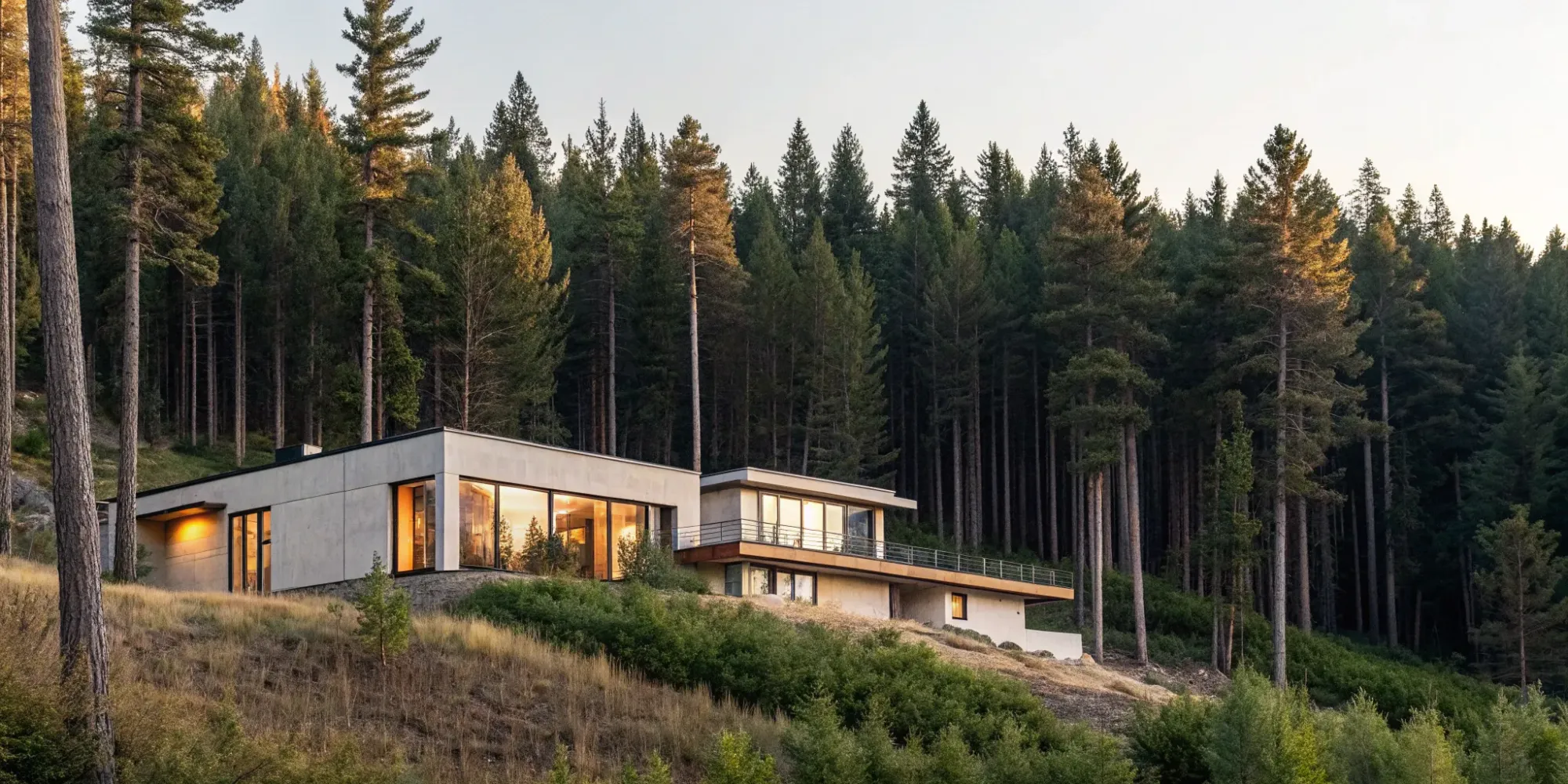
Building a Home in a Wildfire Zone: An Essential Guide
October 16, 2025 · 19 min read
The conversation around wildfires has shifted. It’s no longer just about reacting to a threat, but about proactively creating homes that can withstand one. When you’re building a home in a wildfire zone, every choice—from the slope of your driveway to the type of vents you install—becomes an opportunity to add a layer of protection. This isn’t about building a bunker; it’s about integrating intelligent design and proven materials to create a structure that is fundamentally safer. This guide will walk you through the essential strategies for home hardening, smart landscaping, and creating a defensible space, giving you the confidence that your investment is built to last.
Key Takeaways
- Prioritize Pre-Construction Planning: The most critical safety decisions happen before you break ground. Confirm your design meets local building codes, uses insurable materials, and accounts for your property's specific wildfire risk to prevent costly changes later.
- Create a Non-Combustible Shell: Your home's best defense is a hardened exterior. Use fire-resistant materials for your roof, siding, and vents, and maintain a five-foot, fuel-free zone around the foundation to deny embers a place to ignite.
- Make Resilience an Ongoing Habit: Your work isn't done after construction. Keep your home safe by regularly cleaning your roof and gutters, maintaining your defensible space through landscaping, and testing your internal safety systems.
Building in a Wildfire Zone: What to Know First
Building a home in a wildfire-prone area comes with a unique set of challenges. Before you break ground, it’s essential to address three key areas: risk, codes, and insurance. Getting these fundamentals right from the start will guide every decision you make, from your home’s location on the property to the materials you choose. This initial planning is the most important step toward building a home that’s not just beautiful, but resilient and secure.
Assess Your Property’s Risk
First, you need to understand the specific wildfire risk your property faces. This isn’t about fear—it’s about being informed so you can build smarter. Every lot is different, and your home’s vulnerability depends on several key elements. The surrounding landscape, the slope of your land, and the types of vegetation nearby all play a significant role. Understanding the drivers and impacts of wildfire seasons can help you see the bigger picture. Local fire departments or state forestry agencies often provide risk assessment maps and resources that give you a clear look at your property. This knowledge is your best tool for making strategic decisions.
Know the Essential Building Codes
Building codes can feel like a maze of regulations, but in a wildfire zone, they are your roadmap to safety. These rules aren't just suggestions; they are a framework for resilience. Local and state governments have established specific wildfire hazard-related building codes designed to give your home a fighting chance. These codes will dictate everything from the type of roofing material you can use to the design of your vents. Getting familiar with these requirements early is essential. It ensures your design is compliant from the start, preventing costly changes and delays during construction.
Meet Insurance Requirements
In the past, home insurance was a simple step. Today, especially in high-risk areas, it’s a major hurdle. With the rise of billion-dollar weather disasters, insurers are becoming more selective, leading to increased insurance costs and stricter standards. Don’t wait until your home is built to figure out if it’s insurable. Talk to an insurance agent before you finalize your plans. Show them your designs and material choices. They can tell you what features will make your home easier to insure—and which ones might be red flags. Getting this sorted out upfront gives you peace of mind.
Choose Fire-Resistant Building Materials
When you’re building in a wildfire-prone area, your choice of materials is one of the most critical decisions you’ll make. It’s not just about withstanding direct flames; the bigger threat often comes from wind-blown embers that can travel for miles and ignite vulnerable spots on your home. Selecting noncombustible or fire-resistant materials for every part of your home’s exterior is your best defense. This approach, often called "home hardening," creates a protective shell that makes it much harder for a wildfire to take hold. From the roof over your head to the deck under your feet, every detail matters.
Protect Your Roof and Exterior Walls
Your roof is your home's first line of defense against falling embers, making it the most important component to harden. Always opt for Class A fire-resistant materials like asphalt fiberglass shingles, concrete or clay tiles, or metal roofing. Just as crucial is what’s underneath, so be sure to use a fire-rated underlayment. For your exterior walls, choose noncombustible siding materials like fiber-cement, stucco, or brick. These options resist ignition far better than wood or vinyl siding, which can easily catch fire or melt. By focusing on these large surfaces, you create a strong, continuous barrier that can significantly reduce the risk of your home catching fire from airborne embers.
Secure Your Windows and Doors
Windows and doors are vulnerable openings in your home’s exterior. Intense heat can cause single-pane glass to break, giving embers a direct path inside. To prevent this, install dual-paned windows with at least one pane of tempered glass, which is much more resistant to shattering from heat. For the frames, choose materials with high heat resistance, such as aluminum-clad wood or fiberglass, instead of vinyl, which can warp and melt. Don’t forget about your garage door—a large, uninsulated metal door can transfer a dangerous amount of heat. Opt for a fire-rated, insulated garage door to keep that potential weak point secure and protect the contents of your garage.
Install Ember-Resistant Vents
Vents are necessary for attic and foundation airflow, but standard mesh screens do little to stop tiny, glowing embers from getting inside. Once in your attic, embers can easily ignite insulation, stored items, and the wooden structure of your roof. The solution is to install modern, ember-resistant vents. Some designs use a fine, corrosion-resistant mesh that blocks embers, while others feature baffles or intumescent coatings that swell up and seal the vent when exposed to high heat. Replacing standard vents with these special 'ember-proof' vents is a relatively small upgrade that provides a huge amount of protection for your home’s interior spaces.
Build Safer Decks and Outdoor Structures
A wooden deck attached to your house can act like a fuse, carrying fire directly to your exterior walls. If you’re building a deck, use noncombustible or ignition-resistant materials. While composite decking is a popular choice, it can melt and burn in high heat, so consider pairing it with a steel frame and substructure for added safety. It’s also essential to enclose the underside of the deck with a noncombustible material or fine metal mesh. This simple step prevents flammable leaves, pine needles, and other debris from accumulating underneath, removing a potential fuel source that sits right next to your home’s foundation and siding.
Balance Material Costs with Long-Term Value
It’s true that fire-resistant materials can cost more upfront than standard options. However, it’s important to view this as an investment in your home’s safety and longevity. These durable materials often require less maintenance and can improve your home’s energy efficiency, leading to savings over time. More importantly, building a resilient home can make it easier and more affordable to insure, especially in a high-risk area where insurers are looking for proactive risk reduction. By prioritizing safety in your building plan, you’re not just protecting your property from fire—you’re also protecting its long-term financial value and giving yourself invaluable peace of mind.
Design a Smarter, Safer Home
Beyond choosing the right materials, the layout and design of your property play a huge role in its resilience. A well-designed home isn't just beautiful—it's a strategic defense against wildfire. This means thinking about everything from where the house sits on your lot to how easily emergency services can reach it. Smart design choices can dramatically reduce your home's vulnerability by creating a safer, more defensible environment before a threat ever appears. By integrating safety into the blueprint, you build peace of mind directly into your foundation.
Position Your Home Strategically
The placement of your house is your first line of defense. Experts focus on the 100-200 feet surrounding your home, often called the home ignition zone. This is the area where you have the greatest control over what might fuel a fire. When designing your site plan, consider setting the house back from steep slopes, where fire can travel much faster. Also, think about prevailing wind directions and orient the home to minimize exposure. The goal is to create a buffer, making it harder for a wildfire to reach your structure. A thoughtful site plan is a critical step in building an ignition-resistant home.
Plan Fire-Safe Access Routes
In an emergency, every second counts. Clear, accessible routes are crucial for both your family’s safe evacuation and for firefighters arriving to defend your property. Your driveway should be wide enough to accommodate large emergency vehicles, with a clear vertical clearance free of low-hanging branches. If you have a long driveway, consider adding pull-outs for vehicles to pass. It’s also wise to have more than one exit route from your property. Planning these escape routes ahead of time is a simple design choice that can make all the difference during a crisis.
Secure a Reliable Water Supply
Water is essential for firefighting, and you can't always rely on the municipal supply during a wildfire. Integrating a dedicated water source into your property design provides a critical backup. This could be a swimming pool, a large water tank, or a pond with a dry hydrant connection for fire department use. Make sure these sources are clearly marked and accessible to emergency responders. While not a design element, having supplies like fire-retardant gel on hand can also offer an extra layer of protection for your home’s surfaces if a fire is approaching.
Integrate Emergency Systems
A resilient home is self-sufficient. Wildfires often cause power outages, so designing for a backup power source, like a generator or solar-plus-battery system, is a smart move. This ensures your well pump, refrigerator, and communication devices keep working. You can also integrate exterior sprinkler systems that can be activated to wet down your home and the immediate area. Inside, having a well-rehearsed wildfire action plan and prepared "go-bags" for every family member ensures you’re ready to act quickly when an alert is issued.
Design for Clean Air and Ventilation
Wildfire smoke can pose a serious health risk, and it can easily enter your home through vents. When designing your home, use ember-resistant vents that are designed to block wind-blown embers from entering your attic or crawlspace. It’s also important to plan for indoor air quality. A high-quality HVAC system with a MERV 13 or higher filter can capture fine smoke particles, creating a safe breathing environment for your family. Sealing gaps around windows and doors will also help keep smoke from seeping inside.
Create Your Defensible Space
Creating a defensible space is one of the most effective ways to protect your home from a wildfire. Think of it as a buffer zone you create between your house and the surrounding landscape. This isn't about clear-cutting your property; it's about smart landscaping and maintenance that can slow or even stop a fire's spread. By managing the vegetation and materials around your home, you give firefighters a chance to defend it and reduce the risk of embers igniting the structure. This space is typically divided into three zones, each with its own set of priorities. Taking the time to establish and maintain these zones is a critical investment in your home’s long-term safety and resilience. Let’s walk through how to create a strong, defensible perimeter, step by step.
Establish the 5-Foot Non-Combustible Zone
The five feet immediately surrounding your home is the most vulnerable area. This is where wind-blown embers often land and accumulate, making it the most likely place for a fire to start. Your goal here is to create a "non-combustible zone" by removing anything that could easily catch fire. Start by clearing away all plants, shrubs, and flammable mulch like wood chips or pine straw. Replace them with non-combustible materials like gravel, pavers, or concrete. This simple change can make a huge difference. It’s also essential to ensure this area is free of stored firewood, outdoor furniture, or any other flammable items that could act as fuel right next to your house.
Clear the 30-Foot Primary Defense Zone
Extending from the 5-foot zone out to 30 feet from your home is your primary defense area. The focus here is on reducing fuel and creating separation between potential fire sources. Plan your landscaping to slow a fire down, not fuel it. Trim any tree branches that hang over your roof or come within 10 feet of your chimney. If you have a wood fence that connects directly to your house, consider replacing the section closest to the structure with a metal gate or non-combustible fencing material. This creates a break that can stop a fire from traveling along the fence line and reaching your home, a key step in designing ignition-resistant homes.
Maintain the 100-Foot Extended Buffer
From 30 feet out to at least 100 feet is your extended buffer zone. The objective in this area is to interrupt a fire's path and keep flames smaller and closer to the ground. You don't need to remove all trees, but you should ensure they are spaced adequately apart. A good rule of thumb is to have at least 10 feet of space between the canopies of mature trees. Prune lower branches to a height of 6 to 10 feet from the ground to prevent a surface fire from climbing into the treetops. Regularly remove fallen leaves, needles, and dead vegetation to reduce the amount of available fuel on the ground.
Select Fire-Resistant Landscaping
The plants and materials you choose for your yard play a major role in your home's defense. When planning your landscape, opt for fire-resistant plants that have high moisture content and are less likely to ignite. Avoid plants with resins, oils, or waxy leaves. Instead of using flammable bark mulch near your home, choose non-combustible options like pea gravel or decorative rock. Proper spacing is also crucial; arrange trees, shrubs, and other plants in small, separated clusters to prevent a continuous path for fire. These landscaping choices are a fundamental part of building wildfire-resistant homes that are both beautiful and safe.
Follow a Simple Maintenance Plan
Creating a defensible space isn't a one-and-done project—it requires ongoing attention. A simple maintenance plan will help you keep your property safe year-round. Make it a habit to regularly clean your roof and gutters, removing any buildup of leaves, pine needles, and other debris where embers could easily ignite. Walk your property seasonally to remove dead plants, fallen branches, and dry grass. Keep your lawn mowed and watered, as healthy, green grass is less flammable. By integrating these tasks into your regular home maintenance routine, you ensure your defensible space remains effective when you need it most.
Bring Your Plan to Life
With your designs finalized and materials chosen, it’s time to move from blueprint to reality. This phase is all about execution and verification. Bringing your plan to life correctly ensures that all your careful planning results in a home that is safe, compliant, and insurable. It involves assembling the right team, sticking to the rules, and getting expert confirmation every step of the way. Taking these final steps seriously is what separates a well-designed plan from a truly resilient home.
Select a Qualified Contractor
Choosing the right builder is one of the most critical decisions you’ll make. You need a contractor with proven experience in wildfire-resistant construction, not just someone who can build a beautiful house. Ask potential contractors for a portfolio of homes they’ve built in high-risk areas and speak with their references. A qualified builder will be familiar with fire-safe building codes, materials, and landscaping practices. They should be a partner who understands the unique challenges of your location and can execute your vision without compromising on safety.
Ensure Building Code Compliance
Building codes aren’t just bureaucratic hurdles; they are a critical framework for safety. Compliance with updated building codes designed for wildfire-prone areas is non-negotiable. These regulations specify requirements for everything from fire-resistant materials to the creation of defensible space around your home. Adhering to them is essential for protecting your property and ensuring it can be insured. Your contractor should be well-versed in local and state codes, and all work must meet or exceed these standards. Double-checking compliance before and during construction can save you from costly revisions and give you peace of mind.
Get Your Plans Reviewed
Before breaking ground, get a second opinion on your plans from a qualified expert. An independent review can catch potential issues that may have been overlooked, ensuring your design is as fire-resilient as possible. Services like WiserBuild specialize in reviewing plans for code compliance, material choices, and insurability. You can also engage local fire officials to review your building plans, as they can offer valuable insights into local conditions and safety requirements. This proactive step confirms that your design meets all necessary standards before construction becomes more difficult and expensive to change.
Coordinate with Your Insurer
Don’t wait until your home is built to have a detailed conversation with your insurance provider. Your insurer needs to be a key partner throughout the process. Share your building plans and material lists with them early on to confirm that your home will meet their requirements for coverage in a high-risk area. Understanding the specifics of your policy is crucial, especially given the unique risks associated with building in these zones. This alignment ensures you won’t face any surprises when it’s time to secure your policy and that your investment is properly protected.
Prepare for Final Inspections
The final inspection is your last checkpoint to verify that your home was built to the required safety standards. An inspector will confirm that all construction follows the approved plans and adheres to building codes. This includes verifying that all specified wildfire mitigation measures have been correctly implemented, from the vents on your roof to the clearance around your home. Passing this inspection is the official confirmation that your home is ready for occupancy and stands as a testament to your commitment to building a safer, more resilient property.
Incorporate Essential Safety Features
Beyond the core structure of your home, several key systems and features can make a life-or-death difference during a wildfire. These aren't just add-ons; they are integral parts of a resilient design. From early detection to emergency resources, incorporating these safety features gives you and your family more control when it matters most. They also provide first responders with the tools they need to help protect your property. Thinking through these systems during the design phase ensures they are seamlessly integrated, functional, and ready when you need them.
Install Reliable Fire Detection Systems
An early warning is your first line of defense. Equipping your home with a comprehensive fire detection system can give you precious minutes to evacuate safely. This goes beyond standard interior smoke alarms. Consider installing interconnected heat detectors in attics, garages, and crawl spaces where fires can start unnoticed. For even greater protection, exterior systems can detect the high heat of an approaching wildfire before it reaches your home. Given the significant public health impacts of severe wildfires, investing in reliable fire detection systems is a non-negotiable part of building in a high-risk area.
Plan for Power Backups
Wildfires and power outages often go hand in hand, as utility companies may shut off power to prevent further fire spread or lines may be damaged. Unfortunately, an outage can disable critical systems like your well pump, communication devices, and fire alarms. Planning for power backups is crucial. A backup generator (either portable or a whole-house standby unit) or a battery backup system can keep your lights on and essential equipment running. Since power outages are common during these events, having a reliable secondary power source ensures your safety systems remain fully operational.
Design for Emergency Access
In an emergency, every second counts. Your property needs to be easily accessible for first responders and easy for you to evacuate from. This means designing wide, clear driveways with enough turnaround space for large fire trucks. Avoid steep grades, sharp turns, and narrow passages that could hinder access. If possible, plan for more than one entry and exit route from your property. Clear signage with your address is also vital. Designing your home with emergency access in mind from the very beginning can significantly improve safety for everyone.
Consider On-Site Water Storage
During a major wildfire, municipal water pressure can drop, making hydrants unreliable. Having your own water source can be a critical asset for protecting your home. An on-site water storage system—such as a large dedicated water tank, a swimming pool with a fire pump connection, or a cistern—provides a reserve for you or firefighters to use. Make sure any connections are compatible with local fire department equipment. This independent water supply gives you a powerful tool for defense when outside resources are stretched thin.
Choose the Right Ventilation System
Embers are a leading cause of home ignition during a wildfire. These small, burning particles can travel a mile or more ahead of the main fire and enter your home through vents. Standard mesh screens are often not enough to stop them. Installing ember-resistant vents is a simple but highly effective upgrade. These vents are designed with a finer mesh or a baffle system to block embers while still allowing for proper airflow. A proper ventilation system can help prevent embers from entering your attic and crawl spaces, which is vital for reducing your home’s vulnerability.
Maintain Your Home for Long-Term Safety
Building a fire-resistant home is a huge accomplishment, but the work doesn’t stop once construction is complete. Just like any other aspect of homeownership, proactive maintenance is the key to ensuring your home remains safe and resilient for years to come. Creating simple, repeatable habits will help you protect your investment and, more importantly, your family. By staying on top of a few key areas, you can maintain your home’s defenses and give yourself lasting peace of mind.
Create a Regular Inspection Schedule
Setting aside time for regular home inspections helps you catch potential vulnerabilities before they become serious problems. At least twice a year, walk around your property and look closely at your home’s exterior. Check for any gaps or cracks in your siding and foundation where embers could get trapped. Inspect your ember-resistant vents to make sure they are clean and free of debris. You should also confirm that all your fire-resistant materials are intact and in good condition. A quick visual check can make all the difference in how well your home withstands a wildfire event.
Complete Seasonal Maintenance Tasks
Seasonal upkeep is one of the most effective ways to reduce your home’s fire risk. In the fall and spring, make it a priority to clean out your gutters and remove any accumulated leaves, pine needles, or other debris from your roof. These materials act as kindling, creating a direct path for fire to reach your home. This is also a great time to inspect your decks and fences, clearing away any flammable materials that have gathered underneath. These simple maintenance tasks are essential for keeping your home’s immediate surroundings clear and safe.
Keep Up with Landscaping
Your yard is the first line of defense against wildfire, so consistent landscaping is non-negotiable. The goal is to create and maintain a defensible space that slows a fire’s spread. Regularly clear away flammable vegetation and debris within the first five feet of your home’s foundation. Beyond that, keep trees and shrubs properly spaced and pruned to prevent fire from climbing from the ground into the canopy. Following a simple maintenance plan for your yard helps ensure you are consistently preparing your home for wildfire and reducing its overall vulnerability.
Test Your Safety Systems Regularly
The safety systems inside your home are just as important as its external defenses. Get into the habit of testing your smoke detectors, fire alarms, and sprinkler systems at least once a month to ensure they are working correctly. Check and replace the batteries in your detectors twice a year—a good time to do this is when you change your clocks for daylight saving time. Knowing that your internal alert systems are fully functional provides a critical layer of security and can give you vital extra moments to react in an emergency. This is a simple step for protecting your home that you can’t afford to skip.
Keep Important Documents Organized
In the event of an evacuation, you’ll need to move quickly. Having your essential documents organized and ready to go can reduce stress in a high-pressure situation. Designate a secure, easily accessible spot for items like insurance policies, birth certificates, passports, and property deeds. Consider creating digital copies and storing them on a password-protected cloud service or an external hard drive that you can grab in a hurry. As more people are learning to live with fire, having a well-organized "go-kit" with your documents and other emergency supplies is becoming an essential part of homeownership in high-risk areas.
Related Articles
- How to Build a Wildfire Proof House: A Guide
- 7 Key Elements of Fire-Resistant House Plans
- Fireproof Home Design: A Step-by-Step Guide
- How to Fireproof Your Home: A California Guide
WiserBuild CTA Button
Frequently Asked Questions
Does building a fire-resistant home cost a lot more? While some fire-resistant materials have a higher upfront cost, it's best to think of it as an investment in your home's durability and security. These materials often last longer and require less maintenance, which saves you money over time. More importantly, building a home that an insurer sees as a lower risk can make it easier and more affordable to get coverage. The peace of mind that comes from knowing you’ve built the safest home possible is truly invaluable.
If my budget is tight, what are the most critical upgrades for wildfire safety? If you have to prioritize, focus on the things that offer the most protection against embers, which cause most home ignitions. Start with a Class A fire-rated roof, as it's your home's largest and most exposed surface. Next, replace standard vents with modern, ember-resistant models to keep embers out of your attic and foundation. Finally, establish a clean, non-combustible zone in the first five feet around your home's perimeter. These three steps create a powerful defense system.
My home is already built. Can I still apply these principles to make it safer? Absolutely. While it's easiest to incorporate these features during a new build, you can make a huge difference by retrofitting an existing home. Start with creating and maintaining your defensible space, as that's one of the most effective actions you can take. From there, you can upgrade your home in phases. Consider replacing old vents, installing dual-pane tempered glass windows, or even re-siding a portion of your home with a noncombustible material when it's time for a refresh.
Does creating a defensible space mean my yard has to be just rocks and dirt? Not at all. A fire-safe landscape can still be beautiful and full of life. The goal isn't to clear-cut your property but to be strategic about what you plant and where you plant it. Focus on creating separation between trees and shrubs, pruning lower branches, and choosing high-moisture, fire-resistant plants. You can use attractive hardscaping like gravel paths and stone retaining walls to break up vegetation and create a landscape that is both safe and inviting.
What if I follow all these steps and still struggle to find affordable home insurance? This is a real challenge in many high-risk areas. The key is to be proactive and thorough in your communication with insurers. Document every fire-resistant feature and maintenance activity you complete, complete with photos and receipts. Getting an independent review of your building plans or a risk assessment of your completed home can also provide the third-party validation that insurers need. This shows them you have taken concrete, verifiable steps to reduce risk, which can make all the difference.