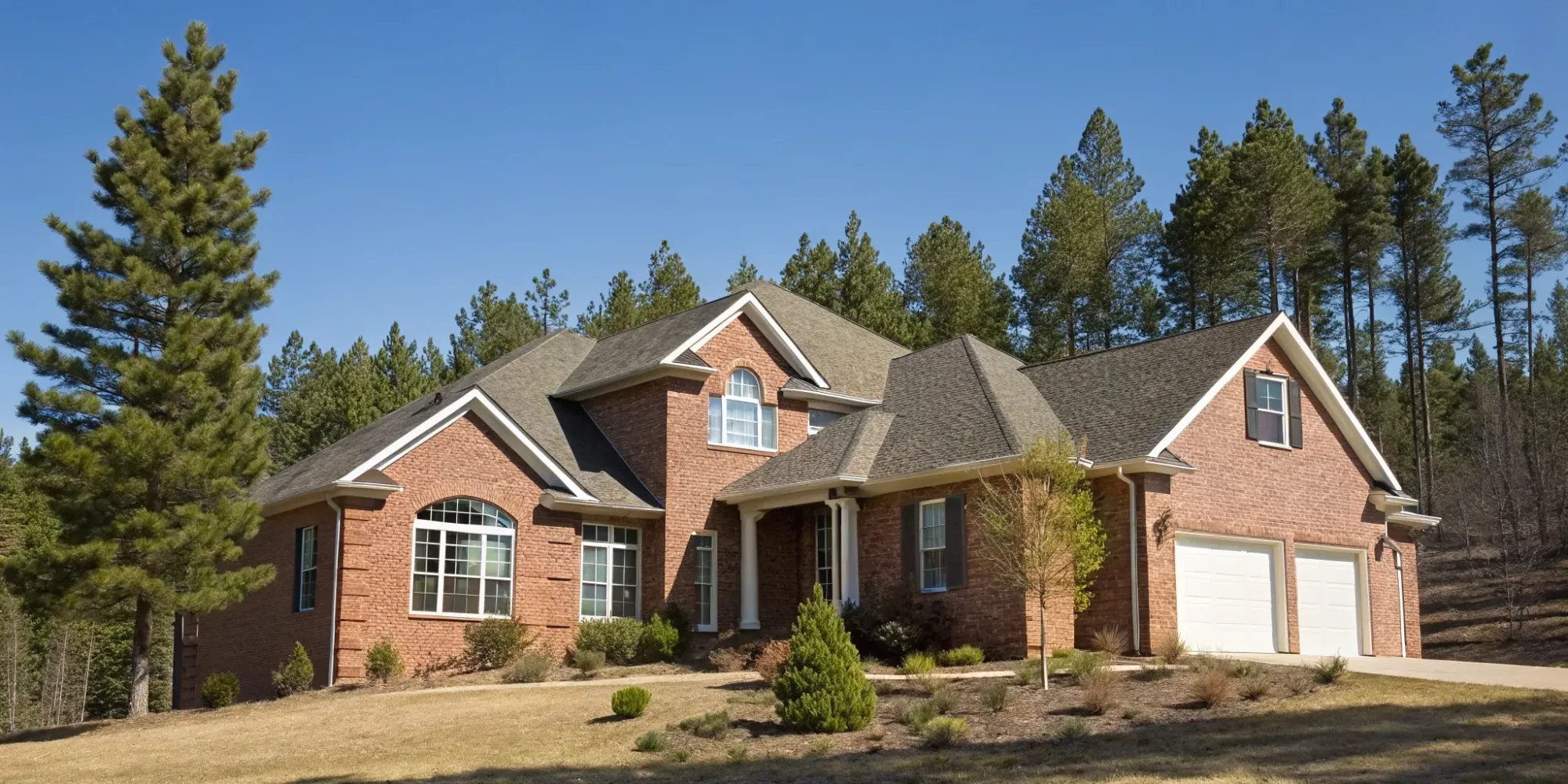
Fire Brick Versus Vinyl Siding: A Full Comparison
December 26, 2025 · 18 min read
Building a home in a high-risk area involves more than just choosing a floor plan. You have to consider stringent building codes and the practical realities of getting your property insured. Your choice of siding is a key factor that directly influences both of these critical steps. Some materials make it easier to gain compliance and secure favorable insurance rates, while others can create unexpected hurdles. This is especially true when comparing fire brick versus vinyl siding. We’ll explore how each material is viewed by building officials and insurance carriers, so you can make a choice that ensures safety, simplifies approvals, and protects your investment.
Key Takeaways
- Fire Resistance Is Non-Negotiable in High-Risk Areas: Your siding is a critical safety feature. Fire brick is non-combustible and can give you over an hour of protection during a fire, while vinyl siding can melt and fail in under 30 minutes, a crucial difference when every second counts.
- Look Beyond the Upfront Price Tag: While vinyl is cheaper to install, fire brick is a long-term investment that pays for itself. Its incredible durability, minimal maintenance, and potential for lower insurance premiums make it a smarter financial choice over the life of your home.
- Build for Lasting Strength and Durability: Fire brick offers superior resistance to physical impacts from hail, wind, and debris, protecting your home's structure for generations. Vinyl is a lightweight covering that is more susceptible to damage and will likely require repairs or replacement over time.
What Are Fire Brick and Vinyl Siding?
Choosing the right siding for your home is a big decision, especially when you live in an area where resilience matters most. It’s not just about curb appeal; it’s about safety, durability, and long-term peace of mind. Two of the most common options you’ll encounter are fire brick and vinyl siding. While they both protect your home from the elements, they perform very differently under pressure, particularly when it comes to fire. Let’s break down what each material is and what it offers so you can make a confident choice.
Understanding Fire Brick
Fire brick, often called refractory brick, is engineered specifically to handle extreme heat. Think of it as a super-durable version of standard brick, made from materials that give it exceptional fire resistance. Its core strength is that it’s a non-combustible material, meaning it won’t catch fire. This is a critical feature for homes in high-risk zones. In the event of a wildfire, a brick exterior can provide a crucial barrier, giving you and your family more time. In fact, studies show that a brick structure can offer up to 1.5 hours of protection before a fire can breach the walls. Beyond its fire performance, fire brick is known for its incredible durability and long lifespan.
Understanding Vinyl Siding
Vinyl siding is one of the most popular exterior choices for homes, largely because it’s affordable, comes in many colors, and requires very little maintenance. For many homeowners, these benefits make it an attractive option. It’s made from PVC (polyvinyl chloride) plastic, which holds up well against rain and wind. However, its performance in extreme heat is a serious consideration. Unlike brick, vinyl siding can melt and even ignite when exposed to high temperatures from a nearby fire. It can also crack or warp under harsh weather conditions over time. Another important safety factor is that when vinyl burns, it can release harmful fumes, which is a risk during a house fire.
Which Siding Lasts Longer? A Look at Durability
When you’re choosing siding, you’re making a long-term investment in your home’s protection and appearance. Durability isn’t just about how many years a material will last—it’s about how well it holds up to everything life throws at it. From harsh weather and intense sun to accidental impacts from hail or a stray baseball, your siding is your home’s first line of defense.
The right choice can mean decades of peace of mind with minimal upkeep, while a less durable option might require frequent repairs or even a full replacement sooner than you’d like. Let’s break down how fire brick and vinyl siding compare when it comes to standing the test of time.
How Fire Brick Stands Up to Weather
Brick is one of the oldest and most trusted building materials for a reason: it’s incredibly resilient. It can last for generations with very little maintenance because it doesn't rot, fade, or get eaten by pests. Brick easily withstands high winds, heavy rain, and harsh sunlight without showing its age. This inherent strength gives homes a classic, timeless look that remains beautiful for decades. Because it’s so tough, you won’t have to worry about repainting it or dealing with the kind of wear and tear that affects other materials. It’s a true set-it-and-forget-it option for homeowners who value longevity.
The Lifespan of Vinyl Siding
Vinyl siding is a popular choice, but its lifespan is often shorter and more dependent on its environment. Unlike brick, vinyl can be damaged by weather, becoming brittle in extreme cold or warping in high heat. This can lead to cracking and other issues that compromise its protective qualities. Over time, its color can also fade from sun exposure, and it’s susceptible to damage from pests. While vinyl can be a cost-effective solution upfront, it generally requires more attention and is more likely to need repairs or replacement within a couple of decades, especially in regions with severe weather patterns.
Comparing Impact Resistance
When it comes to resisting physical force, there’s no contest. Brick is significantly stronger than vinyl. It can handle major impacts from things like hail, falling branches, and everyday bumps without denting or cracking. Vinyl, on the other hand, can easily be punctured or cracked by similar events. This difference is even more critical in an emergency. In a fire, brick provides 1.5 hours of protection before the flames can breach your home. Vinyl siding offers less than 30 minutes of resistance before it melts and fails. For homeowners in high-risk areas, that extra time can make all the difference.
How Do They Perform in a Fire?
When you live in an area prone to wildfires, the siding you choose is more than an aesthetic decision—it’s a critical layer of defense for your home and family. How a material reacts to extreme heat and flames can determine whether your home survives an emergency. Fire brick and vinyl siding have vastly different properties when put to the test, and understanding these differences is key to building a more resilient home. Let’s look at how each material holds up under fire conditions and what that means for meeting local building codes.
Fire Brick: A Non-Combustible Choice
Brick is a straightforward and powerful choice for fire resistance because it’s a non-combustible material. Simply put, it doesn’t burn. When exposed to high heat or direct flames, brick siding won’t ignite or melt away, giving your home a crucial barrier against fire. This performance isn't just theoretical; it translates into valuable time. On average, a brick exterior can provide about 1.5 hours of protection before a fire can breach your home’s structure. In contrast, materials like vinyl and fiber cement often fail in under 30 minutes. That extra time can make all the difference for emergency responders to arrive and for your family to stay safe.
Vinyl Siding: Understanding the Risks
Vinyl siding is a plastic product, and it behaves like one in a fire. While it’s treated with fire retardants to prevent it from sustaining a flame on its own, it will melt and warp when exposed to significant heat. According to FEMA, vinyl siding will melt easily, which can expose the underlying structure of your home to flames much faster. This can allow a fire to spread quickly into the walls. When vinyl does ignite from an external fire source, it can also release hazardous fumes. While many burning materials release fumes, the rapid failure of vinyl siding under heat is a significant risk factor, especially in areas where every minute of structural integrity counts.
Meeting Fire Codes in High-Risk Areas
If you’re building or remodeling in a high-risk area, your local building codes will likely have strict requirements for exterior materials. Choosing fire-resistant siding isn’t just a good idea; it’s often mandatory for compliance and insurability. Materials like brick and stone veneer are consistently recommended for their superior fire resistance, helping you meet or exceed these stringent codes. Opting for a non-combustible material like brick from the start simplifies the approval process and gives you confidence that your home is built to withstand potential threats. It’s a foundational choice that enhances safety and aligns with the resilience standards that insurers and building departments look for.
What Upkeep Is Required?
When you’re choosing siding, it’s easy to focus on the upfront cost and how it looks on day one. But the real cost and effort come into play over the years. How much time and money will you spend cleaning, repairing, and eventually replacing your siding? The difference between fire brick and vinyl is significant. One is a "set it and forget it" material, while the other requires a bit more attention to keep it looking its best and performing well. Thinking about long-term maintenance isn't just about your budget; it's about your peace of mind, especially in areas where weather can be harsh and unpredictable.
Maintaining Fire Brick Siding
If you’re looking for a low-maintenance relationship with your home’s exterior, fire brick is an excellent choice. Brick is incredibly resilient and can last for generations with very little upkeep. You won’t have to worry about the color fading from sun exposure or the material warping during a heatwave. For the most part, brick siding takes care of itself. An occasional rinse with a garden hose is usually all that’s needed to wash away dirt and dust. This durability makes it a practical, long-term investment that frees you up to focus on other things instead of a constant cycle of exterior home maintenance.
Cleaning and Repairing Vinyl Siding
Vinyl siding, on the other hand, requires a more hands-on approach. To keep it looking fresh, it needs regular cleaning to remove the inevitable buildup of dirt, mold, and algae, especially in damp or shaded areas. If a section gets damaged by a storm or an errant baseball, you’ll need to repair or replace it to prevent moisture from getting behind the siding. It’s also worth noting that improper installation can cause a host of problems down the road, from warped panels and flapping pieces to moisture damage, all of which will need to be corrected to protect your home’s structure.
Factoring in Long-Term Replacement
While vinyl siding can hold its own against normal weather for a while, it has its limits. Under extreme conditions like intense heat or severe cold, it can become brittle, crack, or warp over time. This means you should plan for its eventual replacement as part of your home's long-term maintenance budget. Fire brick, by contrast, is a better long-term choice for most homeowners because it simply doesn't have a replacement cycle. Its strength and durability mean you install it once, and it protects your home for a lifetime. This resilience not only saves you money over the decades but also adds lasting value to your property.
Comparing the Costs: Upfront vs. Long-Term
When you’re looking at siding, the price tag is just the beginning. The true cost of a material unfolds over decades, factoring in everything from maintenance and energy bills to home insurance. It’s a classic case of spending more now to save more later. Let's break down how brick and vinyl siding stack up financially, both on day one and for the long haul, so you can see the full picture. Understanding these differences is key to making a choice that fits your budget not just today, but for the entire life of your home.
The Initial Investment
There’s no getting around it: brick has a higher upfront cost. On average, vinyl siding runs about $2 per square foot for the material, while brick can range anywhere from $4 to $10 per square foot. That means even the most affordable brick option is double the initial material cost of vinyl. This is a significant factor for many budgets and can be the deciding point if you're focused purely on the construction bill. However, it's also worth remembering that brick is a classic building material known for its strength and timeless appeal, which adds a different kind of value right from the start.
How Maintenance and Energy Affect Your Budget
This is where the long-term math starts to favor brick. Brick siding is incredibly low-maintenance. You won’t need to paint it, and it resists fading, warping, and damage from pests. Vinyl, on the other hand, requires regular cleaning to handle dirt and mold, and it can be dented or cracked by impacts or extreme weather, leading to repair costs. Beyond upkeep, brick can also help you save on energy bills. Its natural thermal mass helps keep your home cooler in the summer and warmer in the winter. These long-term benefits in maintenance and energy savings can offset the higher initial price over the life of your home.
The Impact on Your Home Insurance
For homeowners in high-risk areas, this is a critical piece of the puzzle. Insurance carriers base your premiums on risk, and your choice of siding directly impacts that calculation. Brick is a non-combustible material, giving it superior fire resistance. Vinyl siding, in contrast, can melt and even ignite when exposed to extreme heat. In a fire, brick can provide up to 1.5 hours of protection before the flames breach your home, while vinyl offers less than 30 minutes. This significant difference in performance can make your home more attractive to insurers, potentially leading to more favorable insurance rates and better coverage options, especially in wildfire-prone regions.
Which Siding Is More Energy-Efficient?
Choosing the right siding isn't just about looks or durability; it's also a major factor in your home's energy efficiency. The material you wrap your house in can have a real impact on your monthly heating and cooling bills and your overall comfort. Both brick and vinyl offer paths to a more energy-efficient home, but they get there in very different ways.
Brick works as a thermal battery for your house. It absorbs heat from the sun during the day and releases it slowly overnight. This process helps keep your home's internal temperature more stable, reducing the strain on your HVAC system. Vinyl, on the other hand, relies on modern technology. While standard vinyl siding offers minimal insulation, insulated vinyl siding includes a layer of rigid foam that acts as a continuous blanket around your home, preventing heat from escaping in the winter or seeping in during the summer. Understanding how each material performs can help you make a choice that aligns with your climate and energy-saving goals.
How Fire Brick Helps Regulate Temperature
Brick is a fantastic natural insulator because of its high thermal mass. Think of it like a stone pizza oven—it takes a while to heat up, but once it does, it holds that heat for a long time. During a hot day, the brick exterior absorbs the sun's heat, preventing it from quickly reaching your interior walls. Then, as the evening cools down, the brick slowly releases that stored heat. This natural temperature regulation means your air conditioner doesn't have to work as hard. In the winter, the same principle applies, as the brick helps retain your home's warmth, creating a more comfortable and energy-efficient living space year-round.
The Insulating Value of Vinyl Siding
Standard vinyl siding on its own doesn't offer much in the way of insulation. However, insulated vinyl siding is a different story entirely. This product comes with a backing of rigid foam insulation that fits snugly against your home's sheathing. This creates a thermal bridge, reducing heat loss through the wall studs and helping to seal your home's envelope. The added layer of insulation can significantly increase your wall's R-value, which is the measure of its resistance to heat flow. For homeowners looking to improve their home's energy performance, insulated vinyl is an effective option that combines the low-maintenance benefits of vinyl with a serious efficiency upgrade.
Lowering Your Heating and Cooling Bills
Ultimately, the goal of energy-efficient siding is to lower your utility bills. Both fire brick and insulated vinyl siding can help you achieve this. Brick’s thermal mass provides steady, passive temperature control that reduces peak energy demand, which is especially valuable in climates with wide temperature swings between day and night. Insulated vinyl provides a consistent barrier against heat transfer, which is highly effective in both very hot and very cold climates. An energy-efficient exterior not only saves you money but can also increase your home's value. When you're planning your build or remodel, considering how your siding choice affects your long-term heating and cooling costs is a smart financial move.
What Does Installation Involve?
The look and feel of your home's exterior are important, but how it gets there matters just as much. The installation process for fire brick and vinyl siding differs significantly in terms of time, cost, and complexity. Understanding these differences is key to planning your project, managing your budget, and ensuring your home is built on a solid footing from the start. Let’s break down what you can expect when installing each material.
The Process for Installing Fire Brick
Installing fire brick is a job for skilled professionals. Because each brick is heavy and bulky, the process is physically demanding and requires precision to ensure the siding is structurally sound and looks uniform. This isn't a weekend DIY project; it involves mixing mortar, carefully laying each brick, and managing the significant weight of the material. The labor-intensive nature means installation takes longer and costs more than siding. You'll need to budget for a team of experienced masons who have the right tools and expertise to handle the job safely and correctly, ensuring your home's exterior will last for decades.
How Vinyl Siding Is Installed
In contrast, installing vinyl siding is a much faster and more straightforward process. The material is lightweight and manufactured in panels that are designed to lock together easily. This simplicity means the installation can often be completed by a smaller crew in a fraction of the time it takes to lay brick. Because it requires less specialized labor, the installation costs are significantly lower. This accessibility makes vinyl a popular choice for homeowners and builders working with a tighter budget or timeline. While some experienced homeowners might attempt it themselves, hiring a professional installer ensures the siding is properly fitted to protect your home from moisture.
Do You Need a Stronger Foundation?
Yes, the choice of siding directly impacts your home's structural needs. Fire brick is incredibly heavy and adds a substantial load to your home's frame. To support this weight, your home must have a robust foundation, often requiring specific footings or a reinforced concrete slab designed by a structural engineer. This is a critical consideration during the architectural planning phase. Vinyl siding, on the other hand, is very light and adds almost no structural load. It can be installed on a standard foundation without any special reinforcements. This makes vinyl a more flexible option for existing homes or new builds where foundation costs are a concern. Understanding these foundational requirements is key to planning your construction budget and timeline accurately.
The Best Choice for Wildfire-Prone Areas
Choosing siding in a wildfire-prone area is a critical decision that goes beyond curb appeal. It’s about protecting your family and investment. While vinyl is popular, its performance under extreme heat is a major concern in high-risk zones. Fire brick is built for resilience, making it the clear winner for its fire resistance, positive impact on insurance, and ability to meet strict building codes.
Comparing Wildfire Safety Performance
The key difference is how each material reacts to fire. Brick is non-combustible and won’t burn, giving it superior fire resistance. In contrast, vinyl siding can melt, warp, and even ignite when exposed to a wildfire’s intense heat. The numbers are telling: a brick exterior provides about 1.5 hours of protection before a fire breaches the structure. Vinyl and fiber cement siding often fail in under 30 minutes. That extra time is crucial for firefighters and can be the difference between a damaged home and a total loss.
Earning Better Insurance Rates
Your siding choice directly impacts your home insurance costs. Insurers base premiums on risk, and a home with vinyl siding in a high-risk fire area is a greater liability. By choosing fire-resistant materials like brick, you actively reduce the risk of catastrophic damage. Insurers often recognize this by offering lower premiums. This long-term financial benefit reflects the superior protection your home has, making it more attractive to insurers and potentially leading to better coverage options.
Staying Compliant with Building Codes
As wildfire frequency increases, building codes in vulnerable areas are becoming more stringent. Fire-resistant siding is often a necessity, not an upgrade, and local ordinances may specify which materials are allowed. You need to evaluate options based on your local wildfire risk and building codes. Choosing a non-combustible material like brick from the start helps ensure your project gets approved without costly delays. It provides confidence that your home is built to the highest safety standards required in your community.
Common Myths About Brick and Vinyl Siding
When choosing an exterior for your home, it’s easy to get caught up in conflicting information. Both brick and vinyl have their loyal fans, but a lot of common "knowledge" is based on outdated ideas or simple misunderstandings. Let's clear the air and look at some of the most persistent myths surrounding these two popular siding options, so you can make a choice that’s right for your home, your budget, and your peace of mind.
Myths About Fire Safety
One of the most critical myths, especially for those in high-risk areas, is that all siding offers similar protection from fire. This isn't the case. A common belief is that since any burning material releases fumes, the type of siding doesn't matter much. However, the key difference lies in combustibility and resistance. Brick is non-combustible and can provide over an hour of protection before a fire breaches the structure. In contrast, vinyl siding is not fire-resistant; it can melt and ignite when exposed to extreme heat, offering less than 30 minutes of protection. This distinction is vital for meeting fire codes and ensuring your home is as resilient as possible.
Myths About Maintenance and Durability
Many people believe vinyl siding is a maintenance-free solution that will last forever. While modern vinyl is certainly durable and low-maintenance, it’s not indestructible. Poor installation can lead to warping, flapping, and moisture getting trapped behind the panels, causing significant damage over time. On the other hand, some view brick as old-fashioned and difficult to care for. In reality, brick is incredibly resilient and can last for generations with very little upkeep beyond occasional cleaning. It stands up to harsh weather, pests, and impacts far better than vinyl, which can be damaged by hail or an errant baseball.
Myths About Cost and Installation
The most common myth is that vinyl is always the cheaper option. While vinyl siding does have a lower upfront cost for materials and installation, that’s not the whole story. You have to consider the long-term value. Because brick requires less maintenance and rarely needs replacement, it can be the more economical choice over the life of your home. Furthermore, building with resilient materials like brick can positively impact your home insurance premiums, especially in wildfire-prone regions. The initial investment in brick often pays for itself through lower long-term expenses and enhanced protection.
Related Articles
- 4 Best Fire-Resistant Siding Options
- Fiber Cement Siding vs Vinyl: Which Is Best?
- Is Smart Siding Fire Resistant? A Complete Guide
Frequently Asked Questions
Is fire brick really worth the higher upfront cost? It’s true that brick has a higher initial price tag, but it’s helpful to think of it as a one-time investment versus an ongoing expense. Over the life of your home, brick often proves to be more economical because it doesn’t have a replacement cycle. You won’t have to budget for new siding in 20 years. When you add in the savings from minimal maintenance, better energy efficiency, and potentially more favorable home insurance rates, the long-term financial picture looks very different.
My budget is tight. Is insulated vinyl siding a safe enough alternative in a high-risk area? While insulated vinyl is a great step up from standard vinyl for energy efficiency, it doesn’t change the material’s performance in a fire. The foam backing adds insulation, but the vinyl itself will still melt when exposed to extreme heat, potentially exposing your home’s structure to flames. In a high-risk fire zone, building codes and insurers focus on non-combustible materials for a reason. Brick provides a fundamental level of fire resistance that plastic-based siding simply can’t match.
How much of a difference does siding really make in a wildfire? It makes a critical difference, and it all comes down to time. A non-combustible material like brick can give your home up to 90 minutes of protection before the structure is breached. Vinyl siding often fails in less than 30 minutes. That extra hour is invaluable—it’s more time for your family to get to safety and for firefighters to arrive and defend your home. Your siding is your home’s first and most important line of defense.
Will choosing brick siding actually lower my home insurance premium? While every policy is different, choosing brick can certainly make your home more attractive to insurance carriers, especially in wildfire-prone regions. Insurers calculate premiums based on risk. A home with a non-combustible exterior presents a much lower risk of being a total loss in a fire compared to one with vinyl siding. This reduced risk can lead to better coverage options and potentially lower rates because you’ve proactively built a more resilient structure.
Besides fire, what are the biggest differences in how brick and vinyl hold up over time? Beyond fire performance, the main difference is resilience to everyday life and weather. Brick is incredibly tough and can withstand impacts from hail, stray baseballs, or falling branches without showing damage. It also won’t fade in the sun or rot. Vinyl is much softer and can be dented, cracked, or punctured more easily. It can also become brittle in extreme cold and may warp in high heat, which can lead to costly repairs over the years.