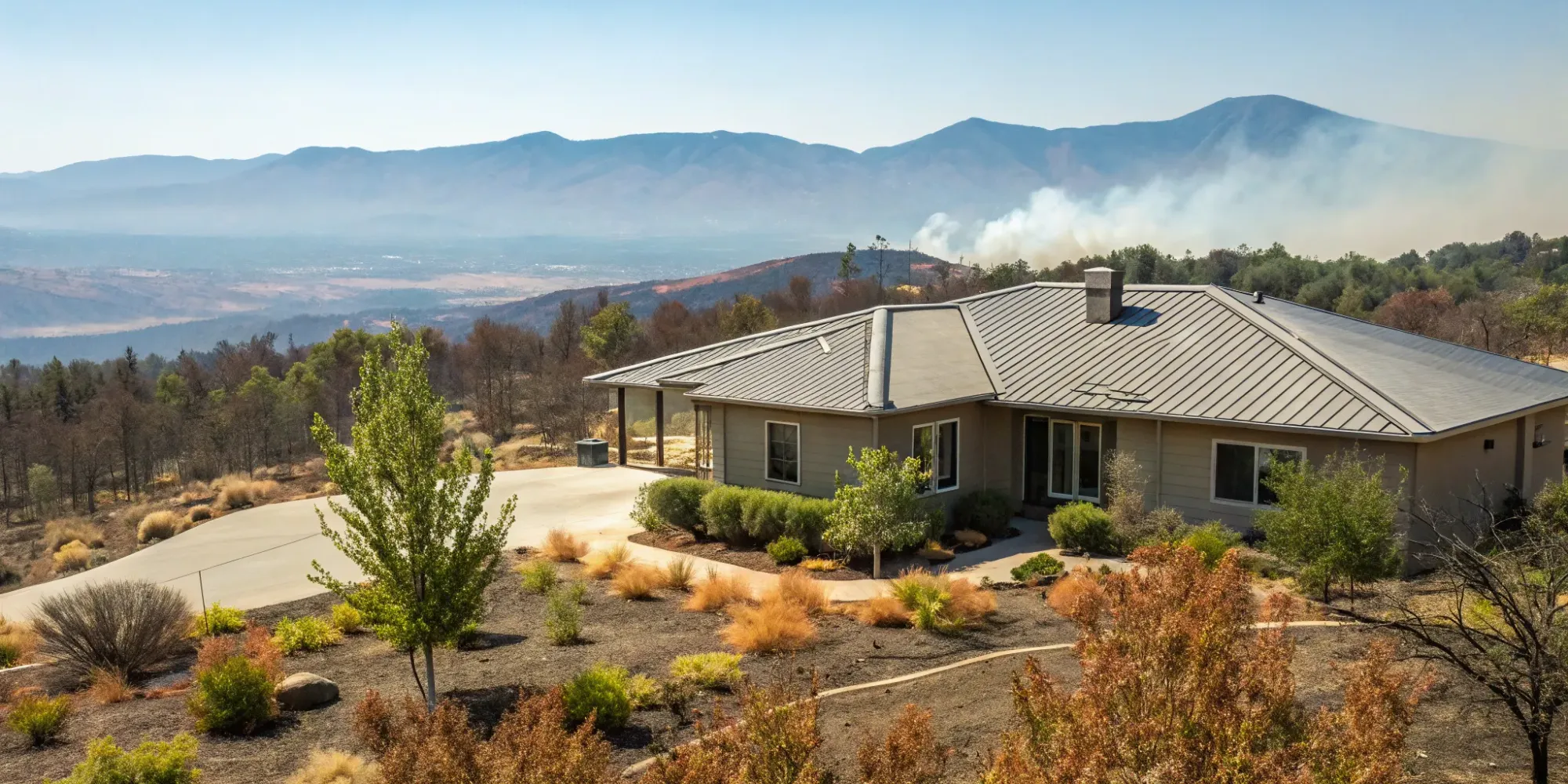
A Practical Guide to Building a Home in a Wildfire Area
October 21, 2025 · 22 min read
When you mention building a home in a wildfire zone, people often picture a stark, windowless bunker. There’s a common belief that creating a fire-resistant home means sacrificing beauty, comfort, and your budget. That’s simply not true anymore. Modern materials and smart design principles allow you to build a stunning, light-filled home that is also incredibly resilient. And it doesn't have to break the bank; research shows the cost can be comparable to standard construction. This guide to building a home in a wildfire area is here to cut through the myths and misinformation, providing a clear, fact-based roadmap for your project. You can have a home you love that is also built to last.
Key Takeaways
- Fortify Your Home's Exterior: Your first line of defense is the building itself. Select fire-rated materials for your roof and siding, install double-pane windows, and seal off small openings like vents with metal mesh to keep embers out.
- Make Your Landscape Your Ally: Treat your yard as a protective buffer. Keep the area closest to your house free of flammable mulch and debris, select high-moisture plants, and use hardscaping to create breaks that slow a fire's approach.
- Make Safety a Habit, Not a One-Time Project: Building to code is your first step toward securing insurance and ensuring compliance. After that, long-term protection comes from consistent upkeep, like regularly clearing your roof, gutters, and property of flammable debris.
How Wildfires Threaten Your Home
Before you can design a fire-resistant home, you need to understand exactly what you’re up against. Wildfires aren’t just a single wall of flame; they attack a home in several ways. Knowing these threats helps you focus your efforts and resources on the areas that matter most, turning a seemingly overwhelming task into a manageable plan. It’s the first and most critical step in building a home that can stand strong.
Know the Three Main Fire Threats
Wildfires attack a home in three distinct ways. The most obvious is direct flames, where the fire itself makes contact with your structure. Then there’s radiant heat, the intense energy from nearby burning trees or buildings that can ignite your home without ever touching it. But the most common culprit is often the smallest: flying embers. These tiny, burning pieces of debris can travel up to a mile on the wind, landing in gutters, on roofs, or entering vents to start new fires. Understanding how to approach hardening your home means preparing for all three of these threats, especially the insidious danger of embers.
Identify Your Home's Weak Spots
Once you understand the threats, you can pinpoint where your home is most vulnerable. Embers can easily ignite common roofing materials like wood shakes, making your roof a critical area of concern. Vents for attics, crawl spaces, and dryers are open doorways for embers to get inside your home’s structure. Intense radiant heat can cause windows to shatter, giving flames an easy entry point. Finally, wooden decks and fences attached to the house can act like a fuse, carrying fire directly to your exterior walls. The process of preparing homes for wildfire involves a careful review of each of these potential weak spots.
Assess Your Property's Risk
Every property has a unique risk profile based on its specific location and features. The slope of your land, the type of surrounding vegetation, and local weather patterns all influence how a wildfire might behave near your home. A house on a steep, wooded hill faces a much different threat than one on a flat, open lot. The great news is that building a resilient home doesn't have to be significantly more expensive. Research on building costs and codes shows that constructing a wildfire-resistant home is often comparable in cost to standard construction. Assessing your property’s specific risk early helps you make smart, targeted choices for your build.
Choose Fire-Resistant Building Materials
The materials you choose are your home’s first line of defense against a wildfire. Embers can travel a mile or more ahead of a fire, and if they land on flammable materials, they can ignite your house. By selecting fire-resistant options from the start, you build a stronger, more resilient home that’s easier to insure and safer for your family. Let’s walk through the most critical components.
Select the Right Roofing
Your roof is the most exposed part of your home, making it highly vulnerable to embers. The best choices are Class A fire-rated materials like composite shingles, metal, concrete, or clay tiles. These materials are designed to resist ignition and prevent fire from spreading. It’s also important to block any gaps under the edges of your roofing tiles where embers could get trapped. And remember, maintenance is key. Regularly clearing your roof and gutters of leaves, pine needles, and other debris removes potential fuel for embers. A clean, well-constructed roof is a major step toward a fire-safe home.
Choose Resilient Siding and Walls
The exterior walls of your home need to stand up to intense heat. Flammable siding can quickly turn a small ember attack into a major house fire. Instead, opt for noncombustible or ignition-resistant materials. Fiber cement, stucco, and brick are excellent choices because they don't burn. When installing siding, make sure it extends all the way from the foundation to the roof eaves, leaving no gaps. This continuous protection helps create a shield around your home. Taking the time to select the right siding not only improves safety but also gives you peace of mind during wildfire season.
Install Fire-Rated Windows and Doors
Windows and doors are weak points where heat and embers can enter your home. Single-pane windows can break from the heat of a nearby fire, allowing flames inside. The best practice is to install double-pane windows, with at least one pane made of tempered glass for extra strength. This design provides better insulation against heat. For frames, metal is a more fire-resistant choice than vinyl. You should also add fine metal mesh screens to your windows and any vents. These screens won’t stop the heat, but they are incredibly effective at blocking flying embers from getting inside your home.
Build Safer Decks and Fences
A wooden deck or fence attached to your house can act like a fuse, leading fire directly to your walls. Whenever possible, build your deck with fire-resistant materials like treated wood, composite, or coated steel. It’s also critical to keep the area underneath your deck completely clear of flammable items like dry leaves, furniture, or storage. For fences, consider using noncombustible materials like metal for the first five feet that connect to your house. This simple step creates a firebreak that can stop a ground fire from reaching your home’s exterior.
Secure Vents and Small Openings
Embers are tiny and can be blown into the smallest openings, like vents in your attic, foundation, or under your eaves. These entry points can allow a fire to start inside your home where you can’t see it. To prevent this, cover all vent openings with 1/8-inch metal mesh. According to CAL FIRE’s hardening guide, this fine mesh is small enough to block most embers. Avoid using plastic or fiberglass screens, as they can melt or burn in high heat, leaving your home exposed. Securing these small openings is a simple but essential detail for a truly fire-resistant home.
Design a Fire-Smart Home
Beyond the materials you choose, the actual design of your home plays a huge role in its ability to withstand a wildfire. A smart architectural plan anticipates how fire behaves and closes off the weak points that embers love to exploit. Thinking about these details before you build is one of the most effective ways to protect your investment and your family. It’s about creating a structure that gives fire as few opportunities as possible.
From the slope of your roof to the placement of your windows, every decision matters. A fire-resistant design focuses on simple, clean lines that eliminate spots where embers and heat can get trapped. By focusing on the home’s overall structure and its smaller components, you can build a home that is fundamentally safer and more resilient. These are the kinds of details a professional plan review can help you get right from the start, ensuring your design is as fire-smart as it is beautiful.
Plan Your Roof and Eaves for Safety
Your roof is the most exposed part of your home, making it the first line of defense against falling embers. When planning your design, opt for Class A fire-rated materials like metal, composite shingles, or tile. These materials are designed to resist ignition and prevent fire from spreading. Just as important is the design of your eaves. Open eaves are a common vulnerability, creating a perfect nook for hot embers to get trapped and ignite. By boxing them in with fire-resistant materials, you can close off this entry point and significantly improve your home’s safety.
Incorporate Ember-Resistant Features
Embers are tiny, wind-driven firebrands that can travel a mile or more ahead of a wildfire, and they are a primary cause of home ignition. They can enter your home through any small opening, so your design needs to seal them out. A key step is to cover all vents—attic, foundation, and gable—with a fine metal mesh screen (1/8-inch is recommended). This simple addition acts as a barrier, blocking embers while still allowing for airflow. Don’t forget your chimney; it should also be covered with a non-flammable screen to prevent embers from getting inside.
Design for Safe Ventilation
Windows are another critical weak point because intense heat can cause the glass to break, giving flames and embers a direct path into your house. Installing double-pane windows is a must, and using tempered glass for at least one of the panes adds another layer of strength and durability. When laying out your floor plan, think strategically about window placement. Limiting the number and size of windows that face large areas of dense vegetation can reduce the amount of radiant heat your home absorbs during a fire, which helps keep the interior from igniting.
Add Key Safety Features
A few practical design features can make a huge difference in an emergency. When planning your garage, make sure the garage door is weather-stripped to seal gaps where embers could blow in. More importantly, install a model with a battery backup. Power outages are common during wildfires, and a battery backup ensures you can still open the door to evacuate your vehicle or access emergency supplies. It’s also smart to design a designated, easily accessible spot in your garage to store a fire extinguisher and basic firefighting tools.
Create Your Defensible Space
Creating a defensible space is one of the most important actions you can take to protect your home from a wildfire. Think of it as a buffer zone you create between your house and the surrounding grass, trees, and shrubs. This space is designed to slow or stop the spread of wildfire and protect your home from catching fire—either from direct flame contact or radiant heat. It also gives firefighters a safe area to work in if they need to defend your home.
This isn't about clear-cutting your entire property. Instead, it’s about creating a well-maintained, thoughtfully designed landscape that reduces fire hazards. The core idea is to manage the "home ignition zone," the area that includes your house and the surrounding 100 feet of landscape. By carefully selecting plants, using non-combustible materials, and performing regular maintenance, you can dramatically reduce your home’s vulnerability. Many state and local codes now include specific requirements for wildfire mitigation, and a well-managed defensible space is often a key factor for securing homeowner's insurance. Let’s walk through the practical steps to design and maintain this critical safety zone.
Plan Your Home Ignition Zones
The area around your home is typically divided into three zones. The immediate zone is the 0-5 feet right around your house, and it’s the most critical. This area should be completely free of flammable materials. Use non-combustible materials like gravel or pavers against the foundation instead of bark mulch. Avoid storing firewood or placing flammable patio furniture here. The intermediate zone, from 5 to 30 feet out, is where you can incorporate fire-resistant plants that are well-spaced and maintained. The goal is to break up the continuous path of fuel that a fire could follow to your home. Finally, the extended zone, from 30 to 100 feet, involves thinning out trees and removing lower branches to keep flames on the ground.
Select Fire-Resistant Plants
Choosing the right plants is essential for a fire-smart landscape. Fire-resistant plants are not fireproof, but they are less likely to ignite and burn intensely. These plants typically have moist, supple leaves and a low sap or resin content. Good choices often include hardwood trees, succulents, and certain perennials. Avoid plants with a high oil content, like juniper, pine, and eucalyptus, as they can be highly flammable. When you plant, make sure to space everything properly to prevent fire from jumping from one plant to another. Grouping plants into well-irrigated islands separated by non-flammable materials like a stone path is an effective strategy.
Use Hardscaping to Your Advantage
Hardscaping refers to the non-living elements of your landscape, and it’s your best friend when creating fuel breaks. Use materials like stone, brick, or concrete to build patios, walkways, and retaining walls. These features act as barriers that can stop a ground fire from reaching your home. A gravel path or a wide concrete driveway can be an incredibly effective firebreak. This approach, often called firescaping, combines fire-resistant design and materials with careful plant selection to strategically resist the spread of fire. It’s a practical way to add beauty and function to your yard while making it significantly safer.
Follow a Simple Maintenance Plan
A fire-resistant landscape is only effective if you maintain it. Regular upkeep is non-negotiable. Make it a habit to clean leaves, pine needles, and other debris from your roof and gutters, as these are prime spots for embers to land and ignite. Prune trees to keep branches at least 10 feet away from your roof and chimney. Clear away dead grass, weeds, and dry vegetation from your entire property, especially from under your deck and stairs. Creating a clear space below decks can stop flames from climbing up the side of your house. A simple, consistent maintenance routine makes a world of difference.
Consider Your Irrigation Strategy
Healthy, well-watered plants are less flammable than dry, stressed ones. Your irrigation strategy plays a direct role in your home’s defense. A drip irrigation system or soaker hoses can be an efficient way to keep plants hydrated without wasting water. It’s also a good idea to have a reliable water source on hand for emergencies. Make sure you have long garden hoses that can reach all parts of your property, including your roof and decks. Some homeowners even install external sprinkler systems that can be turned on to wet down the house and surrounding landscape if a fire is approaching.
Landscape for Fire Protection
Your yard is more than just curb appeal—it’s the first line of defense against a wildfire. The choices you make in your landscaping can dramatically influence your home’s ability to survive an ember storm or approaching flames. This practice, often called "firescaping," is about creating a landscape that is intentionally designed to resist fire. The goal is to strategically reduce the amount of flammable material, or fuel, that a fire can consume, especially in the areas closest to your house. This doesn't mean you have to surround your home with concrete or give up on having a beautiful garden. A lush, well-maintained, and fire-resistant landscape is entirely achievable with thoughtful planning.
By carefully selecting and placing plants, committing to regular upkeep, and using non-flammable materials to create breaks in vegetation, you can build a yard that is both beautiful and safe. This approach does more than just protect your structure; it helps slow a fire’s spread across your property and gives firefighters a safer, more defensible space to work if they need to protect your home. It’s a proactive step that integrates seamlessly into your overall home design, turning your property into a key part of your family’s protection plan. Thinking about your landscape as an active component of your home's defense system is a powerful shift in perspective for anyone building or living in a high-risk area.
Pick the Best Fire-Resistant Plants
The right plants can make a huge difference. As fire safety experts often note, flammable plant material in your landscape can increase the fire risk directly around your home, acting as a wick that pulls flames closer. Instead, you’ll want to choose high-moisture plants that are less likely to ignite. Think succulents, lavender, or sage—plants that hold water in their leaves and stems. The ones to avoid are those with high oil or resin content, like juniper, cypress, and pine, which can burn intensely. A great first step is to consult a list of local fire-resistant plants for home landscapes, as native and climate-appropriate options are often the most resilient and easiest to maintain.
Space Your Plants Correctly
How you arrange your plants is just as important as which ones you choose. The goal is to create breaks in the vegetation that will slow a fire down and reduce its intensity. In the intermediate zone, which is the area 5 to 30 feet from your home, you can include well-maintained and adequately spaced fire-resistant plants. Avoid planting large, dense groups of shrubs or trees close together, as this creates a continuous path for fire. Instead, think in terms of creating small "islands" of vegetation separated by non-flammable materials like a gravel path or a stone patio. This strategic spacing prevents a fire from easily jumping from one plant to another and eventually reaching your house.
Commit to Regular Maintenance
A fire-smart landscape requires consistent upkeep. Even fire-resistant plants can become a hazard if they’re not cared for, as dead branches and dry leaves accumulate. Regular maintenance is your best tool for keeping these fuel levels low and your property safe. This means mowing the lawn regularly, pruning trees to keep branches at least 10 feet from your roof and from other trees, and clearing away any dead or dying vegetation. Healthy, well-watered plants are always less likely to burn. Think of your yard work as an essential part of your home’s safety plan—a small, ongoing effort that provides a major layer of protection when you need it most.
Clear Away Dead Vegetation
Dry, dead plant material is like kindling for a wildfire, waiting for a spark. One of the most effective things you can do is to regularly clear away dead leaves, dry grass, and fallen pine needles from your yard, roof, and gutters. These materials can accumulate quickly and provide the perfect fuel for wind-blown embers to ignite. Make it a seasonal habit to rake your yard and dispose of the debris properly. Pay special attention to the areas under decks and in the corners where walls meet, as these are common spots where embers can gather and smolder. This simple landscaping hack is a critical step in reducing your home’s vulnerability.
Use Non-Flammable Ground Cover
Hardscaping is your secret weapon in creating a fire-resistant yard. Using non-combustible materials like gravel, pavers, or decorative rock can create effective fuel breaks that stop a ground fire in its tracks. In the five feet immediately surrounding your home—the most critical zone—there should be no flammable materials at all. This is the perfect place for a stone walkway, a concrete patio, or a bed of gravel instead of mulch. You can also use masonry or stone walls to separate plant groups throughout your yard, which adds visual interest while improving the fire resistance of your landscape. These fire-smart landscape basics are fundamental to protecting your home from embers and flames.
Meet Building Codes and Insurance Rules
Building a home that can stand up to wildfire involves more than just choosing the right materials—it also means following specific rules and regulations. These codes aren't just red tape; they are safety standards developed over years of experience to protect your property and, most importantly, your life. Getting familiar with these requirements early in the planning process will save you countless headaches during construction and help you secure the insurance you need once your home is built. Think of it as a blueprint for resilience that ensures your home is as safe and insurable as possible from the very beginning. By embracing these guidelines, you’re not just checking boxes for a permit; you’re actively participating in a system designed to reduce the devastating losses wildfires can cause.
Insurers see this proactive approach as a sign of a responsible homeowner. When they evaluate a property for coverage, especially in a high-risk area, compliance with fire codes is one of the first things they look for. A home that meets or exceeds local standards is considered a much lower risk, which can make a huge difference in your ability to find affordable insurance. In some cases, it can be the deciding factor in whether you can get coverage at all. This is why it’s so important to view building codes and insurance requirements as two sides of the same coin. One sets the standard for safety, and the other provides the financial protection that makes your investment secure. The following steps will help you handle both with confidence.
Know Your Local Regulations
Your first step is to understand the specific building codes in your area. State and local governments establish detailed requirements for construction in wildfire zones that apply to both new homes and major renovations. These rules are designed to reduce the chances of ignition during a wildfire by dictating everything from roofing materials to vent construction. For example, the Office of the State Fire Marshal in California sets forth specific wildland hazards and building codes to minimize property loss. Working with a builder or architect who is an expert in these local codes is essential to ensure every part of your home is compliant from the ground up.
Understand What Insurers Want to See
Meeting building codes isn't just about getting a permit—it's also critical for getting your home insured. Insurance companies pay close attention to whether a home complies with fire safety laws, especially in high-risk areas. If your property is in a designated State Responsibility Area (SRA), you are required to follow California’s strict fire and building codes. Adhering to these standards makes your home a lower risk in the eyes of an insurer, which can make it easier to get coverage at a reasonable rate. Proving that your home is built to code shows insurers you’ve taken proactive steps to protect your investment, making you a much more attractive client.
Prepare for Inspections
During and after construction, your home will undergo inspections to verify it meets all safety standards. Inspectors will check that you’ve used compliant materials and followed proper construction methods. A key area they focus on is defensible space. For instance, California law requires a 100-foot buffer zone around homes in SRA zones to slow a fire’s spread. This is part of the Wildland-Urban Interface (WUI) code, and an inspector will confirm this space is clear of flammable vegetation and materials. Planning for these inspections from day one helps you avoid costly delays and ensures your home is officially recognized as fire-safe.
Keep the Right Documentation
Throughout the building process, keep meticulous records of everything. This includes permits, architectural plans, receipts for fire-resistant materials, and inspection reports. This paperwork is your proof of compliance. For example, documenting that your home meets the standards in Chapter 7A of the California Building Code—which sets minimum standards for buildings in the WUI—is crucial. Having a well-organized file will be invaluable when you’re working with inspectors and applying for homeowner’s insurance. It provides clear evidence that you’ve built a home designed to withstand wildfire, making the final steps of your project much smoother.
Plan Your Budget and Manage Costs
Building a home is a major financial undertaking, and when you’re building in a high-risk area, it’s easy to assume the costs will skyrocket. The good news is that creating a fire-resistant home is often more about smart choices than it is about a bigger budget. With careful planning, you can build a safer, more resilient home that protects your family and your investment without breaking the bank.
The key is to think about fire resistance from the very beginning of your design and budgeting process. By prioritizing the right materials and features, you can manage upfront expenses while setting yourself up for significant long-term savings on maintenance and insurance. Let’s walk through how to approach your budget strategically.
Compare Material Costs
One of the biggest myths about building a fire-resistant home is that it will always be more expensive. Research shows that building a new home to wildfire-resistant standards can cost about the same as constructing a typical home. The difference often comes down to the specific materials you choose. For example, fiber-cement siding might cost more than vinyl, but it offers far superior fire resistance.
When you’re comparing prices, look at the full picture. A slightly more expensive, non-combustible material might save you from having to make a more costly upgrade later. Work with your builder to get quotes for different options and weigh the fire-safety benefits against the costs to make informed decisions for your project.
Account for Fire-Resistant Upgrades
While many material costs are comparable, some specific upgrades will require a dedicated line item in your budget. These often include features like tempered glass windows, fire-rated vents, and non-combustible decking materials. Instead of seeing these as add-ons, think of them as essential components of your home’s overall safety system.
If you’re working with a tight budget, you can prioritize the most critical upgrades. The most vulnerable parts of a home in a wildfire are the roof, exterior walls, and decks. Focusing your spending on making these areas as resilient as possible provides the greatest return on your safety investment. Remember, these upgrades are part of a comprehensive strategy that also includes smart landscaping and defensible space.
Factor in Long-Term Insurance Savings
The upfront investment in fire-resistant construction can pay off for years to come, especially when it comes to insurance. A home built with non-combustible materials and a well-maintained defensible space is a lower risk for insurers. This can lead to more coverage options and lower annual premiums, saving you thousands of dollars over the life of your home.
Beyond insurance, many wildfire-resistant materials are also more durable and require less maintenance than their conventional counterparts. For example, metal roofing and fiber-cement siding last longer and need less upkeep than asphalt shingles or wood siding. These long-term savings on repairs and replacements make resilient materials a financially sound choice.
Use Smart Budgeting Strategies
A smart budget is a flexible one. Start by getting detailed quotes from contractors who have experience building in wildfire-prone areas. They can help you identify cost-effective materials that meet local fire codes. Be clear about your priorities and ask where you can make the biggest impact without overspending.
If you need to make trade-offs, focus on the building envelope—your roof, siding, windows, and vents. These are the first line of defense against embers. You can also phase your landscaping projects, starting with the critical defensible space in Zone 0 (the first five feet around your home) and expanding outward as your budget allows. Planning ahead and making intentional choices will help you build a beautiful, safe, and affordable home.
Maintain Your Home for Long-Term Safety
Building a fire-resistant home is a huge accomplishment, but the work doesn’t stop once construction is complete. Long-term safety depends on consistent maintenance and preparation. Think of it like owning a car—you wouldn’t skip oil changes and expect it to run forever. Your home needs the same kind of regular attention to keep it protected against wildfires.
Creating a maintenance routine isn’t complicated. It’s about building simple habits that make a big difference, from clearing your building site correctly from the start to developing a family emergency plan. By following a few key practices for installation and seasonal upkeep, you can ensure your home and property remain as safe as the day they were built. This proactive approach gives you peace of mind and helps protect your investment for years to come.
Prepare Your Building Site
A safe home starts with a smart building site. Before you even break ground, your first priority should be creating a clean, defensible perimeter. This means clearing away flammable vegetation, dead trees, and debris from your construction zone and the surrounding area. Research from Headwaters Economics shows that building a new home to resist wildfires costs about the same as a regular build, and it all begins with a well-prepared site. By clearing the area properly, you reduce the fuel a wildfire needs to reach your home, creating a crucial buffer that can make all the difference.
Follow Installation Best Practices
The best fire-resistant materials in the world won’t protect you if they’re installed incorrectly. Proper installation is key to creating a sealed home exterior that keeps embers out. According to the National Fire Protection Association, the main goal is to make it less likely for fire to touch the house in the first place. This means paying close attention to the details. Ensure your roofer follows best practices for sealing gaps and that vents are covered with fine metal mesh. Every joint, seam, and opening is a potential entry point for embers, so work with your builder to ensure every component is installed for maximum resilience.
Create a Seasonal Maintenance Checklist
Once your home is built, regular upkeep is your best defense. A simple seasonal checklist can help you stay on top of essential tasks. In the spring and fall, walk your property and look for potential fire hazards. The most important jobs include cleaning leaves, pine needles, and other debris from your roof and gutters, as these are prime spots for embers to land and ignite. You should also inspect your vents to make sure they’re clear and screened, trim back any tree branches overhanging your roof, and clear away dead vegetation from your defensible space. A home hardening guide can provide a great starting point for your checklist.
Develop an Emergency Plan
A safe home is only one part of the equation; a safe family is the ultimate goal. Every household in a high-risk area needs a clear emergency plan. This includes mapping out multiple evacuation routes, designating a meeting spot, and preparing a "go-bag" with essentials like water, medication, and important documents. It’s also critical to maintain your defensible space. In some areas, laws mandate a 100-foot defensible space around homes to slow a fire’s spread and give firefighters a safe area to work. Make sure everyone in your home knows the plan and sign up for local emergency alerts to stay informed when a threat is near.
Related Articles
- How to Build a Wildfire Proof House: A Guide
- 7 Key Elements of Fire-Resistant House Plans
- Fireproof Home Design: A Step-by-Step Guide
- How to Fireproof Your Home: A California Guide
WiserBuild CTA Button
Frequently Asked Questions
Does building a fire-resistant home have to be incredibly expensive? Not at all. Research shows that the cost to build a wildfire-resistant home is often very similar to standard construction. The key is making smart, intentional choices from the beginning. It’s less about spending more money and more about allocating your budget to the right places, like choosing fiber-cement siding instead of wood or installing ember-proof vents. These choices not only improve safety but can also lead to significant long-term savings on insurance and maintenance.
If I can only focus on one thing, what gives me the most protection? Your top priority should be defending your home against embers. Embers are the tiny, flying firebrands responsible for igniting the majority of homes during a wildfire. You can tackle this by focusing on two key areas: your house and the five feet immediately surrounding it. On your house, cover all vents with 1/8-inch metal mesh and choose a Class A fire-rated roof. In that first five feet, use non-flammable materials like gravel or pavers right up against the foundation. These two actions create a powerful defense against the most common wildfire threat.
Can I still have a beautiful garden if I need a "defensible space"? Absolutely. Creating a defensible space doesn't mean you have to surround your home with dirt or concrete. The practice is often called "firescaping," and it’s about creating a smart, beautiful landscape that resists fire. You can use lush, fire-resistant plants with high moisture content, like succulents or lavender, and arrange them in well-spaced garden beds. By using hardscaping elements like stone patios and gravel walkways, you can create natural fuel breaks that stop fire from spreading while adding structure and beauty to your yard.
I'm renovating an existing home, not building a new one. Where should I start? When renovating, it’s best to prioritize the most vulnerable parts of your home. Start with the roof. If it’s old or made of a flammable material like wood shakes, replacing it with a Class A fire-rated material like metal or composite shingles is the single biggest improvement you can make. After that, focus on sealing up any small openings where embers could enter by installing 1/8-inch metal screens on all vents. Finally, if your budget allows, upgrade single-pane windows to double-pane models with tempered glass.
How can I be sure my building plans actually meet all the local codes and insurance requirements? Building codes can be complex and vary quite a bit from one county to the next, while insurance companies have their own set of criteria for what makes a home a good risk. The best way to ensure you’re covered on both fronts is to have your plans professionally reviewed before you start building. An expert review can catch compliance issues early, confirm your material choices will satisfy insurers, and give you confidence that your design is as safe and resilient as possible.