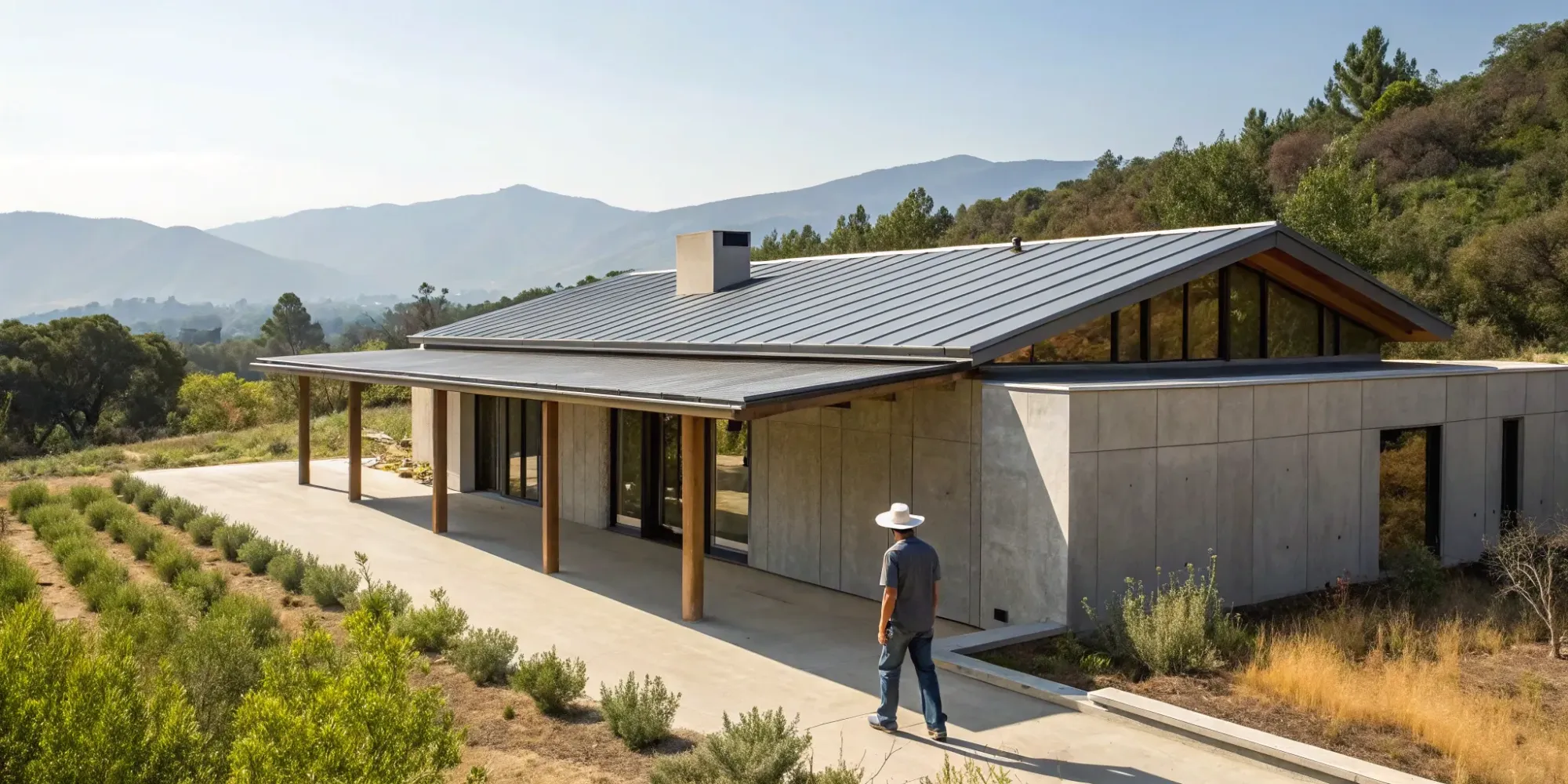
How to Build an Insurable Home: 7 Key Steps
November 21, 2025 · 18 min read
Many people treat homeowner's insurance as an afterthought—a final box to check after the construction dust has settled. This can be a costly mistake. Finding out that the home you just poured your life savings into is considered too high-risk for affordable coverage, or worse, is completely uninsurable, is a devastating setback. The reality is that your home’s insurability is determined long before the first wall goes up. It’s decided in the design phase, based on your building plans and material choices. This article provides a clear roadmap for how to build an insurable home, ensuring your project is set up for financial security from the start.
Key Takeaways
- Insurability begins with your blueprint: The most critical decisions for securing insurance happen before you break ground. A thorough site assessment, the right material choices for your climate, and an expert plan review are the foundation for a home that insurers want to cover.
- Bridge the gap between building codes and insurance: Meeting current building codes is non-negotiable, but you also need to plan for the future. Secure "ordinance and law" coverage to ensure your policy pays for mandatory, and often expensive, code upgrades required during a rebuild.
- Invest in resilience for long-term savings: Upgrades like impact-resistant roofing or updated electrical systems are not just expenses—they are investments. These choices actively reduce your risk, which can lead to lower insurance premiums and makes your home easier to protect for years to come.
What Makes a Home Insurable?
Before you even break ground, it’s helpful to think like an insurance provider. What do they see when they look at a set of building plans? They see risk. An insurable home is one that successfully minimizes that risk through smart design, quality materials, and a safe location. Insurers want to see a structure that can stand up to potential threats, whether it’s a wildfire, a hurricane, or a burst pipe.
Getting insurance isn’t just a box to check; it’s about protecting your investment and your family. When your home is designed to be resilient and compliant from the start, you’ll find it’s not only easier to insure but often less expensive, too. Let’s look at the three core pillars that determine whether a home is considered a good risk.
The Role of Structural Integrity
At its heart, an insurable home is a strong home. Structural integrity is all about your home's ability to withstand whatever nature throws at it. A resilient home is designed to hold up against extreme weather like high winds, heavy rain, and even earthquakes. The goal is simple: keep the people inside safe, minimize damage to the structure, and reduce the time and money spent on repairs after a disaster. When an insurer sees a home built with durable materials and a solid design, they see a lower likelihood of a major claim, which makes your property much more attractive to cover.
How Location and Environment Play a Part
You know the real estate mantra: location, location, location. It’s just as critical for insurance. High-risk homes are often those located in areas prone to natural disasters like wildfires or hurricanes. While you can’t move a floodplain or a fault line, you can make choices to mitigate those environmental risks. Beyond geography, insurers also look at neighborhood factors and even the condition of your home’s internal systems. An older home with outdated electrical or plumbing can be considered high-risk, even in a seemingly safe area. Understanding your site’s specific challenges is the first step toward addressing them in your design.
Why Building Code Compliance Is Non-Negotiable
Think of building codes as the absolute minimum standard for safety. Failing to meet them is a major red flag for insurers. If your home isn’t up to code, an insurance company may refuse to cover it or charge significantly higher premiums. Furthermore, codes change over time. If your home is damaged, you’ll be required to rebuild to the current standards, which can be much more expensive. That’s where a special policy add-on called building ordinance coverage comes in, but it’s far better to build correctly from the start. Ensuring your plans are fully compliant is non-negotiable for securing good insurance.
Choose Materials That Improve Insurability
The materials you choose are the building blocks of your home’s resilience, and insurers pay close attention to them. When an underwriter assesses your property, they’re calculating the risk of a potential claim. A home built with materials designed to withstand the specific threats of your region—whether it’s wildfire, hail, or hurricanes—presents a much lower risk. This isn't just about building a fortress; in fact, using overly expensive materials like solid stone can sometimes increase your premium because the cost to rebuild it is higher.
The goal is to strike a balance between strength, resilience, and replacement cost. By making strategic choices, you can build a home that is not only safer for your family but also more attractive to insurance providers. Think of it as a partnership: you invest in materials that reduce the likelihood of a major claim, and your insurer may reward you with better coverage options or more favorable rates. Focusing on key areas like siding, roofing, windows, and your foundation can make a significant difference in your home’s long-term insurability.
Fire-Resistant Siding and Materials
If you’re building in a wildfire-prone area, your siding is your home's first line of defense. Materials like fiber cement, stucco, and brick are excellent choices because they are non-combustible and resist ignition from flying embers. Unlike wood or vinyl siding, which can melt or burn, these materials help stop a fire from ever taking hold of your home’s structure. Insurers are well aware of the protection that fire-resistant materials provide. Choosing them demonstrates that you’re actively mitigating a major risk, which can make securing coverage much easier in high-risk zones. It’s a proactive step that shows you’re building a home designed to survive its environment.
Impact-Resistant Windows and Roofing
Your roof and windows are the most vulnerable parts of your home during a hailstorm or hurricane. Opting for impact-resistant products is one of the smartest investments you can make. Look for Class 4 impact-resistant roofing materials, which are tested to withstand hail, and impact-rated windows designed to resist breakage from wind-borne debris. When your roof and windows remain intact, you prevent wind and water from getting inside and causing catastrophic damage. Many insurance companies offer significant discounts for homes with these features because they are proven to reduce claims. The Insurance Institute for Business & Home Safety (IBHS) even has specific standards, like the FORTIFIED Home program, that highlight these upgrades.
Hurricane and Storm Reinforcements
In areas threatened by high winds, the structural connections holding your home together are critical. It’s not enough for the walls to be strong if the roof isn’t securely attached to them. This is where hurricane and storm reinforcements come in. Simple metal connectors like hurricane straps create a continuous load path, essentially tying the roof to the foundation to resist uplift forces from severe winds. A reinforced garage door is also essential, as a door failure can lead to a dangerous buildup of internal pressure. Building a truly resilient home means ensuring all its parts work together as a single, strong system, which is exactly what insurers want to see in coastal and storm-prone regions.
Waterproofing and Foundation Design
Water damage is one of the most frequent and costly issues for homeowners, making your foundation and waterproofing strategy a top priority for insurers. A well-designed system prevents moisture from seeping into your basement or crawlspace, avoiding mold, rot, and structural damage over time. This starts with applying high-quality waterproofing membranes to your foundation walls and installing a reliable drainage system, like a French drain, to channel water away from the house. In flood-prone areas, consider building with materials like Insulated Concrete Forms (ICFs) that stand up to moisture, or elevating the home on piers. These measures show insurers you’re serious about preventing water-related claims.
Assess and Manage Your Building Site's Risks
Before you even think about floor plans or paint colors, you need to get to know your land. The location of your home and the characteristics of the site itself play a massive role in its long-term safety and insurability. Insurers look closely at environmental risks because they are powerful predictors of future claims. A beautiful plot of land could be hiding unstable soil, a high water table, or a history of flooding that isn’t immediately obvious.
Taking the time to thoroughly assess your building site is one of the smartest investments you can make. It’s about identifying potential hazards—from wildfire exposure to soil erosion—and creating a solid plan to manage them. When you can show an insurance provider that you’ve done your homework and engineered solutions to address the specific risks of your property, you’re demonstrating that your home is a lower-risk investment for them. This proactive approach not only makes your home more attractive to insurers but also saves you from incredibly costly surprises down the road.
Start with a Professional Site Inspection
Your first step should be to hire a professional for a comprehensive site inspection. A geotechnical survey is essential, as it analyzes what’s happening beneath the surface. Experts will test the soil to determine its stability, composition, and ability to support a foundation. They’ll also check for groundwater levels and potential contaminants that could complicate construction or pose health risks. Discovering that your site has poor soil stability or requires extensive remediation after you’ve purchased it can be a budget-breaking nightmare. Getting this report upfront gives you the critical information needed to design a foundation that is safe, durable, and built to last.
Check Hazard Maps for Flood and Seismic Zones
Beyond your property lines, it’s crucial to understand the broader environmental risks of your region. Publicly available resources from agencies like FEMA and the U.S. Geological Survey (USGS) provide detailed hazard maps that show areas prone to flooding, earthquakes, landslides, and other natural disasters. By checking these maps, you can determine if your property is in a designated floodplain or a high-risk seismic zone. This knowledge is power. It allows you to work with your architect and engineer to incorporate necessary reinforcements and design features that address these specific seismic hazards. Ignoring this data is a major red flag for insurers and can make it difficult or impossible to get coverage.
Implement Smart Drainage Solutions
Water is one of the biggest threats to a home’s structural integrity. Poor drainage can lead to a catalogue of expensive problems, including foundation cracks, basement flooding, soil erosion, and mold growth—all of which are major concerns for insurance companies. Your building plan should include smart drainage solutions to effectively manage water on your property. This includes ensuring the land is properly graded to direct water away from the foundation, as well as installing systems like French drains, swales, or catch basins where needed. A well-drained site is a stable site, and demonstrating that you’ve controlled for water-related risks makes your home a much safer bet in the eyes of an insurer.
Meet Building Codes and Insurance Requirements
Building a home that stands the test of time means meeting the standards set by both local authorities and insurance carriers. These requirements aren't just bureaucratic hurdles; they are foundational to your home's safety, value, and long-term affordability. Aligning your construction plans with building codes and insurance guidelines from the start prevents costly revisions, ensures a smooth permitting process, and gives you confidence that your home is truly protected. Think of it as building a bridge between your vision and the real-world standards that keep you and your investment secure.
Research Local Regulations and Zoning Laws
Before you get too attached to a specific design, it’s essential to understand the rules of the road in your area. Building codes are the minimum legal standards for construction, designed to protect public health and safety. These regulations can vary significantly from one town to the next, especially in high-risk zones with specific rules for fire or flood resistance. You can typically find these codes on your local municipality’s website or by contacting the building department. Familiarizing yourself with these requirements ensures your project starts on the right foot and avoids compliance issues down the line. FEMA offers a helpful building codes toolkit to get you started.
Work with Professionals to Review Your Plans
Building codes are dense and complex, and it’s easy to miss a critical detail. That’s why having an expert review your plans is one of the smartest moves you can make. A professional plan review confirms that every aspect of your design—from the foundation to the roofline—meets local regulations and is optimized for insurability. This step helps you catch potential red flags before construction begins, saving you from expensive fixes or delays. Services like WiserBuild specialize in this pre-construction risk assessment, giving you and your builder a clear path forward and the assurance that your home is designed to be safe, compliant, and insurable from day one.
Keep Your Insurance Provider in the Loop
Many homeowners assume their insurance policy will cover everything if they need to rebuild, but that’s often not the case. A standard policy typically only pays to rebuild your home exactly as it was, without accounting for newer, stricter building codes. If regulations have changed since your home was built, you could be on the hook for thousands in upgrade costs. This is why you should talk to your insurance agent before you finalize your plans. Share your designs and material choices to understand how they will impact your coverage and premiums, ensuring there are no surprises later.
Understand Ordinance and Law Coverage
To bridge the gap left by standard policies, you need to know about ordinance and law coverage. Think of it as an essential add-on to your homeowner's insurance that covers the extra costs of rebuilding to meet current building codes after a loss. Without it, you’d have to pay out-of-pocket to bring your new home up to modern standards for things like wiring, plumbing, or structural reinforcements. This coverage isn't usually included automatically, so you have to ask for it. Understanding what building ordinance coverage is and confirming you have enough of it provides a critical financial safety net.
How Your Building Choices Affect Insurance Premiums
When you’re planning a new home or a major renovation, it’s easy to get caught up in aesthetics and floor plans. But every decision, from the type of roofing you choose to the slope of your yard, has a direct impact on your insurance premiums. Insurance companies operate on risk assessment; the safer and more durable they perceive your home to be, the lower your rates will be. Think of it this way: building a resilient home isn't just an expense—it's an investment that pays you back every year in lower insurance costs and greater peace of mind.
Choosing materials and systems that stand up to potential threats like fire, wind, and water damage shows insurers that you are proactively managing risk. A home built with standard materials in a high-risk area is a much bigger gamble for an insurance provider than one built with reinforced, resilient materials. By making smart, insurable choices from the very beginning, you’re not just building a house. You’re creating a secure asset that is less costly to protect and easier to recover if the unexpected happens. This foresight is a critical part of the pre-construction planning process and can save you thousands over the life of your home.
Upgrades That Can Lower Your Rates
Insurers love to see proactive measures that reduce the likelihood of a claim. Simple upgrades and consistent upkeep can make a real difference in your premiums. For example, a new, well-maintained roof is one of the first things an insurer looks at, as it’s your home’s primary defense against the elements. You can also earn discounts by updating older electrical wiring to reduce fire risk or replacing old plumbing to prevent water damage. In areas prone to high winds, installing storm shutters or impact-resistant windows shows you’re prepared. These regular maintenance habits demonstrate to your provider that you're a responsible homeowner, which often translates directly into savings.
The Long-Term Value of Resilient Materials
While resilient materials may have a higher upfront cost, they offer significant long-term value. A resilient home is designed to withstand extreme weather and natural disasters, making it far less likely to sustain major damage. For insurers, this durability means a lower risk of a total-loss claim. In a wildfire-prone area, using non-combustible siding and roofing can be the difference between a minor repair and a complete rebuild. Similarly, using reinforced concrete and hurricane straps in a coastal region makes your home a much safer bet. These materials not only protect your family but also make your home more attractive to insurers, leading to better coverage options and more stable premiums over time.
How Safety Features Impact Your Premium
Sometimes, the safety systems you install are just as important to an insurer as your home’s core structure. Features that actively prevent or mitigate damage can lead to substantial discounts. Think about systems like automatic water shut-off valves that detect leaks, centrally monitored fire and security alarms, or interior sprinkler systems. These technologies can stop a potential disaster in its tracks, drastically reducing the potential for a large claim. In fact, some insurers weigh these safety features heavily when setting rates. A thorough pre-construction risk assessment can help you identify which systems will provide the most value and protection for your specific location and build.
Maintain Your Home's Insurability Over Time
Building a resilient, insurable home is a huge accomplishment, but the work doesn’t stop once construction is complete. A home’s risk profile isn’t static; it changes with age, weather events, and wear and tear. Maintaining your home’s condition is crucial for keeping it protected and insurable for years to come. Insurers see a well-maintained home as a lower risk, which can help you secure better coverage and rates over the long term. Think of it as protecting your investment and ensuring your home remains a safe haven, no matter what comes its way. By staying on top of upkeep, you’re not just preserving your property—you’re actively managing its insurability and giving yourself peace of mind.
Create a Regular Maintenance Schedule
A little proactive care goes a long way. Simple, consistent upkeep—like cleaning your gutters, checking for leaks after a storm, and servicing your HVAC system—prevents small issues from becoming costly disasters. This kind of regular upkeep shows an insurer that you’re a responsible homeowner committed to preventing damage before it happens. Create a seasonal checklist to stay on top of tasks like testing smoke detectors, trimming trees away from your roof, and clearing flammable debris from around your foundation, especially in wildfire-prone areas. This simple habit not only preserves your home’s integrity but also builds a track record of proactive ownership that insurers value.
Update Your Electrical, Plumbing, and HVAC Systems
Some of your home’s most critical systems are hidden behind walls, but they shouldn’t be out of mind. Outdated electrical, plumbing, or heating and cooling systems are major red flags for insurance companies because they pose significant fire and water damage risks. As homes age, insurers may even require proof that these systems have been updated to maintain coverage. Focusing on these critical tasks reduces the likelihood of a major system failure—like a burst pipe or an electrical fire—and demonstrates to your provider that you’re actively managing potential hazards. It’s an investment in both your family’s safety and your home’s long-term insurability.
Keep Detailed Records of All Improvements
Whenever you make a repair or an upgrade, document it. Keeping detailed repair records—including receipts, permits, contractor information, and before-and-after photos—creates a comprehensive history of your home’s care. Think of it as a health record for your house. This isn't just for your own reference; it’s powerful proof for your insurer that you are maintaining and improving the property’s value and safety. This documentation can be invaluable if you ever need to file a claim, can simplify policy renewals, and even adds to your home’s resale value by showing prospective buyers a clear history of responsible ownership.
Your Action Plan for Building an Insurable Home
Building a home that insurers are happy to cover doesn’t happen by accident. It requires a clear, proactive approach from the earliest design stages through the final inspection. By focusing on resilience, compliance, and the right insurance products, you can create a home that’s not only safer but also easier and more affordable to protect. Think of it as a simple, three-step process: plan with experts, verify your work, and secure the right policy. Following this framework will give you confidence that your home is built to last and that you’re prepared for the unexpected.
Step 1: Plan with Expert Guidance
Before you even break ground, your building plans hold the key to an insurable future. The goal is to create a resilient home—one designed to withstand whatever nature throws its way, from high winds to wildfires. This means carefully selecting materials and construction methods that prioritize safety and durability. Getting an expert review of your plans at this stage is one of the smartest moves you can make. A specialist can spot potential issues with code compliance or material choices that could raise red flags for insurers down the road. This early feedback allows you to make adjustments before construction begins, saving you from costly changes and ensuring your home is designed for insurability from day one.
Step 2: Verify Compliance During Construction
Here’s something many homeowners don’t realize: a standard insurance policy is designed to rebuild your home exactly as it was before a disaster. It typically does not cover the extra costs required to meet new, stricter building codes that may have been enacted since your home was first built. This is why having specific home insurance building code coverage is so important. As you build, it’s critical to ensure every phase of construction meets current local regulations. Verifying compliance isn’t just about passing inspections; it’s about preventing a major financial shock if you ever need to rebuild. Without it, you could be left paying out-of-pocket to bridge the gap between your insurance payout and the actual cost of modern, code-compliant construction.
Step 3: Secure the Right Insurance Coverage
Once your home is built to be resilient and compliant, the final step is to protect it with the right insurance policy. Ask your agent specifically about building ordinance coverage, which is an add-on that covers the increased costs of rebuilding to current codes. If you’re building in a high-risk area, you might find that some insurers are hesitant to offer a policy. Don’t get discouraged. If you’re turned down, ask for the specific reasons why. Often, making targeted upgrades—like installing a fire-resistant roof or updating your electrical system—can make your home much more attractive to insurers. If you can't get coverage initially, being persistent and demonstrating your commitment to risk reduction can make all the difference.
Related Articles
- A Guide to Getting a Home Insured in High-Risk Areas
- How to Build a Wildfire Proof House: A Guide
- How to Design a Fire-Resistant Home: 8 Key Steps
Frequently Asked Questions
Does building a more insurable home always cost more upfront? Not necessarily. While some resilient materials might have a higher initial price tag, it's more about making smart, strategic choices than just spending more money. The real value comes from the long-term savings. A home built to be insurable often results in lower annual premiums, requires fewer costly repairs after storms, and holds its value better over time. Think of it as an investment that pays you back year after year, rather than just an upfront expense.
I'm renovating an older home, not building a new one. How do these principles apply to me? These principles are just as important for a renovation. An older home often has outdated systems or materials that are red flags for insurers. A renovation is the perfect opportunity to address these issues. You can focus on high-impact upgrades like replacing an old roof with impact-resistant materials, updating the electrical and plumbing systems to reduce fire and water risk, or installing new windows that are better suited for your climate. Each of these improvements makes your home safer and more attractive to an insurance provider.
What's the difference between meeting building codes and building for insurability? Think of building codes as the bare minimum requirement for safety—it's the floor, not the ceiling. A home that is up to code is legally sound, but it may not be optimized to handle the specific risks of your area. Building for insurability means going a step beyond the basic code to actively reduce risk. This could mean choosing fire-resistant siding in a wildfire zone or adding hurricane straps in a coastal region, even if the code doesn't explicitly require it. It shows insurers you're building a truly resilient home, not just one that passes inspection.
My property is in a high-risk area. Will making these changes guarantee I can get insurance? While there are no absolute guarantees in the world of insurance, taking these steps dramatically improves your odds. In high-risk areas, insurers are looking for homeowners who are proactive partners in managing risk. When you can show them a set of plans that includes resilient materials, smart site management, and a design that exceeds basic codes, you make a powerful case that your home is a better risk than others in the area. This can open up more coverage options and make securing a policy much easier.
What is "ordinance and law coverage" and why is it so important? This is a crucial add-on to your homeowner's policy that many people overlook. If your home is damaged or destroyed, a standard policy pays to rebuild it exactly as it was. The problem is, building codes are constantly updated. Ordinance and law coverage pays for the extra, often expensive, costs required to rebuild your home to meet the current building codes. Without it, you could be on the hook for thousands of dollars out-of-pocket to pay for mandatory upgrades to things like wiring, plumbing, or structural supports.