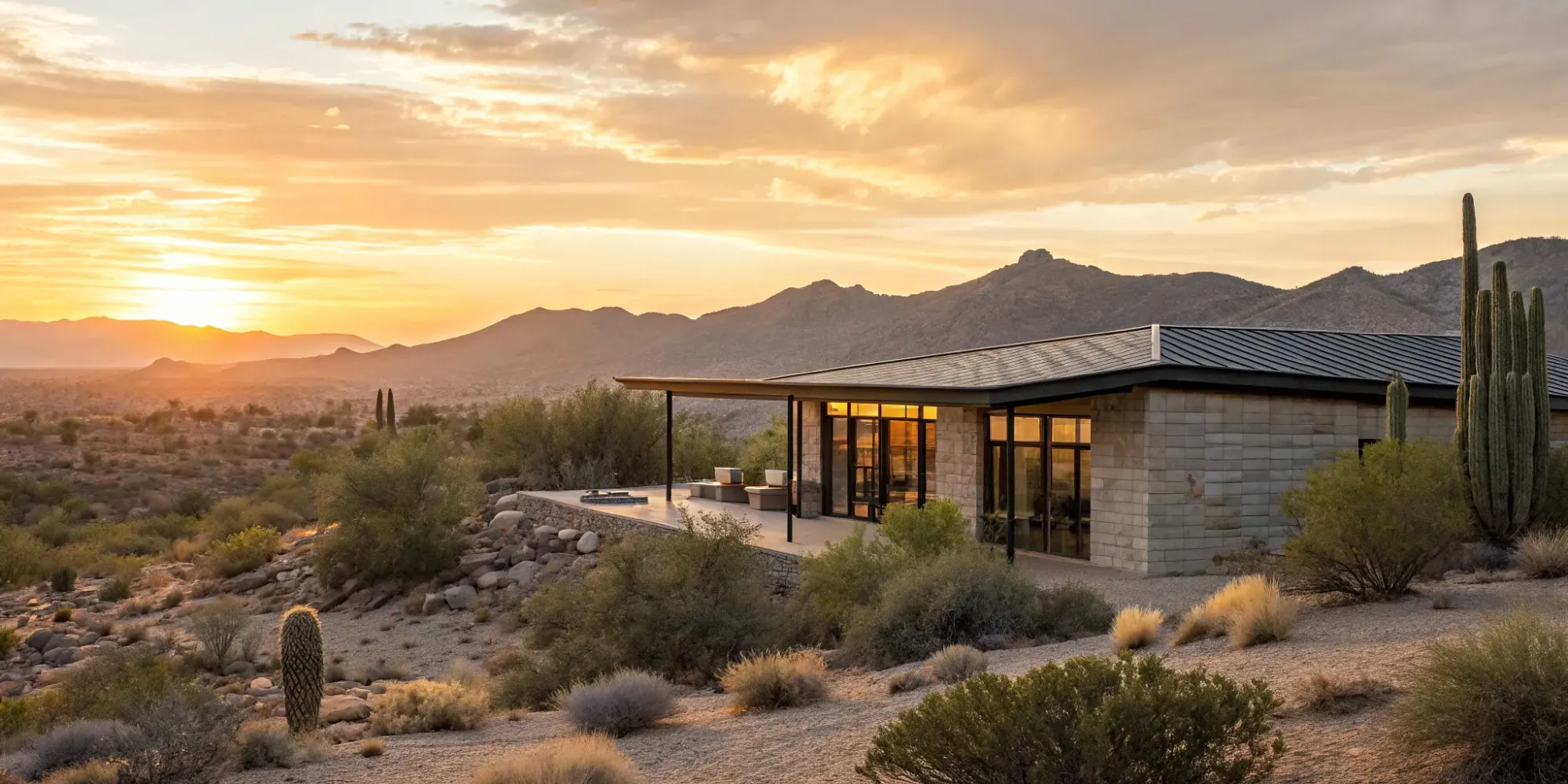
Your Guide to Arizona Fire Resistant Material Recommendations
December 15, 2025 · 14 min read
Let’s get one thing straight: no home is truly "fireproof." That term gets thrown around a lot, creating confusion about what actually keeps a home and its occupants safe during a wildfire. It’s easy to make choices based on myths rather than facts. The real goal isn’t invincibility; it’s resilience. It’s about using a system of materials that can withstand extreme heat, slow a fire’s spread, and give you precious time. This article cuts through the noise to provide clear, expert-backed Arizona fire resistant material recommendations, from your roof down to your landscaping, so you can make informed decisions based on proven performance.
Key Takeaways
- Fortify Your Home's Exterior: Think of your home's outer layer as its armor. Using non-combustible materials like metal roofing, stucco siding, and dual-pane windows is the most effective way to block embers and radiant heat from getting inside.
- Create a Fire-Smart Yard: Your landscaping is your first line of defense. Establish a five-foot, no-burn zone around your home with gravel or pavers, choose high-moisture plants, and keep everything well-spaced to rob an approaching fire of fuel.
- Make Smart Financial Choices: Building with fire-resistant materials is an investment that pays off. These choices not only protect your home but can also lower your insurance premiums, cut down on long-term maintenance, and improve your home's value.
What Makes a Material Fire-Resistant in Arizona?
Living in Arizona means building with wildfire in mind. When we talk about "fire-resistant" materials, it’s important to know that no material is truly "fireproof." Instead, the goal is to use materials that can withstand high heat and slow down the spread of flames, giving you and your family precious time and giving firefighters a better chance to save your home. It’s all about resilience and containment.
Materials like concrete blocks, steel, and stone are excellent choices because they are non-combustible—they simply don’t burn. When a wildfire approaches, these materials can help form a protective shell around your home. For example, walls made from reinforced concrete or masonry can effectively block heat and embers from getting inside. The right materials are your home’s first line of defense, working to keep a fire on the outside from becoming a disaster on the inside. Understanding how different building materials perform in a fire is the first step toward creating a safer, more resilient home.
What Are Fire Resistance Ratings?
Think of a fire resistance rating as a grade that tells you how long a material or a complete assembly—like a wall or a roof—can hold up against fire. This rating, measured in hours, indicates how long the component can contain the flames and maintain its structural integrity during a fire. For instance, a wall with a one-hour rating is designed to prevent fire from passing through it for at least 60 minutes.
These ratings are crucial for building a home that meets safety codes and can stand up to a wildfire. Insurance companies pay close attention to them, too. Using materials with proven fire-resistance ratings, especially for critical areas like roofing, can demonstrate reduced risk and may lead to lower insurance premiums.
How Arizona’s Climate Tests Your Materials
In Arizona, fire isn’t the only element your home has to contend with. The intense, year-round sun and extreme heat can weaken building materials over time. Constant exposure to UV rays can cause materials to crack, warp, or become brittle. These small points of failure can become big problems during a wildfire, creating entry points for wind-blown embers to ignite your home.
That’s why your material choices need to pull double duty, resisting both fire and the harsh desert climate. Materials like clay tiles, concrete, and metal roofing are popular here for a reason—they stand up exceptionally well to both intense sun and high heat. Similarly, using fire-resistant aggregates like expanded shale or clay in concrete can add another layer of durability, ensuring your home’s defenses don’t degrade under the Arizona sun.
Choose the Best Fire-Resistant Materials for Your Home
When you’re building or renovating in a high-risk area, your material choices are your first line of defense. Selecting the right fire-resistant materials for every part of your home’s structure—from the roof down to the foundation vents—creates a strong, resilient barrier. This isn’t just about meeting code; it’s about giving yourself peace of mind and making your home a safer place to be. Let’s walk through the key areas of your home and the best materials to protect them.
Your Roof: Clay, Concrete, and Metal
Your roof is the most vulnerable surface during a wildfire, as it’s a prime landing spot for flying embers. That’s why choosing a non-combustible material is essential. Clay tiles are an excellent choice because they hold up well in extreme heat and naturally reflect sunlight. Concrete and metal are also top performers, offering serious durability and fire resistance. While traditional asphalt shingles can be flammable, newer heat-resistant roofing materials like "cool roof" shingles are designed with fire safety in mind. These options not only protect your home but can also improve its energy efficiency, which is a welcome bonus in the Arizona heat.
Your Walls: Fiber Cement, Stucco, and Masonry
Think of your home’s exterior walls as its armor. Materials like stucco, brick, and stone are fundamentally non-combustible and provide outstanding protection. Stucco, in particular, can create nearly fireproof walls. For a more traditional siding look, fiber cement and steel siding are two of the most effective choices available. Both materials boast a Class A fire rating, meaning they offer the highest level of resistance to fire. Unlike wood or vinyl siding, which can melt or ignite, these fire-resistant siding materials won’t contribute fuel to a fire, helping to keep your home’s structure intact when it matters most.
Inside Your Home: Insulation and Interior Components
Fire resistance shouldn’t stop at your home’s exterior. The materials inside your walls play a crucial role in slowing the spread of a fire if it ever breaches the outside. When it comes to insulation, mineral wool and fiberglass are excellent choices. Both are non-combustible and can withstand high temperatures without producing toxic smoke. Mineral wool is especially known for its fire-blocking properties. Beyond insulation, consider using Type X drywall, which is thicker and has glass fibers woven in to give it added fire resistance. These interior fire-resistant materials help create compartments within your home, containing a fire and giving you more time to get to safety.
Your Openings: Windows, Doors, and Vents
Windows, doors, and vents are the most common entry points for embers and extreme heat. Standard single-pane windows can shatter quickly, so it’s best to install dual-paned windows with tempered glass. For doors, choose a solid-core wood door or an insulated metal one over a hollow model. Don’t forget the small openings, either—foundation and attic vents should be covered with a fine metal mesh (1/8-inch) to block embers. Investing in these upgrades does more than just protect your home. Many insurance companies recognize the reduced risk and may offer lower premiums for properties that use fire-resistant roofing materials and other protective features, making your home safer and more affordable to insure.
Create a Defensible Space with Fire-Resistant Landscaping
Your home’s resilience to fire doesn’t stop at its walls. The area surrounding your house, known as your defensible space, is just as critical. Think of it as a buffer zone you create between your home and the wildlands beyond. A well-designed landscape can slow or even stop a wildfire’s progress, giving firefighters a chance to protect your property and reducing the risk of ignition from flying embers and intense heat.
The goal is to strategically break up the path a fire could take to reach your home. This involves more than just picking the right plants; it’s about creating a landscape that actively works to defend your house. By combining smart hardscaping, non-combustible materials, and thoughtful maintenance, you can turn your yard into your first line of defense. The Arizona Fire Marshals Association offers excellent guidance on creating defensible spaces that can make a real difference when every second counts. Let’s walk through the key steps to building a safer landscape.
Build a Barrier with Hardscaping
One of the most effective ways to stop a ground fire from reaching your home is to create a non-flammable barrier right around it. Your hardscaping—the non-living elements of your landscape—is perfect for this. Patios, concrete walkways, and gravel paths act as natural firebreaks, interrupting the fuel source a fire needs to keep moving.
Consider creating a five-foot "no-burn" zone immediately surrounding your home's foundation. In this area, avoid flammable materials entirely. Instead, use pavers, decorative rock, or concrete. These surfaces won’t ignite from embers and can effectively halt the spread of flames. This simple design choice is a powerful tool in your fire-resistant landscaping strategy, creating a clear, defensible line around your home.
Rethink Your Mulch: Gravel and Rock Alternatives
Mulch is great for retaining moisture and suppressing weeds, but the wrong kind can be a serious fire hazard. Traditional wood chips, pine needles, and shredded bark are highly combustible and can act like kindling right next to your foundation. If an ember lands in this type of mulch, it can smolder for hours before igniting your walls.
To reduce this risk, swap out flammable organic mulches for non-combustible alternatives like gravel, crushed rock, or decomposed granite, especially within that critical five-foot zone around your home. These materials provide a clean, modern look while eliminating a key fuel source. If you love the appearance of organic mulch, use it in planting beds farther away from your house, beyond the 30-foot defensible space zone.
Select Fire-Resistant Fencing and Outdoor Structures
A wooden fence can act like a wick, leading a fire from your property line directly to your house. When choosing fencing materials, think beyond wood. Metal, stone, or stucco-covered masonry walls are excellent fire-resistant options that won’t carry a flame. They create a solid barrier that can help shield your home from radiant heat and embers.
If you prefer the look of a slatted fence, consider materials designed for resilience. Some companies offer architectural screens and fireproof fencing made from materials engineered to withstand high heat and strong winds that often accompany wildfires. The same logic applies to decks, pergolas, and sheds—choose non-combustible or fire-resistant treated materials to keep these structures from becoming liabilities.
Use Smart Spacing and Maintenance for Protection
A fire-resistant landscape isn’t a one-and-done project; it requires consistent upkeep. Regular maintenance is your best tool for reducing fuel for a fire. Make it a habit to clear your yard of dead leaves, dry grass, and fallen pine needles, especially from your roof and gutters. Prune dead branches from trees and shrubs to keep them healthy and less flammable.
Spacing is also key. Trim tree canopies so their branches are at least 10 feet away from your roof and other trees. This prevents a fire from "crowning," or jumping from treetop to treetop, which can spread flames incredibly fast. By keeping your landscape lean, clean, and green, you maintain an effective defensible space that protects your home year after year.
Select the Right Plants and Landscaping Techniques
Your yard isn't just for looks—it's your first line of defense against wildfire. The right plants and landscaping choices can dramatically slow a fire's spread, giving you and firefighters precious time. It’s about creating a landscape that is both beautiful and resilient. By being intentional with what you plant and where you plant it, you can build a buffer that protects your home. This approach combines smart plant selection with strategic placement and consistent maintenance to create a property that is much safer in high-risk fire zones.
Pick Your Plants: Succulents and Drought-Tolerant Natives
Choosing the right plants is a great first step toward a fire-safe yard. Focus on species with high moisture content that don't ignite easily. Succulents like aloe, agave, and cacti are excellent choices because they store water in their leaves. Other hardy options include Yucca and Jojoba. When it comes to trees, think deciduous. An Arizona Sycamore, for example, is a much safer bet than highly flammable evergreens like pine trees, which contain flammable resins. Making smart selections is one of the most effective tips for Arizona fire-resistant landscaping because it reduces the amount of available fuel right outside your door.
Use Trees and Shrubs as Natural Fire Breaks
Where you plant is just as important as what you plant. The goal is to create interruptions in the landscape that can stop a fire in its tracks. Think of it as building natural fire breaks. Avoid planting dense rows of shrubs or trees that lead directly to your house, as this creates a perfect pathway for flames. Instead, group plants in islands with non-flammable material like gravel or pavers in between. The Arizona Fire Marshals Association has excellent guidance on creating defensible spaces by ensuring there's enough room between plants so fire can't easily jump from one to the next. This strategic spacing is key to slowing a wildfire’s momentum.
Plan Your Planting and Maintain Your Yard
A fire-resistant landscape isn't a "set it and forget it" project; it requires consistent upkeep. Regular maintenance is your best tool for keeping your defensible space effective. Make it a habit to clear away dead leaves, dry grass, and fallen branches, as this debris is basically kindling for an approaching fire. You should also trim trees so their lowest branches are at least six to ten feet off the ground, which helps prevent a ground fire from climbing into the tree canopy. Keeping your plants healthy and pruned not only looks great but also removes the fuel that a wildfire depends on to spread, making your home a much harder target.
Common Myths About Native Plants and Fire Safety
It’s easy to fall for some common myths about fire-wise landscaping, so let's clear a few up. One major misconception is that a yard full of gravel and rocks is completely fire-safe. While hardscaping does eliminate plant fuel, rocks can absorb and radiate intense heat toward your home, and embers can easily get trapped in gravel beds, igniting any stray leaves. Another myth is that all native plants are fire-resistant. While many are drought-tolerant, that doesn't automatically make them fire-safe. Some native plants contain flammable oils and resins. It’s always best to research each plant's specific characteristics before adding it to your landscape.
How Smart Material Choices Affect Your Bottom Line
Building a home is one of the biggest investments you'll ever make, and every choice, from the foundation to the roof, has financial implications. When you're building in a place like Arizona, where wildfires are a real concern, choosing fire-resistant materials isn't just a safety precaution—it's a strategic financial decision. These choices have a ripple effect on your bottom line, influencing everything from your annual insurance premiums to long-term maintenance costs and even your home's resale value.
Think of it this way: investing in resilience upfront pays dividends for years. Insurance companies look favorably on homes built to withstand disaster, often rewarding homeowners with significantly lower rates. Beyond that, durable materials like stucco, metal, and concrete stand up to the harsh desert climate, saving you thousands in repairs and replacements over the life of your home. And when it comes time to sell, a home that is certified as fire-resistant and built with quality materials is a major selling point for buyers. It signals a well-maintained, secure property, giving you a competitive edge in the market. We'll explore how these benefits add up, starting with the immediate impact on your insurance costs.
Lower Your Insurance and Meet Building Codes
Insurance companies reward proactive homeowners. When you build with materials designed to withstand fire, you reduce the risk of a catastrophic loss, which can directly translate to lower insurance premiums. In a state like Arizona, where the average cost of homeowners insurance is already 11% higher than the national average, every bit of savings helps. Insurers recognize that homes built with superior, fire-resistant construction materials are a better risk, and they often adjust their rates accordingly. Meeting and exceeding local building codes with these materials further demonstrates your home’s resilience, making it more attractive to insurers and giving you peace of mind.
Save Money with Long-Term Durability
While some fire-resistant materials might have a higher upfront cost, they often save you money over the long haul. Materials like concrete block, stucco, and metal roofing are incredibly durable and require far less maintenance than options like wood siding. They stand up to Arizona’s harsh sun and extreme weather, meaning fewer repairs and replacements down the road. Plus, many of these materials pull double duty. For example, certain types of fire-resistant roofing, like metal and clay tiles, are also highly energy-efficient. They reflect solar heat, which can significantly cut down on your cooling costs during those long, hot summers—a continuous return on your initial investment.
Debunking Myths: Aesthetics and Fire-Resistant Materials
One of the biggest misconceptions about building for fire safety is that you have to sacrifice style. That couldn’t be further from the truth. Modern fire-resistant materials come in a vast array of designs, colors, and textures. You can find fiber cement siding that looks exactly like wood clapboard or metal roofing that mimics classic slate tiles. The same goes for your yard. The idea of firescaping often brings to mind a barren landscape of rocks, but it can be lush and beautiful. It’s about smart plant selection and strategic placement, creating a defensible space that’s also a welcoming oasis. You don’t have to choose between a safe home and a beautiful one—you can absolutely have both.
Related Articles
- 7 Key Elements of Fire-Resistant House Plans
- How to Design a Fire-Resistant Home: 8 Key Steps
- Wildfire Resilient Architecture: A Complete Guide
- 4 Best Fire-Resistant Siding Options
- What is a Class A Fire Rated Roof? A Complete Guide
Frequently Asked Questions
Is there a difference between 'fire-resistant' and 'fireproof' materials? Yes, and it’s an important distinction. No building material is truly "fireproof," meaning it can withstand fire indefinitely without any damage. The term "fire-resistant" refers to materials that are designed to withstand heat and contain flames for a specific period. The goal isn't to build a home that can't burn, but one that can slow a fire's progress, giving you and your family critical time to get to safety.
If I have a limited budget, where should I focus my fire-resistance efforts first? Your roof is the most vulnerable part of your home during a wildfire because it's a large, exposed surface where embers can land and accumulate. Start by ensuring your roofing material is non-combustible, like metal, clay, or concrete tile. After the roof, focus on the small openings where embers can easily enter, such as attic and foundation vents. Covering these with fine metal mesh is a cost-effective upgrade that makes a huge difference.
Do I have to sacrifice my home's style to make it fire-resistant? Not at all. This is a common myth, but today’s fire-resistant materials are incredibly versatile. You can find fiber cement siding that perfectly mimics the look of traditional wood, beautiful metal roofing that looks like classic slate, and a wide variety of stucco finishes and colors. You don't have to choose between a home that is safe and one that you love the look of; modern materials make it possible to have both.
My house is built with fire-resistant materials, so is my landscaping really that important? Absolutely. Think of your yard as your home's first line of defense. A well-maintained, fire-wise landscape can slow or even stop a wildfire before it ever reaches your walls. Flammable plants, wood fences, or bark mulch placed right next to your house can act as a direct pathway for flames, undermining the protection your fire-resistant siding provides. Creating a defensible space is just as crucial as the materials you build with.
Will investing in these materials actually lead to savings on my home insurance? In many cases, yes. Insurance companies assess risk, and a home built with non-combustible siding, a Class A-rated roof, and dual-paned windows is a much lower risk than a home without these features. By demonstrating that you’ve taken proactive steps to protect your property, you make your home more attractive to insurers, which can often translate into more favorable coverage options and lower annual premiums.