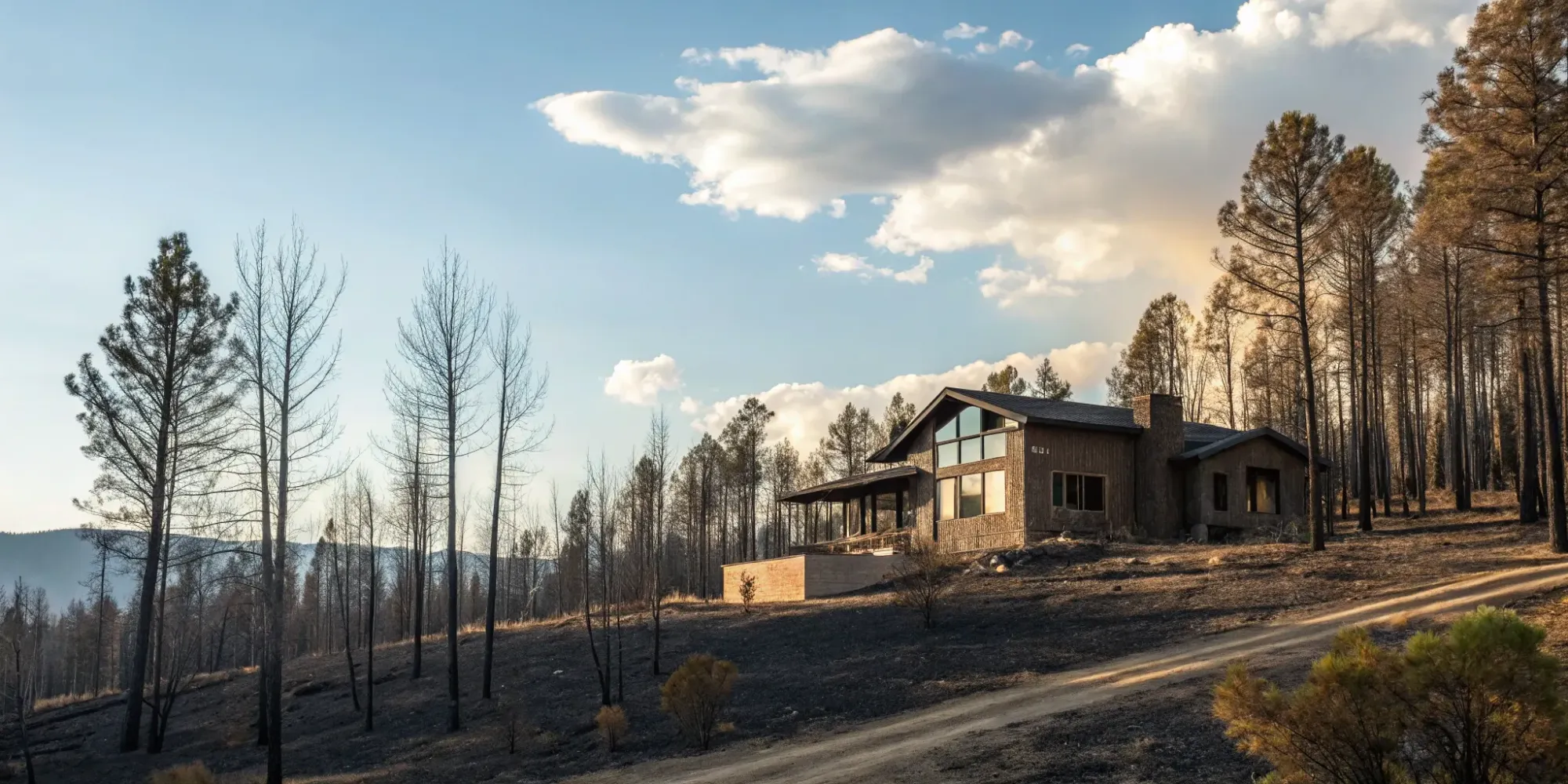
What Is Wildfire Building Code Compliance?
January 6, 2026 · 14 min read
Building a home in a community you love comes with a sense of responsibility, especially in an area threatened by wildfire. The choices you make during construction don't just affect your property; they impact your neighbors and the first responders who protect you. A home that resists ignition is one less source of fuel that could spread a fire from one house to the next. This is the core principle behind wildfire building code compliance. These regulations are a community-wide defense strategy, built one home at a time. By following them, you’re not just protecting your investment—you’re being a good neighbor.
Key Takeaways
- Treat Building Codes as the Floor, Not the Ceiling: Meeting the legal minimum is just the first step. You can significantly improve your home's chances of survival and its insurability by choosing better materials and smarter construction methods that go beyond what's required.
- Your Property's Location Dictates the Rules: Wildfire codes are highly localized and change based on your specific fire hazard zone. Before you finalize any plans, your first call should be to your local building or fire authority to confirm the exact requirements for your project.
- Getting It Right the First Time Protects Your Investment: Building to code from the start is far less expensive than retrofitting later, is critical for getting and keeping homeowner's insurance, and is fundamental to your family's safety. An expert plan review is the surest way to avoid costly mistakes.
What Are Wildfire Building Codes (and Why Do They Matter)?
If you’re building or renovating in a high-risk area, you’ve probably heard the term “wildfire building codes.” It’s easy to think of them as just another set of rules to follow, but they’re much more than that. Think of them as a blueprint for resilience. These codes are specific construction standards and requirements designed to give your home a fighting chance against a wildfire. They dictate everything from the type of roofing you can use to the design of your vents and the amount of clear space you need around your property.
The primary goal is simple: to reduce the odds of a home igniting from embers or direct flames. Embers are the real threat here—they can travel for miles ahead of a fire and easily ignite vulnerable parts of a house. By following these codes, you’re not just protecting your own investment; you’re also helping to protect your entire community. A home that resists ignition is one less source of fuel, which can slow a wildfire’s spread from one property to the next. Understanding these codes is the first step toward building a safer, more insurable home.
How Codes Protect Your Home from Wildfire
Wildfire building codes are essentially a set of rules that guide construction in areas where communities meet wildlands, often called the Wildland-Urban Interface (WUI). These WUI Building Codes establish clear requirements for building materials, construction techniques, and the creation of defensible space around your home. The main purpose is to break the chain of ignition, preventing a wildfire from spreading from the surrounding landscape to your house—and from your house to your neighbors'. By mandating things like non-combustible siding and ember-resistant vents, these codes directly address the most common ways homes catch fire during a wildfire. They are a practical defense system built right into your home’s structure.
What's Required vs. What's Recommended
It’s important to remember that building codes set the minimum safety standard. Meeting code means your home has a baseline level of protection, but in many cases, you can and should do more. Think of it as the difference between passing a test and getting an A+. Advancements in building science and materials mean you can often exceed these requirements for far greater protection. For example, the code might allow a certain type of decking material, but choosing a more advanced, non-combustible option could make a critical difference. True wildfire resilience comes from combining smart construction with diligent maintenance of your defensible space, creating multiple layers of defense for your home.
How Compliance Affects Your Insurance
Following wildfire building codes isn't just about safety—it's also about your financial security. Insurance companies are paying close attention to how homes are built in high-risk areas. Being code-compliant is often a prerequisite for securing or maintaining a homeowner's policy. If your home isn't built to code and a fire occurs, you could face denied claims or find yourself underinsured for the cost of rebuilding. Non-compliance signals high risk to insurers, making it harder and more expensive to get the coverage you need. Building it right from the start protects your family and ensures your biggest investment is properly covered when you need it most.
Key Areas of Wildfire Code Compliance
When you think about building a home that can stand up to a wildfire, it’s not about finding one magic bullet. Instead, think of it as a complete system where every part works together. Wildfire building codes focus on creating multiple layers of defense that address the different ways a fire can threaten your home—from the radiant heat of a nearby blaze to the storm of tiny, wind-driven embers that can travel for miles. True compliance means looking at your project holistically.
It starts with the land around your house and moves inward to the specific materials and construction techniques you use. The goal is to reduce potential fuel sources and eliminate weak spots where your home is most vulnerable to ignition. By combining a well-maintained property with a structure built from the right materials, you create a robust defense that gives your home the best possible chance of survival. These key areas of compliance are designed to work in concert, ensuring that your home is prepared for a wildfire event before it ever starts.
Creating Defensible Space
One of the most critical components of wildfire safety isn't part of the house at all—it's the area around it. Creating defensible space is the process of establishing a buffer zone between your home and the surrounding vegetation. This space is essential for two reasons: it reduces the amount of flammable fuel that a fire can use to reach your home, and it gives firefighters a safer area to defend your property. Codes will specify clearing flammable materials like dead plants, dry leaves, and overgrown brush within a certain distance of your home, typically in zones. This simple, proactive maintenance is a foundational step in protecting your home and family from direct flame contact and intense radiant heat.
Choosing Fire-Resistant Materials
The materials you choose for your home's exterior are your first line of defense against embers and flames. The concept of "fire hardening" involves selecting materials that are non-combustible or have a low flame spread rating. Building codes in high-risk areas will often require Class A fire-rated materials, especially for the roof, which is the most vulnerable surface. This includes materials like metal, slate, or asphalt shingles designed to resist ignition. The same principle applies to siding, decks, and windows. Using products like fiber-cement siding, composite decking, and dual-pane tempered glass can significantly reduce the chance of your home catching fire from wind-blown embers, which are responsible for the majority of home ignitions during a wildfire.
Using Fire-Smart Construction Methods
Beyond the materials themselves, the way your home is put together plays a huge role in its resilience. Fire-smart construction focuses on the details of design and assembly to eliminate spots where embers can get trapped and ignite. For example, complex rooflines with lots of valleys can collect flammable debris like pine needles. Codes often address these vulnerabilities by requiring simpler roof designs or specific flashing techniques. Another key area is enclosing the eaves and soffits to prevent embers from being blown up under the roofline and into the attic. Building smart from the start is far more effective and less costly than trying to fix these structural weak points later on.
Protecting Vents and Other Openings
A home can be built with the best fire-resistant materials and still be lost if a single ember finds its way inside. Vents—for your attic, foundation, and crawl spaces—are necessary for airflow, but they also act as open doors for embers. Wildfire codes mandate that all vents be covered with a fine metal mesh (typically 1/8-inch) that can block embers while still allowing ventilation. This process, often called ember-proofing, also applies to other small openings. Sealing gaps around windows, doors, and where pipes enter the house is a crucial final step in creating a sealed building envelope that keeps dangerous embers out.
Why Building Codes Change from Place to Place
Building a home isn't a one-size-fits-all process, and neither are the rules that govern it. Think about it: a house on the Florida coast needs to withstand hurricanes, while a home in the California foothills must be prepared for wildfire. This is exactly why building codes change so much from place to place. Local governments adopt and adapt model codes to address the unique environmental risks in their area, from earthquakes and floods to seasonal fires. These aren't arbitrary rules; they're based on decades of data, science, and hard-learned lessons from past disasters.
When you're building in a region prone to wildfires, these local amendments become incredibly important. They dictate everything from the type of roofing you can use to the design of your vents and the clearance you need around your home. These codes aren't just suggestions; they are legal requirements designed to protect your property, your neighbors, and the first responders who serve your community. Following them isn't just about passing an inspection—it's about giving your home the best possible chance to survive a fire. Understanding that these codes exist to manage real-world risk is the first step in building a safer, more resilient home. The specific rules you'll need to follow depend entirely on your state, county, and even your specific neighborhood's classification, which is why doing your homework upfront is so critical.
Understanding State and WUI Classifications
If you're building near a natural, undeveloped area, you'll likely hear the term "Wildland-Urban Interface," or WUI. This is the zone where homes and wildlands meet or intermingle, creating a higher risk for wildfire damage. Because of this increased danger, WUI areas have their own set of building codes. Some jurisdictions follow the International Wildland-Urban Interface Code, a model standard for fire-safe construction. However, many states and counties create their own specific regulations tailored to their local landscape and fire history. It's crucial to know which set of rules applies to your project, as WUI codes add another layer of requirements on top of standard building practices.
Finding Your Local Requirements
So, how do you figure out the exact rules for your property? Your first stop should always be your local building department or fire authority. These are the officials who enforce the codes and can give you the most accurate information. Don't rely on general advice or what was required for a project in a neighboring town, as requirements can change from one jurisdiction to the next. Contractors working in WUI areas know that understanding which code requirements apply is essential before breaking ground. A quick call or visit to your local planning office can save you from costly mistakes and delays down the road.
How to Identify Your Home's Risk Zone
Before you can follow the right codes, you need to know your property's specific risk level. Many states with significant wildfire threats provide public maps that classify land into different hazard zones. For example, California’s Office of the State Fire Marshal maintains detailed Wildland Hazard and Building Codes maps that homeowners and builders can use to identify their zone. These maps are based on factors like vegetation, topography, and weather patterns. Knowing whether your home is in a Moderate, High, or Very High Fire Hazard Severity Zone will determine which construction methods and materials are required for your project. This isn't just about compliance—it's about building a home that can better withstand the inevitable threat of wildfire.
The Risks of Not Following Building Codes
Building codes can feel like just another hurdle in a long construction process, but they’re much more than a box to check. These regulations are a framework designed to protect your home, your investment, and most importantly, your family. Choosing to sidestep them—whether intentionally or by accident—introduces risks that can have lasting financial and personal consequences. From insurance headaches to safety hazards, the shortcuts you take during construction can create major problems down the road. Understanding what’s at stake makes it clear why getting it right from the start is the only path forward.
The Impact on Your Insurance Policy
One of the biggest financial risks of non-compliance is how it affects your insurance. While some regulations, like key California insurance laws, protect homeowners from being denied payment for code upgrades after a loss, your initial building choices still matter. If an investigation after a fire reveals that your home wasn't built to the required codes, your insurer could have grounds to deny your claim, leaving you with the full financial burden of rebuilding. Following building codes makes your home a lower risk in the eyes of an insurer, which can lead to better coverage options and a smoother claims process if you ever need it.
Legal and Safety Consequences
At their core, building codes exist to keep people safe. They are the result of decades of learning from fires and other disasters, establishing a minimum standard for safe construction. These rules ensure your home has fundamental protections, like proper structural integrity and fire-resistant features, that are critical in a wildfire-prone area. Ignoring them not only puts the structure at risk but also endangers anyone inside. Historically, tragic events have shaped building codes to prevent future loss of life. Complying with them is a fundamental step in protecting your family and community from preventable harm.
Build It Right: The Cost of Retrofitting Later
Building a new home to modern wildfire-resistant codes can be done for roughly the same cost as a standard home. The real expense comes from having to retrofit an existing or improperly built home later. Tearing out walls to add fire-resistant insulation, replacing windows, or rebuilding a deck with compliant materials is significantly more expensive and disruptive than simply using the right materials and methods from the beginning. Making smart, code-compliant choices during the design and construction phase is a sound financial decision that saves you from costly and stressful renovations in the future. It’s far easier and cheaper to build it right the first time.
How to Ensure Your Project Complies
Making sure your project meets every requirement can feel like a huge task, but it’s one of the most important things you’ll do. Compliance isn’t just about checking boxes; it’s about ensuring your home is safe, insurable, and built to last. The good news is that you don’t have to figure it all out on your own. By taking a structured approach and leaning on the right experts, you can move forward with confidence. Breaking the process down into a few key steps—getting a plan review, working with local authorities, using checklists, and staying current on codes—makes it entirely manageable.
Get an Expert Plan Review
Before you break ground, getting a second pair of expert eyes on your plans is one of the smartest moves you can make. This is especially true if you’re building in a Wildland-Urban Interface (WUI) area, where projects face unique challenges and stricter requirements. An expert plan review can identify potential compliance issues, suggest more resilient materials, and ensure your design aligns with what insurers want to see. This proactive step helps you avoid costly changes and delays down the road. Think of it as an investment in peace of mind, ensuring your project starts on a solid, compliant foundation.
Work with Your Local Fire Authority
Your local fire department is an invaluable resource, not an obstacle. Their role goes beyond responding to emergencies; they are deeply involved in planning and code enforcement to keep the community safe. Engage with them early in your planning process. They can provide specific guidance on local requirements, from defensible space to road access for emergency vehicles. Building a collaborative relationship with your fire authority helps ensure your project not only meets the letter of the law but also incorporates the highest standards of wildfire safety, creating a home that is truly part of a fire-adapted community.
Use Checklists to Stay on Track
With so many details to manage, a good checklist is your best friend. Create a comprehensive list that covers every aspect of wildfire compliance for your project. This should include everything from the fire-resistance rating of your siding and roofing to the specific mesh size for your vents. A checklist helps you track your choices and confirm that every component meets code. It’s also a great tool for communicating with your contractor and ensuring everyone is on the same page. Following a checklist ensures that you combine smart building construction methods with proper defensible space, leaving no stone unturned.
Keep Up with Code Changes
Building codes are not set in stone; they evolve as we learn more about fire behavior and construction science. The code that was in effect last year might not be the one you need to follow today. Local jurisdictions often adopt and adapt model codes like the International Wildland-Urban Interface Code, which is updated periodically. It’s your responsibility to build to the current standard. Always verify the applicable code version with your local building department before finalizing your plans. Staying informed ensures your project is compliant from day one and won’t require expensive retrofits to meet new safety standards later.
Related Articles
- Building Code for Wildfire Prone Areas Explained
- How to Meet Building Code Compliance for Wildfire Areas
- 5 Key WUI Architectural Plan Requirements
- Wildfire Resilient Architecture: A Complete Guide
- Residential Building Code for High Fire Hazard Areas
Frequently Asked Questions
Do these wildfire codes apply to renovations, or just new construction? That’s a great question, and the answer depends on the scope of your project. While new homes must meet the latest codes, major renovations, additions, or even replacing key components like your roof or siding often trigger code compliance requirements. The rules vary by location, so it’s always best to check with your local building department before you start a project to understand exactly what standards you’ll need to meet.
Will building to these codes make my home look ugly or limit my design choices? Not at all. The days of fire-resistant homes looking like concrete bunkers are long gone. Modern building materials have come a long way, and you can now find beautiful, high-performance products that mimic the look of traditional wood siding, shingles, and decking. A skilled architect can easily integrate fire-smart design principles without sacrificing style, proving that a safe home can also be a beautiful one.
Is it significantly more expensive to build a home that meets wildfire codes? Building a new home to wildfire-resistant standards is surprisingly affordable and often costs about the same as a standard home when planned from the start. The real financial hit comes from having to fix or retrofit a home that wasn't built correctly in the first place. Making smart, compliant material choices during the design phase is a sound investment that saves you from much larger expenses down the road.
If my home is built to code, does that guarantee it will be insurable? Following building codes is the single most important step you can take to make your home attractive to insurers. It demonstrates that you’ve actively reduced your property’s risk. While it’s not an absolute guarantee—as insurers also consider factors like your property’s location and defensible space—a code-compliant home is far more likely to secure and maintain a good policy. It proves your home is a responsible risk, which is exactly what insurers want to see.
My contractor is experienced. Isn't it their job to handle all the code compliance? A great contractor is a critical part of your team, but ensuring compliance is a shared responsibility. Even the best builders can miss a detail in constantly evolving local codes. As the homeowner, the ultimate responsibility rests with you. That’s why getting an independent plan review before construction begins is so valuable. It provides a second set of expert eyes to verify that every detail is correct, giving both you and your builder confidence that the project is starting on the right foot.