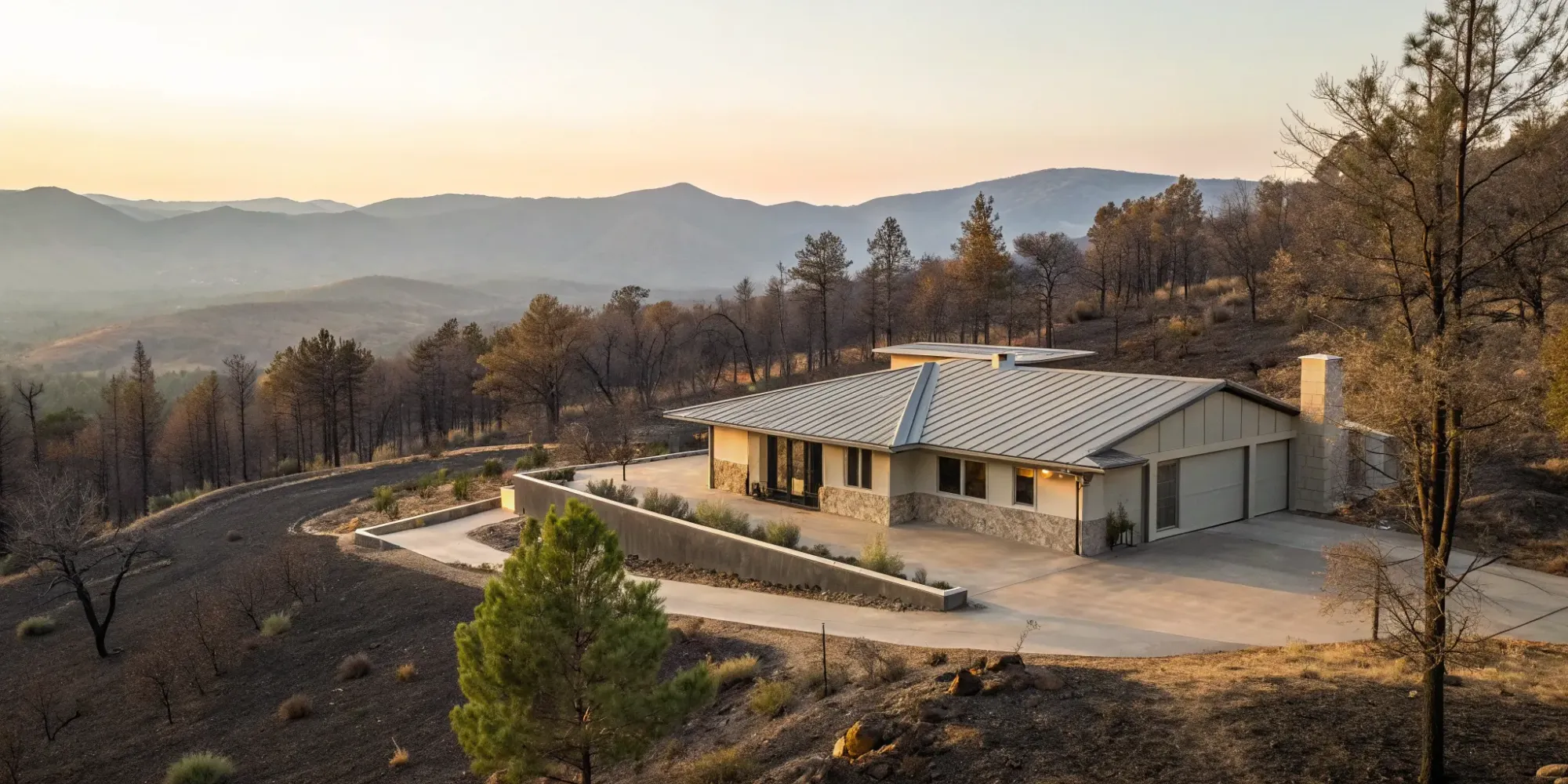
A Guide to Building Code Compliance for Wildfire Areas
December 10, 2025 · 13 min read
Building or renovating a home is one of the biggest investments you’ll ever make. When that home is in a wildfire-prone region, protecting that investment takes on a whole new meaning. The choices you make—from roofing materials to the plants in your yard—directly affect your home's ability to survive a fire and your ability to insure it. Getting it wrong can lead to denied claims, a loss in property value, or worse. This is why building code compliance for wildfire areas is so critical. It’s not just about checking boxes for a permit; it’s about making smart, informed decisions to build a safer, more resilient home from the ground up.
Key Takeaways
- Build a fire-resistant shell for your home: Your home’s first line of defense is its exterior. Use ignition-resistant materials like Class A-rated roofing, fiber-cement siding, and ember-proof vents to create a barrier that prevents embers from getting inside.
- Establish defensible space as a protective buffer: The 100 feet surrounding your home is critical for its survival. Keep the first five feet free of anything flammable, and then progressively thin out vegetation in the zones beyond to slow a fire’s approach and give firefighters room to work.
- View building codes as your path to insurability: Following wildfire building codes is non-negotiable for securing insurance and protecting your property’s value. A compliant home demonstrates reduced risk, making it a safer investment and a more attractive property for both insurers and future buyers.
What is the Wildland-Urban Interface (WUI)?
If you’re planning to build or renovate a home where development meets natural, undeveloped land, you’re likely in what’s known as the Wildland-Urban Interface, or WUI. It’s a term for any area where homes and wildland mix, creating a beautiful but risky environment. With over 46 million homes across the U.S. located in these zones, understanding the unique challenges—especially the growing threat of wildfires—is the first step toward building a safer, more resilient home.
To address these risks, specific building codes have been developed to protect both people and property. The primary set of guidelines is the International Wildland-Urban Interface Code (IWUIC), which provides a framework for construction and land use in these vulnerable areas. Think of it as a roadmap for building smarter in places where nature is right at your doorstep. Following these codes isn’t just about compliance; it’s about giving your home its best chance to withstand a wildfire.
Defining the WUI and Its Risks
So, what exactly makes the WUI a high-risk zone? It’s the simple fact that homes are built directly next to or within flammable vegetation like forests, grasslands, and chaparral. When a wildfire starts in the wildland, it can easily spread to homes, and a house fire can just as easily spread back into the wildland. This creates a dangerous cycle that puts entire communities at risk. The increasing frequency and intensity of wildfires mean that if you live in the WUI, you need a solid plan for how your home is built and maintained.
How Building Codes Protect Homes in the WUI
This is where building codes come in. They aren’t just arbitrary rules; they are a set of proven strategies designed to reduce a home’s vulnerability to ignition. Building codes in WUI areas focus on two key areas: hardening the home itself with fire-resistant materials and construction methods, and creating a defensible space around it. For example, California’s Chapter 7A building code requires new homes in WUI zones to use specific safety features like ember-resistant vents. These measures work together to prevent embers from entering your home and to slow the spread of flames, giving firefighters a better chance to protect your property.
Key Parts of Wildfire Building Codes
Navigating wildfire building codes can feel like a huge task, but they generally focus on a few core principles designed to keep your home and community safe. Think of them as a blueprint for resilience. These codes address everything from the materials you use to build your home to the landscape surrounding it. Understanding these key areas will give you the confidence to make smart, compliant choices for your project.
A Quick Look at the IWUIC
The main set of rules you’ll encounter is the International Wildland-Urban Interface Code (IWUIC). It’s the gold standard for construction in areas where communities and wildlands meet. According to the International Code Council, the Wildland-Urban Interface Code "establishes requirements for land use and the built environment within designated WUI areas. Its main goal is to protect people's lives and property from wildfires." This code provides the comprehensive framework that local jurisdictions adopt and adapt, covering the essential requirements for building safer homes in these high-risk zones. It’s the foundational document that informs most other wildfire-related building standards.
Requirements for Ignition-Resistant Construction
A huge part of wildfire safety is building a home that won’t easily catch fire. This is where ignition-resistant construction comes in. The idea is to use materials and building techniques that can stand up to the biggest threats from a wildfire: embers and radiant heat. The IWUIC defines this as using building materials for your roof, walls, vents, and decks that are designed not to ignite from embers, heat, or direct flames. This doesn't mean your home has to be a concrete bunker; it just means selecting proven materials like fiber-cement siding, metal roofing, and specialized vents that resist ignition and help protect your home when it matters most.
Standards for Defensible Space
Your home’s survivability doesn’t just depend on how it’s built, but also on the space around it. That’s why codes have strict standards for creating defensible space. CAL FIRE explains that "defensible space is a clear area around your home that acts like a shield. It slows down or stops wildfires from reaching your house and helps firefighters stay safe while protecting your property." This involves creating zones of managed vegetation around your home to reduce flammable fuel. By clearing away dead plants, trimming trees, and choosing fire-resistant landscaping, you create a buffer that can dramatically increase your home’s chances of surviving a wildfire.
Rules for Emergency Access and Water Supply
During a wildfire, every second counts. First responders need to be able to reach your property quickly and safely, which is why building codes include specific rules for emergency vehicle access. These standards set requirements for roads, driveways, and turnarounds so fire trucks and other emergency vehicles can get in and out without any issues. The code ensures that access routes are wide enough, have an adequate turning radius, and are made of a surface that can support heavy vehicles. Having clear, accessible routes is a critical piece of community-wide fire safety and a non-negotiable part of any compliant building plan.
Choose Fire-Resistant Materials and Methods
When you’re building or renovating in a wildfire-prone area, the materials you choose are your home’s first line of defense. Think of them as a protective shield. Embers from a wildfire can travel a mile or more ahead of the actual flames, and if they land on flammable materials, your home is at risk. This is why building codes, like the International Wildland-Urban Interface Code (IWUIC), are so specific about what you can and can’t use. These aren’t just arbitrary rules; they are research-backed standards designed to give your home the best possible chance of survival. By selecting ignition-resistant materials from the start, you’re not just meeting a requirement—you’re making a critical investment in your property’s resilience and your family’s safety. Let’s walk through the key areas where your material choices matter most.
Fire-Rated Roofing and Siding
Your roof is the most vulnerable part of your home during a wildfire because it presents a large, flat surface where embers can land and accumulate. That’s why codes require Class A fire-rated roofing materials, which are the most effective at resisting fire. Options include asphalt shingles, metal, slate, and tile. For your home’s exterior walls, materials like stucco, fiber cement siding, and brick offer excellent protection. They don’t ignite easily and can help stop a fire from spreading into the structure of your home. Choosing the right siding and roofing is a foundational step in creating an ignition-resistant home.
Tempered Glass Windows and Ember-Resistant Vents
Wildfires generate intense heat that can cause standard window panes to shatter, giving flames and embers a direct path into your house. Dual-paned tempered glass is a much safer alternative because it’s far more resistant to breaking under high temperatures. Vents are another critical entry point. Attic, foundation, and soffit vents are necessary for airflow, but standard screens won’t stop tiny, wind-driven embers. Installing fine metal mesh (1/8-inch) or specialized WUI-compliant vents is essential for keeping embers out while maintaining proper ventilation. Sealing these small openings is one of the most important things you can do to protect your home.
Safer Materials for Decks and Fences
A wooden deck or fence attached to your house can act like a fuse, carrying fire directly to your exterior walls. If you have a deck, build it with ignition-resistant materials like composites, or choose treated, fire-retardant wood. It’s also important to keep the area under your deck clear. Never store flammable items like firewood, propane tanks, or even patio furniture there. For fences, consider using non-combustible materials like metal for the section that attaches to your home. This creates a simple but effective break that can stop a fire in its tracks.
Why Proper Installation Matters
You can choose the best fire-resistant materials in the world, but if they aren’t installed correctly, they won’t protect your home. Small gaps in siding, a poorly sealed window frame, or loose roofing tiles can all become entry points for embers. Professional installation that follows both the manufacturer’s instructions and local building codes is non-negotiable. This attention to detail is exactly what insurers look for. A home built to code is seen as a lower risk, which can make it easier to insure and may even help with your premiums. Proper enforcement of building codes is directly tied to both safety and insurability.
How to Create Defensible Space
Creating defensible space is one of the most effective ways to protect your home from a wildfire. It’s the buffer you create between your house and the surrounding grass, trees, and wildland. This space is designed to slow or stop the spread of wildfire and protect your home from catching fire—either from direct flame contact or radiant heat. It also gives firefighters a safer area to defend your home. The concept is organized into three main zones, each with specific goals for clearing and managing vegetation.
Zone 0: The First 5 Feet From Your Home
Think of the five feet immediately surrounding your home as the non-combustible zone. This is your last line of defense against embers, which are a primary cause of homes igniting during a wildfire. The goal here is to eliminate anything that could catch fire. Use hardscaping materials like gravel, pavers, or concrete for walkways and patios. Avoid flammable materials like wood mulch or bark; opt for rock or other non-combustible ground covers instead. Regularly clear this area of all dead plants, fallen leaves, and pine needles. This includes cleaning your roof, gutters, and the spaces under your deck, where embers can easily accumulate and ignite.
Zone 1: Managing Vegetation 5 to 30 Feet Out
This zone acts as a crucial buffer to slow a fire down. From 5 to 30 feet out from your home, the focus is on creating lean, clean, and green landscaping. Remove all dead plants, weeds, and dry grass. If you have trees in this area, make sure their branches are trimmed so there is at least 10 feet of space between them. You should also practice vertical clearance by removing lower branches to create a gap of at least six feet between the ground and the lowest tree limbs. This helps prevent a ground fire from climbing up into the tree canopy and spreading to your roof.
Zone 2: Reducing Fuel 30 to 100 Feet Out
The goal in this larger zone is to further reduce the energy and speed of a wildfire. In many high-risk areas, maintaining this 100-foot clearance is a legal requirement. Here, you should cut or mow annual grass down to a maximum height of four inches. Create horizontal space between shrubs and trees to break up the continuous path of fuel that a fire could follow. You should also create vertical space by trimming lower tree branches. Following the defensible space guidelines from authorities like CAL FIRE is not just a best practice for safety—it’s often essential for meeting local building codes and securing insurance.
Landscaping and Maintenance for Fire Safety
Beyond the three zones, a few key maintenance tasks will complete your defensible space strategy. If you have a woodpile, keep it at least 30 feet from your home and other structures, and maintain 10 feet of clearance around it down to bare mineral soil. The same goes for propane tanks and sheds—clear a 10-foot radius around them. Remember that creating defensible space is not a one-time project. It requires ongoing maintenance throughout the year as plants grow and seasons change. Regularly inspect your property to ensure it remains clean, trimmed, and prepared for wildfire.
The Risks of Non-Compliance (and How to Get Help)
Building to code in a wildfire-prone area isn't just about following rules—it's about protecting your investment, your safety, and your financial future. Skipping steps or using non-compliant materials can lead to serious consequences, from denied insurance claims to a home that’s difficult to sell. The good news is that you don’t have to figure it all out on your own. Understanding the risks is the first step, and knowing where to turn for help is the second.
How Building Choices Affect Your Insurance
The materials and design choices you make have a direct impact on your ability to get and keep homeowners insurance, especially in high-risk areas. Insurers are becoming more selective, and a home built without fire-resilient features may be deemed too risky to cover. On the other hand, insurers are more likely to consider underwriting a home if you’ve taken clear steps to harden it against wildfires. Following modern building codes is one of the most effective ways to demonstrate that you’ve reduced your risk, making your property more attractive to insurance providers and potentially helping you secure better coverage.
Protecting Your Property's Value
Following building codes is a direct investment in your property's long-term value. A compliant home is a safer home, which often translates to fewer insurance claims and a more resilient structure. This not only protects your family but also makes your property more appealing to future buyers who are looking for a safe, insurable, and well-built house. Proper enforcement of building codes ensures that construction meets established safety standards, which helps maintain the structural integrity and market value of your home for years to come. It’s not just about avoiding fines; it’s about building a lasting and valuable asset.
Common Myths About Wildfire Codes
One of the most dangerous myths is that you’re not in a wildfire area if you don’t have trees right next to your house. The reality is that during a wildfire, wind can carry burning embers for more than a mile, igniting homes far from the main fire front. This is why the Wildland-Urban Interface (WUI) extends into areas that might look like typical suburbs. A common misunderstanding is that risk stops where the forest ends, but codes for ignition-resistant construction are designed to protect your home from these airborne embers, no matter how close the nearest trees are.
Resources to Help You Stay Compliant
You don’t have to become a code expert overnight. Your best resource is your local building or planning department. They can provide the specific codes and amendments adopted for your jurisdiction. National resources also offer excellent guidance. For example, the Home Builder's Guide to Construction in Wildfire Zones provides a clear overview of key principles for fire-resistant building. These guides and local requirements are essential for both new construction projects and renovations, helping you make informed decisions that align with safety standards from the very beginning.
Working with Professionals for Verification
Given the complexity of building codes and the high stakes involved, getting a second opinion on your plans is a smart move. The evolving regulatory landscape means that requirements can change, and what was compliant a few years ago might not be today. Consulting with architects, contractors, or specialized services that review plans for code compliance and insurability can save you from costly mistakes down the road. An expert review before construction begins ensures your project meets all current standards, giving you confidence that your home is safe, compliant, and insurable.
Related Articles
- 5 Key WUI Architectural Plan Requirements
- A Guide to Wildfire Resilient Architecture in California
- 7 Steps to Harden Your Home Against Wildfire
- 5 Steps to Designing a Home for Wildfire Resilience
- The Ultimate Guide to Building a Home in a Wildfire Area
Frequently Asked Questions
How do I find out if my property is in a WUI zone? The best way to get a definitive answer is to check with your local planning or building department. They maintain official maps that designate WUI areas based on vegetation, slope, and fire history. Many counties also offer online mapping tools where you can enter your address to see if you fall within a designated high-risk zone that requires compliance with specific wildfire building codes.
My home was built years ago. Do I need to upgrade everything to meet these new codes? Generally, building codes apply to new construction and major renovations, not existing structures. However, that doesn't mean you shouldn't take action. You can significantly improve your home's resilience by focusing on key retrofits, like installing ember-resistant vents, clearing defensible space, and replacing flammable items like wood mulch near your foundation. These upgrades can make a huge difference in your home's survivability and may also improve your ability to get or keep homeowners insurance.
Will building a fire-resistant home cost a lot more? While some fire-resistant materials can have a higher upfront cost, many are comparable in price to standard materials. For example, fiber-cement siding is a competitive alternative to wood, and Class A asphalt shingles are a standard roofing choice. Think of it as an investment in your property's long-term safety and value. A home built to withstand wildfire is more durable, easier to insure, and less likely to require costly repairs after a fire event, which saves you money over time.
If I follow all these codes, is my home guaranteed to be safe from a wildfire? Following building codes dramatically increases your home’s chances of survival, but there are no guarantees in a severe wildfire. The goal of these codes is to reduce risk, not eliminate it entirely. By hardening your home with ignition-resistant materials and creating defensible space, you give it a fighting chance to withstand ember attacks and radiant heat. You also create a safer environment for firefighters to defend your property.
What's the difference between "ignition-resistant" and "fireproof"? This is a great question because the terms are often confused. No home is completely "fireproof." An "ignition-resistant" home is built with materials and methods designed to resist catching fire from embers and radiant heat. The goal is to prevent the small sparks and intense heat from a nearby wildfire from igniting the structure itself. It’s about building a home that is tough to set on fire, which is the most practical and effective defense you can have.