Top 4 Fire-Resistant Siding for Cabins
February 11, 2026 · 16 min read
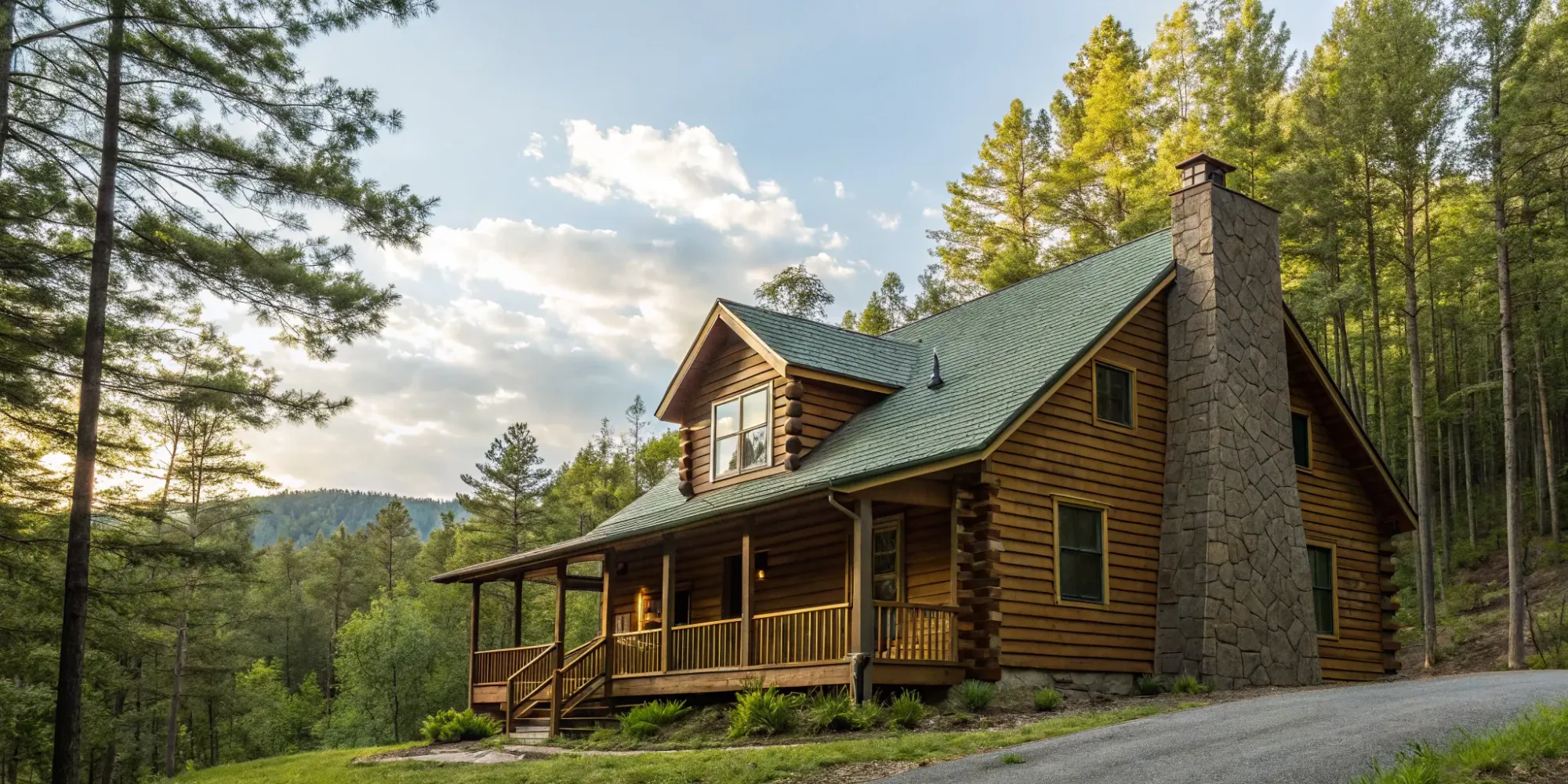
Many people assume that choosing a fire-safe material for their cabin means sacrificing its rustic charm for something that looks industrial or sterile. Fortunately, that’s a myth. Today’s advanced materials mean you no longer have to choose between safety and style. You can have the classic look of wood logs, the timeless appeal of shingles, or the clean lines of vertical panels, all while giving your home a powerful, non-combustible shield. We’ll explore the beautiful and versatile options available in fire-resistant siding for cabins, from fiber cement that mimics wood grain perfectly to steel siding with a warm, rustic finish. Your dream cabin can be both beautiful and built to last.
Key Takeaways
- Focus on Non-Combustible Materials for Real Protection: Your siding is your cabin's first line of defense, so choose a material that won't burn. Prioritize options like fiber cement, metal, and stucco that are designed to withstand extreme heat and stop flames from spreading.
- Look Beyond the Label to Key Fire Ratings: Not all ratings are equal. A Class A rating is essential because it means the siding surface won't easily spread flames, while a 1-hour fire rating tells you how long the entire wall can contain a fire, buying you critical time.
- View Safer Siding as a Financial Investment: While fire-resistant materials may have a higher upfront cost, they often lead to significant long-term savings. Always talk to your insurance agent before you buy, as using certified materials can qualify you for lower annual premiums.
What Makes Siding Fire-Resistant?
When you’re building or renovating a cabin in a high-risk area, the siding you choose is your first line of defense against a wildfire. What makes one material better than another comes down to a simple factor: combustibility. Fire-resistant siding is made from materials that don't easily ignite or burn. Instead of fueling a fire like wood might, these materials are designed to withstand high heat and slow the spread of flames, giving you precious time and protecting the structure of your home.
For homeowners looking to maximize fire protection, choosing non-combustible materials like fiber cement, brick, or stucco is the safest bet. These options don’t just resist catching fire; they also help shield the more vulnerable parts of your cabin from intense heat. Think of it as armor for your home. This resistance is measured and classified through standardized testing, giving you a clear way to compare your options and make a choice that brings you peace of mind.
What Are Fire Resistance Ratings?
When you see a "fire rating" on a building material, it’s not just marketing jargon. These ratings come from rigorous, standardized tests that show how well a material holds up in a fire. The most important one to look for is the Class A rating. Materials with a Class A (or Class 1) rating offer the highest level of fire resistance, making them the best choice for homes in wildfire-prone areas. They are slow to ignite and don't contribute to spreading flames. Understanding these ratings helps you cut through the noise and focus on materials that have been proven to perform when it matters most.
How Siding Can Protect Your Cabin from Fire
Choosing the right siding does more than just protect your cabin’s structure—it can also protect your finances. Many insurance companies offer lower premiums for homes built with fire-resistant materials because they represent a lower risk. This upfront investment in safety can lead to long-term savings. For many families, the decision is also deeply personal. After seeing the threat of wildfires up close, homeowners often choose materials like concrete log siding specifically to safeguard their homes and families. It’s a practical step that provides a powerful sense of security against the unpredictable nature of wildfires.
Common Myths About "Fireproof" Materials
One of the biggest misconceptions is that any siding can be truly "fireproof." The reality is that no residential building material is completely immune to a severe fire. Instead, we should think in terms of fire resistance. Even top-tier materials like fiber cement siding aren't invincible; they are designed to be dense enough to slow down a fire and resist succumbing to high temperatures. It’s important to understand this distinction. While fire-resistant siding is essential, it's one part of a larger fire-safe construction strategy that includes proper installation, defensible space, and compliant building plans.
What Are the Best Fire-Resistant Siding Materials?
When you’re building or renovating a cabin in a high-risk area, your choice of siding is one of the most important decisions you'll make. The right material acts as the first line of defense against embers and flames, giving you critical time and protection when it matters most. Fortunately, you don’t have to choose between safety and style. Many of today’s top fire-resistant materials come in a wide range of looks, from rustic wood grain to modern panels. Let’s walk through the best options available so you can find the perfect fit for your cabin’s design and your peace of mind.
Fiber Cement
Fiber cement is a powerhouse when it comes to fire resistance. Made from a durable blend of cement, sand, and cellulose fibers, this material is non-combustible, meaning it won’t ignite or fuel a fire. It’s consistently a top recommendation from fire safety experts for its reliability and performance under extreme heat. Beyond its safety features, fiber cement is incredibly versatile. You can find it in styles that mimic everything from traditional wood lap siding to shingles and vertical panels, giving you plenty of design flexibility. This makes it one of the most popular fire-resistant house siding options for homeowners who want both protection and curb appeal.
Metal
Don’t let the idea of a "metal cabin" fool you—modern metal siding is both ruggedly protective and surprisingly stylish. Materials like steel and aluminum are non-combustible and carry a Class A fire rating, the highest rating available for building materials. This means they offer exceptional resistance to flame spread. Metal siding is also incredibly durable, standing up to harsh weather, pests, and rot with minimal maintenance. For cabin owners, one of the biggest draws is the variety of available finishes. You can get steel siding that looks just like rustic logs or warm wood planks, achieving a classic cabin aesthetic without the fire risk associated with real wood. It's one of the most effective choices for safer homes in fire-prone regions.
Ignition-Resistant Vinyl
While standard vinyl siding is not recommended for high-risk fire areas because it can melt and warp when exposed to heat, some manufacturers offer improved, ignition-resistant versions. These products are treated with fire-retardant chemicals to slow down the ignition process. However, it’s crucial to understand that "ignition-resistant" is not the same as "non-combustible." This type of siding will still perform differently under fire conditions than materials like fiber cement or metal. Before choosing this option, you should verify its specific fire rating and ensure it meets your local building codes and insurance requirements for fire-resistant siding. Always check the product specifications carefully.
Stucco and Masonry
For a timeless and incredibly durable exterior, it’s hard to beat stucco and masonry. Materials like traditional stucco, brick, and stone are inherently non-combustible and provide a formidable barrier against fire. Stucco, a cement-based plaster, is applied over a lath or mesh base to create a seamless, solid shell around your cabin. It doesn't have seams where embers can sneak in, which is a huge advantage in a wildfire. Similarly, brick and stone veneers offer excellent protection and a classic, rustic look that’s perfect for a cabin. This guide to fire resistant siding highlights why these materials are a fantastic long-term investment, providing not just fire safety but also resistance to pests, rot, and weather.
What Fire Ratings Actually Matter?
When you start looking at siding, you’ll see a lot of different fire ratings thrown around. It can feel like trying to decipher a secret code, but a few key ratings tell you almost everything you need to know about how a material will perform when it counts. These ratings aren’t just for show; they are the result of intense testing and directly impact your cabin’s safety, its ability to meet local building codes, and even your insurance premiums.
Think of these ratings as a guide to building a more resilient home. They measure two critical things: how quickly flames will spread across the siding’s surface and how long the material can resist being burned through completely. For anyone building in a high-risk area, understanding the difference is essential. Focusing on the right ratings helps you choose materials that offer real protection, giving you confidence that your cabin is built to withstand a fire. It’s about making informed choices that protect your investment and, more importantly, your peace of mind.
Understanding Class A Fire Ratings
When it comes to fire resistance, the Class A rating is the gold standard. Think of it as the best possible grade a material can get for preventing the spread of flames. As one industry guide puts it, "Class A (or Class 1): This is the best rating. These materials are the most fire-resistant and are great for areas prone to wildfires." This rating specifically measures how a material’s surface reacts to fire. A Class A material won’t readily ignite or contribute fuel to a fire, which is critical for stopping flames from climbing the exterior walls of your cabin. Materials like fiber cement, metal, and stucco almost always carry this top-tier rating. When you’re choosing siding, looking for a Class A fire rating should be a top priority.
What a 1-Hour Fire Rating Means
While a Class A rating is about surface flame spread, a 1-hour fire rating is about endurance. This rating tells you how long an entire wall assembly—including the siding, sheathing, studs, and interior drywall—can withstand continuous fire before being breached. It’s a measure of containment. Having a wall that can hold back a fire for an hour provides a critical window of time for you to get to safety and for firefighters to arrive. That’s why "FEMA suggests that walls should have at least a 1-hour fire-resistance rating." This isn't just about the siding alone but how it works with the rest of your wall system to provide a robust barrier against fire.
Key Testing Standards and Certifications to Look For
Fire ratings aren’t just made up by manufacturers; they are earned through rigorous, standardized testing. As experts note, "Building materials are tested and given fire ratings to show how well they perform in a fire." To ensure the siding you choose lives up to its claims, look for certifications from independent organizations like ASTM (American Society for Testing and Materials) and UL (Underwriters Laboratories). For example, the test for surface burning characteristics is ASTM E84. You don’t need to be an expert on the tests themselves, but seeing these names on a product’s technical data sheet confirms that its fire rating is backed by legitimate, third-party testing standards.
Top Fire-Resistant Siding Brands to Consider
Once you’ve settled on a material, the next step is choosing a brand. Different manufacturers offer unique benefits, from extensive warranties to specific fire-retardant treatments. Getting familiar with the top names in the industry helps you make a confident choice. Here are a few brands known for producing durable, fire-resistant siding to protect your home.
James Hardie
You’ve likely heard of James Hardie, and for good reason. As a leader in fiber cement siding, their products are engineered to be non-combustible, meaning they won’t ignite when exposed to a direct flame or add fuel to a fire. This makes their fiber cement siding a top choice for homeowners in wildfire-prone regions. Beyond fire resistance, it’s also known for durability against pests and moisture, giving you a well-rounded solution for your cabin’s exterior.
Allura
Another major player in fiber cement, Allura stands out with its impressive warranty. When you’re building in a high-risk area, knowing your investment is protected brings valuable peace of mind. Allura’s siding comes with one of the best warranties in the industry, covering both the material and its finish. Like other fiber cement products, it’s non-combustible and offers excellent protection against fire. If long-term product assurance is a priority, Allura is a brand worth a close look.
LP SmartSide
If you love the look of wood but need better fire performance, LP SmartSide is an option. This isn't traditional wood; it's an engineered product. To achieve its fire resistance, the wood is pressure-impregnated with fire-retardant chemicals that slow down combustion. While it’s not non-combustible like fiber cement, this fire-retardant-treated (FRT) wood offers improved safety over untreated wood. It’s a solid middle-ground for those who want authentic wood grain textures without compromising too much on resilience.
Steel and Aluminum Manufacturers
This category includes various manufacturers that produce metal siding. Both steel and aluminum are excellent choices because they are non-combustible and carry a Class A fire rating. Metal siding won’t burn or melt until it reaches extremely high temperatures, giving your cabin a strong defense. Brands like TruLog and Klauer offer a range of styles, from traditional lap to modern panels. Steel siding is particularly durable and impact-resistant, making it a tough and reliable option for protecting your home.
The Pros and Cons of Fire-Resistant Siding
Choosing the right siding for your cabin is a big decision that balances safety, budget, and style. While fire-resistant materials are a smart investment for any home in a high-risk area, it’s helpful to look at the full picture. Understanding the benefits and potential drawbacks will help you make a confident choice that protects your property and gives you peace of mind.
The Benefits: Safety, Insurance Savings, and Peace of Mind
The most obvious benefit of fire-resistant siding is safety. Materials like fiber cement and steel siding stand out as some of the most effective choices, both earning a Class A fire rating for their ability to withstand severe fire exposure. This layer of protection can be the critical difference in whether your cabin survives a wildfire. Beyond safety, this choice has financial perks. Many insurance companies offer discounts to homeowners who use fire-resistant building materials, which can lower your annual premiums. Over time, these savings can help offset the initial cost of the siding, making it a sound financial decision for the long run.
The Drawbacks: Upfront Costs and Installation
The primary drawback of high-quality, fire-resistant siding is the upfront cost. Materials like fiber cement are often more expensive than traditional vinyl or wood. They can also be heavier, which may increase labor costs and add complexity to the installation process. While it’s true that the initial investment is higher, it’s important to view it as part of a long-term strategy. These durable materials often require less maintenance than their less-resistant counterparts, and when you factor in the potential for reduced insurance premiums, the lifetime cost becomes much more competitive. It’s a classic case of paying more now to save more later.
How It Affects Your Cabin's Style
Many people worry that choosing a fire-resistant material means sacrificing their cabin’s rustic charm. Luckily, that’s no longer the case. Manufacturers have developed a wide range of styles to suit almost any aesthetic. Fiber cement siding, for example, is incredibly versatile and comes in finishes that mimic wood grain, shingles, and classic lap siding. Brands like James Hardie and Allura offer an extensive palette of colors and textures, giving you complete design freedom without compromising on safety. You can achieve the classic cabin look you love while knowing your home has a powerful shield against fire.
How to Get the Best Value on Your Siding
Investing in fire-resistant siding is a significant step toward protecting your cabin, but it doesn't have to break the bank. Getting the best value is about more than just finding the lowest price per square foot; it’s about making a smart, long-term investment. The right siding can save you money for years to come through lower maintenance, increased durability, and, most importantly, reduced insurance premiums. A little strategic planning before you buy can make a huge difference in the total cost of your project. By timing your purchase, comparing your options, and understanding the financial incentives available, you can get high-quality,
Time Your Purchase for Seasonal Deals
Like many construction materials, siding prices can fluctuate with the seasons. Contractors are busiest during the spring and summer, which often drives demand and prices up. You can frequently find better deals by planning your purchase during the off-season, like in the late fall or winter. Beyond seasonal sales, think about the long-term financial picture. Insurance companies often give discounts to homeowners who make their homes more fire-resistant. By choosing a certified fire-resistant siding, you’re not just protecting your cabin—you’re making an investment that can lower your annual insurance costs. Timing your project to get a good deal on materials sets you up for these ongoing savings.
Compare Local Suppliers with Online Retailers
Never settle for the first quote you get. Take the time to shop around and compare prices from different sources. Local building suppliers can offer expert advice and may have established relationships with installers, but their prices might be higher. Online retailers, on the other hand, can offer a wider selection and competitive pricing, but be sure to factor in shipping costs, which can be substantial. For top-tier materials, this research is especially important. For example, fiber cement is a consistently popular choice for its durability and style. By comparing quotes for a specific material like this, you can get a clear picture of the market rate and find the best possible deal.
Ask About Insurance Discounts and Rebates
Before you make a final decision, talk to your insurance agent. This is one of the most important steps you can take. Your agent can tell you exactly which siding materials and fire ratings will qualify you for a premium reduction. The savings can be significant. For instance, some homeowners with specialized concrete log siding can see their insurance costs drop by 20% or more compared to homes with traditional wood. This kind of long-term saving can easily offset a higher upfront material cost. Also, ask about any state or local rebates for wildfire mitigation efforts, as these programs can further reduce your total project cost.
How to Choose the Right Siding for Your Cabin
Picking the right siding for your cabin goes far beyond curb appeal, especially when your property is in a high-risk area. It’s one of the most important decisions you'll make to protect your home, your investment, and your peace of mind. The material you choose acts as the first line of defense against the elements, including fire. Making a smart choice involves looking at your specific location, balancing your budget with non-negotiable safety features, and working closely with your build team to make sure everything is up to code. Let’s walk through how to make the best decision for your cabin.
Assess Your Property’s Fire Risk
Before you fall in love with a particular siding style, take an honest look at your property’s environment. Is your cabin surrounded by dense forest? Are you in a region known for seasonal wildfires? Understanding your specific level of risk is the first step in making an informed choice. For homeowners looking to maximize fire protection, choosing non-combustible materials like fiber cement, brick, or stucco is the safest bet. These materials don’t ignite or spread flames, which can be the deciding factor in whether your home survives a wildfire. You can learn more about your area’s specific risks by consulting local fire departments or using online wildfire risk assessment tools.
Balance Your Budget with Essential Safety Features
While budget is always a factor, it’s helpful to view fire-resistant siding as a long-term investment. Materials with higher safety ratings might cost more upfront, but they can save you from devastating losses and may even lower your insurance premiums. Fiber cement consistently ranks as a top choice for dependable,
Work with Your Contractor to Ensure Code Compliance
Even the best fire-resistant siding is only effective if it’s installed correctly and as part of a complete, fire-resistant wall assembly. This is where clear communication with your contractor is crucial. Talk to them about going beyond the basics. For example, you can ask about installing a fire-retardant gypsum board under the siding to increase the wall's fire resistance. Another option is using exterior-rated, fire-retardant-treated (FRT) wood products, which are chemically treated to slow combustion. Your contractor can help you understand what your local building codes require and how you can exceed them for greater protection, ensuring your cabin is as safe as it can be.
Related Articles
- 4 Best Non-Combustible Siding Options: A Guide
- 4 Best Fire-Resistant Siding Options
- The Ultimate Fireproof Building Materials List
- Protect Your Home: Best Materials for WUI Zones
Frequently Asked Questions
Is any siding actually "fireproof"? That's a common misconception, but the short answer is no. No residential siding material is completely immune to a severe fire. Instead, the goal is fire resistance. Materials like fiber cement, metal, and stucco are non-combustible, which means they won't ignite or add fuel to a fire. They are designed to withstand intense heat and slow a fire's progress, giving you valuable time and protecting the structural integrity of your home.
What's the difference between a Class A rating and a 1-hour rating? Think of it this way: a Class A rating is about surface performance, while a 1-hour rating is about endurance. A Class A rating is the highest grade for preventing flames from spreading across the surface of the siding. A 1-hour fire rating tells you how long an entire wall assembly—siding, sheathing, studs, and all—can hold back a fire and prevent it from breaking through to the inside. Both are important, but they measure two different aspects of fire protection.
Do I have to give up the classic cabin look to get fire-resistant siding? Not at all. You don't have to choose between safety and style. Many of the best-performing fire-resistant materials are designed with aesthetics in mind. You can find fiber cement and steel siding that beautifully mimics the warm, rustic look of wood grain, logs, and shingles. This allows you to get that timeless cabin feel without the fire risk that comes with using real wood.
Will using fire-resistant siding guarantee a discount on my home insurance? While many insurance providers offer significant discounts for homes built with fire-resistant materials, it's not always automatic. The best approach is to speak with your insurance agent before you make a final purchase. They can tell you exactly which materials and fire ratings qualify for a premium reduction under your policy. This simple conversation can help you make a choice that protects both your home and your budget.
Is the siding material the only thing that matters for fire protection? The material you choose is a huge part of the equation, but it's not the only thing. Proper installation is just as critical. Even the best siding won't perform as expected if it has gaps or is installed incorrectly, as these can create entry points for embers. Fire safety is about the entire wall system working together, from the siding to the sheathing underneath, to create a strong, continuous barrier.