9 Best Practices for Wildfire Resistant Construction
December 22, 2025 · 21 min read
When you think about protecting your home from wildfire, what comes to mind first? For many, it’s a single feature, like an exterior sprinkler system. While technology like that can help, true resilience isn't about one magic bullet. A wildfire-resistant home is a complete system where every component—from the roof and vents to the surrounding landscape—works together to prevent ignition. Relying on one solution creates a false sense of security. This article will walk you through a holistic approach, covering the essential best practices for wildfire resistant construction that create multiple layers of defense and give your home its best chance of survival.
Key Takeaways
- Treat your property as a complete defense system: Wildfire safety isn't just about your house; it's about how your home and the land around it work together. Combine a hardened structure built with non-combustible materials with a well-maintained defensible space to create a powerful, layered defense against embers and flames.
- Build for compliance and insurability from day one: Your construction choices directly affect your home's safety and your ability to get insurance. Go beyond the minimum building codes by selecting superior fire-resistant materials and getting your plans professionally reviewed to ensure you're building a resilient and insurable asset.
- Make fire-safe maintenance a routine habit: A fire-resistant home requires ongoing care to stay effective. Regularly clear flammable debris from your roof, gutters, and the five-foot zone around your foundation, and perform seasonal inspections to seal any gaps and manage plant growth.
What Makes a Home Wildfire-Resistant?
A wildfire-resistant home is a thoughtfully designed system built to withstand the specific threats of a wildfire. The goal is to make your home "ignition-resistant," giving it the best possible chance to survive when embers fly and flames approach. This isn't about a single product or feature, but a holistic approach that combines the right building materials with smart landscape management. True resilience comes from addressing two key areas: the structure of the home itself and the defensible space surrounding it. When you get both right, you create a powerful defense that can dramatically lower your home’s risk. Let's break down the core principles that make a home ready to face a wildfire.
Build an Ignition-Resistant Structure
The main threat during many wildfires isn't a giant wall of flame, but a shower of tiny, wind-driven embers that can find their way into vulnerable spots. An ignition-resistant structure is designed to repel these embers. This means choosing materials that don't easily catch fire, like Class A fire-rated roofing and non-combustible siding. Think of it as giving your home a non-flammable shield. By combining fire-resistant construction with smart design choices, like ember-proofing vents and sealing gaps, you can dramatically reduce the chances of your home catching fire from an ember storm.
Establish Defensible Space
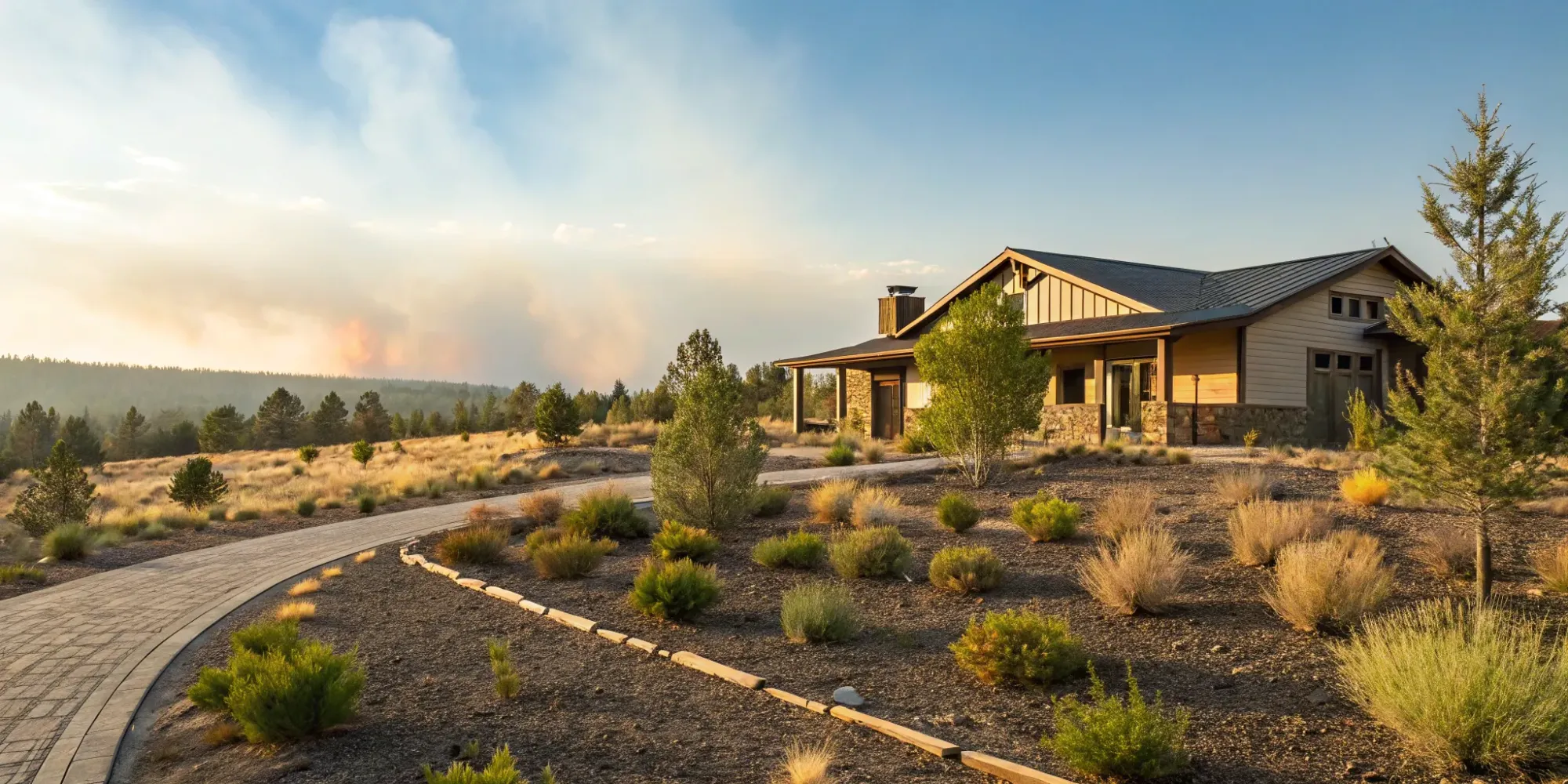
Now let's look outside your four walls. Defensible space is the carefully managed area around your home that acts as a buffer zone. Its job is to slow a wildfire down and reduce its intensity before it reaches your house. This isn't just about clearing a patch of land; it's about strategic landscaping. A critical first step is creating a five-foot, non-combustible "ember-resistant zone" directly around your home's foundation using materials like gravel or pavers. This simple barrier can stop embers from igniting flammable mulch or plants right next to your siding. Proper defensible space gives firefighters room to work and makes your home a much less appealing target for a spreading fire.
Understand Local Fire Behavior
Every property is unique, and so is its wildfire risk. Understanding how a fire might behave in your specific area is a crucial piece of the puzzle. Wildfires spread through direct flames and, more commonly, through airborne embers that can travel a mile or more ahead of the fire front. Your home's location—whether it's on a steep slope, in a canyon, or surrounded by dense vegetation—will influence how you should prepare. Learning about your local topography and typical wind patterns helps you make smarter decisions. This knowledge informs everything from where you place your home on a lot to how you design your defensible space zones for maximum effectiveness.
Choose the Best Fire-Resistant Materials
The materials you choose for your home's exterior are your first line of defense against embers and flames. Think of it as creating a protective, non-combustible shell that can withstand the intense heat and airborne embers of a wildfire. This concept, often called "home hardening," is about making your home less vulnerable to ignition. Embers are the primary threat; these small, burning pieces of debris can travel a mile or more ahead of a fire, landing on roofs, in gutters, and against siding, looking for any flammable material to ignite.
By selecting the right materials from the ground up, you can dramatically improve your home's chances of survival. This isn't just about swapping out one type of siding for another; it's a holistic approach. It means considering every component of your home's exterior—from the roof that bears the brunt of an ember storm to the vents that can offer a direct path for fire to enter your attic. Your choices directly impact your home's resilience and, just as importantly, its insurability. Insurance carriers are increasingly looking at the specific materials used in construction when assessing risk in wildfire-prone areas. A home built with fire-resistant materials is not only safer but also a much more attractive asset to insure.
Fire-Resistant Roofing
Your roof is the most vulnerable surface of your home during a wildfire, so your choice of material is critical. Always select Class A-rated materials that are designed to withstand high heat and resist ignition from embers. Excellent options include asphalt shingles, concrete or clay tiles, and metal roofing. These materials won’t catch fire from the airborne embers that are responsible for igniting the majority of homes lost in wildfires. A fire-resistant roof is a non-negotiable element for any home in a high-risk area and is often a foundational requirement for both local building codes and insurance policies.
Siding and Exterior Walls
Your home's siding acts as a vertical shield against fire. Flammable materials like vinyl or untreated wood can easily ignite and spread flames up the walls and into the eaves. Instead, opt for non-combustible or ignition-resistant siding like stucco, fiber cement, and brick. These choices offer superior fire protection and are low-maintenance. If you prefer the look of wood, use specially treated fire-retardant lumber. For those interested in sustainable options, there are also several natural fire-resistant building materials, such as rammed earth and hempcrete, that provide excellent protection while being environmentally friendly.
Windows, Doors, and Vents
Embers can enter your home through surprisingly small openings, so sealing these weak points is crucial. For windows, use double-pane tempered glass, as it’s far more resistant to breaking under extreme heat than single-pane glass. Ensure all doors, including the garage door, form a tight seal, using weather-stripping to close any gaps larger than 1/8 of an inch. Vents are another common entry point for embers, so cover all of them with metal mesh screens with openings no larger than 1/8 inch. This simple step can prevent embers from being blown into your attic or foundation.
Sustainable and Safe Materials
Building a fire-resistant home doesn’t mean you have to compromise on sustainability. Many of the best materials for wildfire resilience are also eco-friendly. Concrete and recycled steel provide incredible durability and fire resistance with a lower environmental footprint. Other top sustainable fire-resistant building materials include fiber cement siding and Type X gypsum board for interior walls. For the home's structure, using steel framing or fire-retardant-treated wood instead of conventional lumber adds another layer of protection. These choices not only make your home safer but can also contribute to a more resilient and sustainable community.
How to Design Your Property to Reduce Wildfire Risk
Designing a property to withstand a wildfire starts long before the first nail is hammered. It’s about thinking of your home and the land around it as a single, integrated system. The goal is to create a space that is less likely to ignite in the first place. This involves making smart choices about where you build, how you create access, and what you plant near your home. By focusing on the entire property, you can significantly reduce the risk of ignition from embers, which are often the primary culprits in home loss during a wildfire.
Making your home and the surrounding area ignition-resistant gives it a much better chance of survival. This means paying close attention to the 100- to 200-foot perimeter around your house. Every element within this space—from the driveway and fences to the landscaping and the home’s building materials—plays a role in its overall defense. A well-thought-out site plan is your first and most powerful tool for building a home that is resilient by design. It sets the foundation for all the other fire-safe choices you’ll make during construction.
Plan Your Site and Home Placement
The placement of your home on your property is a critical decision that influences its vulnerability to wildfire. When planning your site, think about creating a buffer. The area extending 100 to 200 feet around your home is the most important space to manage. Your home’s design, the materials you choose, and the plants you select all work together to create a defensible perimeter. By carefully considering how these elements interact, you can reduce the chances of wind-blown embers finding fuel near your structure. This holistic approach to site planning is the first step in building a truly fire-resistant home.
Design Safe Driveways and Access Roads
During a wildfire, every second counts. Emergency responders need clear, safe access to your property to defend it effectively. Your driveway design is a key part of your home’s safety plan. A safe access road should have at least 10 feet of cleared vegetation on both sides to prevent a fire from blocking the path. It’s also important to ensure any gates are wide enough for emergency vehicles to pass through and that they open inward, away from the road. These simple design considerations can make a huge difference when it comes to hardening your home and giving firefighters the access they need.
Create Ember-Resistant Zones
Embers are the biggest threat to homes during a wildfire, so creating a zone around your house where they can’t find fuel is essential. This starts with the area immediately surrounding your home, often called the Noncombustible Zone, which extends five feet out from your foundation and walls. In this zone, you should remove all flammable plants, mulch, and other materials. For your deck, create a five-foot ember-resistant area underneath and around it using non-flammable materials like gravel or concrete pavers. Proper home hardening also means removing anything flammable stored under your deck, as this is a common spot for embers to collect and ignite.
How to Harden Your Home Against Wildfires
While creating defensible space is about managing the area around your home, hardening your home is about strengthening the structure itself. The primary goal is to prevent wind-blown embers from igniting your house. Embers are the leading cause of home ignition during a wildfire, and they can travel a mile or more ahead of the main fire front. A hardened home is built and maintained to resist ignition from these embers.
Making your home more resilient doesn't always require a complete overhaul. Many hardening tasks are straightforward maintenance jobs or minor upgrades that can make a significant difference. By focusing on the most vulnerable parts of your home's exterior—like vents, decks, and small gaps—you can dramatically reduce your risk. Let's walk through the most effective ways to harden your home.
Seal Gaps and Entry Points
Embers are tiny, opportunistic sparks looking for any way into your home. Even a crack as small as 1/8 of an inch is large enough for an ember to get inside and ignite flammable materials. Take a walk around your home’s exterior and carefully inspect for any openings. Pay close attention to the areas where different materials meet, like where your siding connects to the foundation or around window and door frames. Use high-quality exterior-grade caulk to seal these gaps. Also, check your weather stripping on doors and garage doors to ensure it creates a tight seal when closed.
Install Ember-Resistant Vents
Vents are necessary for airflow in your attic, crawlspace, and foundation, but they also create direct pathways for embers to enter your home. The solution is to cover all vent openings with fine metal mesh screens. According to CAL FIRE’s home hardening guide, the mesh should have openings no larger than 1/8 inch. It’s critical to use metal screens, as plastic or fiberglass mesh can melt in high heat, rendering them useless. Make sure to inspect all vents, including those on the roof, under the eaves, and on gable ends, to ensure they are properly screened.
Apply Protective Coatings and Treatments
The materials on your home's exterior are its first line of defense. While choosing fire-resistant siding and roofing is ideal, you can also add protection to your existing structure. Applying fire-retardant paints and coatings can help slow the spread of flames and reduce the chance of ignition from radiant heat. These treatments are available for a variety of surfaces, including wood siding, decks, and fences. Think of it as an extra layer of armor. Investing in fire-resistive building construction features gives your home a fighting chance when every second counts.
Harden Your Deck and Patio
Decks and patios attached to a house are major vulnerabilities. If a deck ignites, it can easily spread flames to the main structure. Whenever possible, build or replace your deck with non-combustible or ignition-resistant materials like composite, steel, or treated lumber. It's also crucial to keep the area underneath your deck completely clear of flammable items, including vegetation, leaves, and stored belongings. Embers can collect in this space and ignite debris. For added protection, consider enclosing the underside of your deck with solid siding or 1/8-inch wire mesh to prevent embers from getting trapped.
How to Create Effective Defensible Space
Creating defensible space is one of the most effective ways to protect your home from a wildfire. It’s not about clear-cutting your property; it’s about creating a well-managed buffer zone that can slow or even stop a fire from reaching your house. By strategically thinning and arranging vegetation, you rob an approaching fire of fuel, reducing its intensity and giving firefighters a safer space to work.
The key is to think in zones, moving from your home’s foundation outward. Each zone has a different purpose and a specific set of actions to make it effective. This approach breaks down a big project into manageable steps and ensures you’re focusing your efforts where they matter most. From the materials right up against your walls to the trees at the edge of your property, every choice contributes to a more resilient and defensible home.
Zone 1: The Immediate Zone (0-5 feet)
Think of this five-foot perimeter as your home’s last line of defense. This is the most critical area because it’s where flying embers are most likely to land and ignite your house. Your goal here is to create a completely non-combustible environment. Start by using materials like gravel, pavers, or concrete for walkways and patios right against the foundation.
Remove all flammable items from this zone. This includes woodpiles, pine needles, dead leaves, and even bark mulch. Don’t store anything under your deck or porch, as this space can trap embers. Any plants within this zone should be carefully selected for fire resistance and kept well-watered. This immediate zone is a core component of building ignition-resistant homes and is non-negotiable for wildfire safety.
Zone 2: The Intermediate Zone (5-30 feet)
In this zone, your focus shifts from eliminating fuel to breaking it up. The goal is to create landscaping that slows a fire down and keeps flames small. Arrange plants in "islands" with non-combustible materials like gravel paths or rock gardens in between. This creates gaps that make it harder for fire to spread from one plant to another.
Prune trees so the lowest branches are at least six to ten feet off the ground to prevent a ground fire from climbing into the canopy. You should also trim any branches that hang over your roof. If you have a wooden fence that connects to your house, consider replacing the five-foot section closest to the structure with a metal gate to stop fire from traveling directly to your exterior walls.
Zone 3: The Extended Zone (30-100+ feet)
This outer zone is all about reducing a wildfire’s overall energy before it gets close to your home. The primary task here is to thin out the vegetation. Remove any dead trees, shrubs, and ground litter to get rid of easy fuel. Space out the remaining healthy trees so that their canopies are not touching. This helps prevent a crown fire—where flames leap from treetop to treetop—which is one of the most intense and difficult types of wildfire to control.
By properly managing this extended area, you can keep an approaching fire on the ground, where it will move more slowly and produce smaller flames. This not only reduces the threat to your home but also creates a much safer environment for firefighters to defend your property.
Choose Fire-Resistant Landscaping
The plants you choose are just as important as where you place them. While no plant is truly "fire-proof," many species are much less flammable than others. Opt for high-moisture, low-sap plants with leaves that are supple and green. Well-maintained native and fire-resistant plants are often the best choice, as they are adapted to the local climate and can help create a more humid microclimate around your home.
Remember that maintenance is everything. A fire-resistant plant that is stressed or dying can become a significant fire hazard. Regularly prune, water, and clear away dead material from all your landscaping. Your property is a living system, so it’s important to evaluate your defensible space annually as plants grow and conditions change.
What Are Common Construction Mistakes to Avoid?
Building a home that can stand up to a wildfire is about making smart, informed decisions from the ground up. But even with the best intentions, it’s easy to fall back on old assumptions or rely on a single solution for protection. These common missteps can create a false sense of security and leave your home vulnerable when it matters most.
Understanding these pitfalls is the first step toward avoiding them. It’s not just about the materials you choose, but how you integrate every element—from your landscaping to your structural design—into a cohesive, fire-resistant system. Let’s walk through some of the most frequent mistakes homeowners and builders make, so you can ensure your project is built on a foundation of true resilience. By sidestepping these errors, you can build with greater confidence, knowing you’ve created a safer home for the future.
Don't Rely Only on Sprinklers
Automatic sprinkler systems are a fantastic tool for fire protection, but they aren't a silver bullet. It’s a mistake to think sprinklers can make up for poor choices in other areas, especially landscaping. As one expert notes, sprinklers "cannot compensate for poor plant selection and spacing decisions." Think of them as one layer in a multi-layered defense strategy. Your primary goal should be to prevent ignition in the first place. This means focusing on creating defensible space and choosing non-combustible building materials. Sprinklers are your backup, not your frontline defense.
Debunking Wood Construction Myths
While modern engineering has improved the fire resistance of some wood products, the myth that all wood construction is safe in a wildfire is a dangerous one. Older homes with wood siding or shake roofs are especially at risk, as "wood and old homes are far more likely to be engulfed during a firestorm." Even new builds can be vulnerable if the right precautions aren't taken. Instead of assuming all wood is off-limits, focus on using ignition-resistant materials like fiber cement, stucco, or treated wood siding. Your exterior wall choices play a huge role in how your home withstands embers and radiant heat.
Rethink Plant and Distance Assumptions
Following a simple diagram for plant spacing is a good start, but it’s not enough. Fire behavior is complex, and a rigid, one-time landscaping plan doesn't account for changing conditions. Relying on static distances "fails to address fire behavior complexities." Your landscape is a living system. As plants mature, their fire risk can change. A small shrub planted five feet from your home can grow into a significant fuel source over time. It's crucial to perform regular landscape evaluations and adapt your vegetation management strategy as your property evolves and climate patterns shift.
Meet Building Codes and Insurance Requirements
Building a wildfire-resistant home isn't just about choosing the right materials; it's also about making sure your plans align with local regulations and insurance expectations. Think of building codes and insurance requirements as two essential partners in your construction project. Codes provide the baseline for safety, ensuring your home meets established standards for fire resistance. Insurance companies, on the other hand, look at the bigger picture of risk. They want to see that you’ve not only met the minimum requirements but have also made smart choices to protect your property.
Following the rules is non-negotiable, but simply meeting the minimum standard might not be enough to secure the best insurance rates or give you total peace of mind. When insurers see that you’ve gone above and beyond—using superior materials, thoughtful design, and a well-maintained defensible space—they see a lower-risk, more attractive property to cover. This proactive approach can make a huge difference in your home's long-term safety and affordability. Getting your plans reviewed by an expert before you start building is the best way to ensure you’re checking all the right boxes for both compliance and insurability.
What Are WUI Building Codes?
If you live in a high-risk area, you’ll quickly become familiar with Wildland-Urban Interface (WUI) codes. These are specific building regulations designed to protect homes from wildfire. For example, California’s WUI codes set minimum fire-resistance standards for everything from roofing to vents. While these codes are a fantastic starting point, it’s important to remember they are the minimum requirement.
Today, advancements in building science mean you can easily exceed these standards for far greater protection. Think of the code as your starting line, not the finish line. Choosing materials and construction techniques that go beyond the basics is a powerful way to harden your home against embers and flames, creating a structure that is truly resilient.
How Construction Affects Your Insurance
The term "fire-resistive building construction" might sound technical, but the concept is simple: the choices you make during construction directly impact how an insurance company views your home. Insurers assess risk, and a home built with fire-resistant materials, a well-designed defensible space, and a compliant structure is simply less risky to insure. This can translate into more coverage options and potentially lower premiums.
By investing in ignition-resistant siding, multi-pane tempered glass windows, and proper venting, you’re not just building a safer home—you’re creating a more insurable asset. Your construction plan is one of the most powerful tools you have for managing your wildfire risk and demonstrating to insurers that your property is a smart, defensible investment.
Get a Professional Plan Review
Before you even think about breaking ground, getting a professional review of your building plans is one of the smartest moves you can make. An expert can spot potential issues with compliance or insurability that might otherwise be missed. They’ll look at your entire property as a system, ensuring your home’s design, material choices, and landscaping work together to create a truly fire-resistant environment.
This is especially important because risk isn't static. As your landscape matures or local climate patterns change, your property's fire risk profile can shift. A professional plan review gives you a clear, actionable roadmap to build with confidence, knowing your home is designed to be as safe, compliant, and insurable as possible from day one.
Explore Advanced Fire-Protection Tech
Building a fire-resistant home is about making smart choices with traditional materials, but it’s also exciting to see how technology is pushing the boundaries of home safety. From early detection systems to innovative construction methods, new tech is making it easier and more effective to protect your home from wildfires. These advancements aren’t just for custom luxury builds; many are becoming more accessible for all types of construction projects.
Thinking about these technologies during the design phase can give you a significant advantage. Integrating smart systems or using next-generation materials from the start is often more cost-effective than retrofitting later. It also ensures that your home’s entire defense system works together seamlessly. As you plan your build, consider how these forward-thinking solutions can provide an extra layer of security and peace of mind for years to come.
Smart Home Monitoring
Smart home technology now offers sophisticated fire detection that goes far beyond standard smoke alarms. Modern systems can monitor heat, smoke, and air quality, sending instant alerts to your phone if conditions change, whether you're home or away. This gives you and emergency services a critical head start. On a larger scale, communities are using advanced tools like drones with thermal imaging to monitor wildfire spread in real time, even through heavy smoke. While you won't be flying the drone yourself, living in a community that adopts this tech adds another layer of protection.
The Next Generation of Materials
The construction industry is constantly developing new materials designed to create "fire-hardened" homes. These aren't just non-combustible; they are engineered to withstand extreme heat, direct flames, and embers for extended periods. Think of advanced composites, specialized coatings, and high-performance insulation that maintain their structural integrity under intense fire conditions. By incorporating these next-gen products, you can build a home that offers a much higher degree of resilience. Exploring these emerging technologies during the planning stage can make a huge difference in your home's ability to survive a wildfire.
Fire-Resistant Prefab Homes
Prefabricated construction offers a streamlined and effective way to build a fire-resistant home. With this method, panels and modules are built in a controlled factory environment, allowing for precise engineering and the consistent integration of fire-resistant materials. Companies are now specializing in prefabricated fire-resistant panels made from steel, concrete, and other noncombustible materials. This approach not only speeds up construction time but also ensures a high level of quality control. For homeowners and builders in high-risk areas, prefab can be a practical and reliable path to building a safer, more durable home.
How to Maintain Your Fire-Resistant Home
Building a wildfire-resistant home is a major step toward protecting your family and investment, but the work doesn’t stop once construction is complete. Think of your home’s fire resistance as a living system that needs regular care to function properly. Over time, plants grow, materials wear down, and new vulnerabilities can appear. Consistent maintenance is what ensures your home’s defenses are always ready for a wildfire event.
A well-maintained property is your best defense against embers, which are the leading cause of home ignition during a wildfire. Simple, routine tasks can make all the difference in preventing these wind-blown sparks from finding a place to land and ignite. By creating a simple maintenance schedule, you can stay on top of potential risks and keep your home hardened against threats. We’ll walk through the three key areas of upkeep: performing seasonal inspections, managing your landscape, and maintaining your home’s structure.
Perform Seasonal Inspections
Your property isn't static. As your landscape matures and climate patterns change, your fire risk profile can shift, too. That’s why seasonal inspections are so important. At least twice a year—once in the spring and again in the fall—walk your property with a critical eye. Look for changes that could create new fire hazards. Check your defensible space zones to see if trees need pruning or if new vegetation has crept too close to the house. Inspect your roof, gutters, siding, and vents for any signs of wear or damage that could create an entry point for embers. A simple seasonal checklist can help you stay organized and ensure you don’t miss anything.
Manage Your Vegetation Year-Round
Your landscaping is one of the most critical factors in your home’s survivability. Start with the area immediately surrounding your foundation. You should create a 5-foot clear space around your home by removing all flammable plants, mulch, and debris. This non-combustible zone acts as a barrier that prevents flames from directly touching the structure. Beyond that, keep your lawn mowed, trees pruned, and dead vegetation cleared away. It’s also essential to keep your roof and gutters clean of leaves and pine needles. These materials are highly flammable and can easily be ignited by flying embers. Make this a regular habit, especially during dry, windy seasons.
Keep Your Home's Structure Maintained
Even the most durable, fire-resistant materials need upkeep. Small openings or signs of decay can become serious liabilities during a wildfire. Regularly inspect your home’s exterior and immediately fix any gaps, holes, or rot in your siding. Check the seals around windows and doors to ensure they are tight. Examine your vents and make sure the screens are intact and free of damage, as this is a common way for embers to enter a home. Don’t forget to look under your deck, a notorious trap for leaves and flammable debris. Sealing off these small vulnerabilities is a simple but powerful way to harden your home against ignition.
Related Articles
- A Guide to Wildfire Resilient Architecture in California
- 5 Steps to Designing a Home for Wildfire Resilience
- The Ultimate Guide to Building a Home in a Wildfire Area
- Wildfire Resilient Architecture: A Complete Guide
Frequently Asked Questions
What's the most important first step if I'm just getting started? Start with the five feet right around your home's foundation. This "immediate zone" is the most critical area to keep clear of anything flammable. Swapping bark mulch for gravel or pavers and clearing away dead leaves is a simple, high-impact action that can make a huge difference in preventing embers from igniting your siding.
Does a fire-resistant home have to look like a concrete box? Not at all! Great design and fire safety can absolutely go hand-in-hand. Many modern, fire-resistant materials are made to look like traditional ones, such as fiber cement siding that mimics the appearance of wood. The goal is to make smart, integrated choices, not to sacrifice the style and comfort of your home.
My house is already built. Is it too late to make it more fire-resistant? It's never too late. You can make a huge impact by focusing on "home hardening." This involves tasks like sealing small gaps around windows and doors, replacing plastic or fiberglass vent screens with 1/8-inch metal mesh, and consistently clearing your roof and gutters of flammable debris. These maintenance and upgrade projects are some of the most effective ways to protect an existing home.
Does creating defensible space mean I have to get rid of my entire yard? Definitely not. Defensible space is about smart landscaping, not creating a barren lot. The goal is to strategically thin vegetation and create separation between plants and trees to slow a fire's spread. You can still have a beautiful, thriving garden by choosing well-maintained, fire-resistant plants and arranging them thoughtfully.
If my building plans meet the local WUI code, is my home guaranteed to be safe? Meeting building codes is an essential first step, but it's important to see them as the minimum safety standard, not the finish line. Codes provide a solid foundation, but true resilience often comes from going beyond those requirements. Making choices that exceed the code not only offers better protection but can also make your home more attractive to insurance carriers.