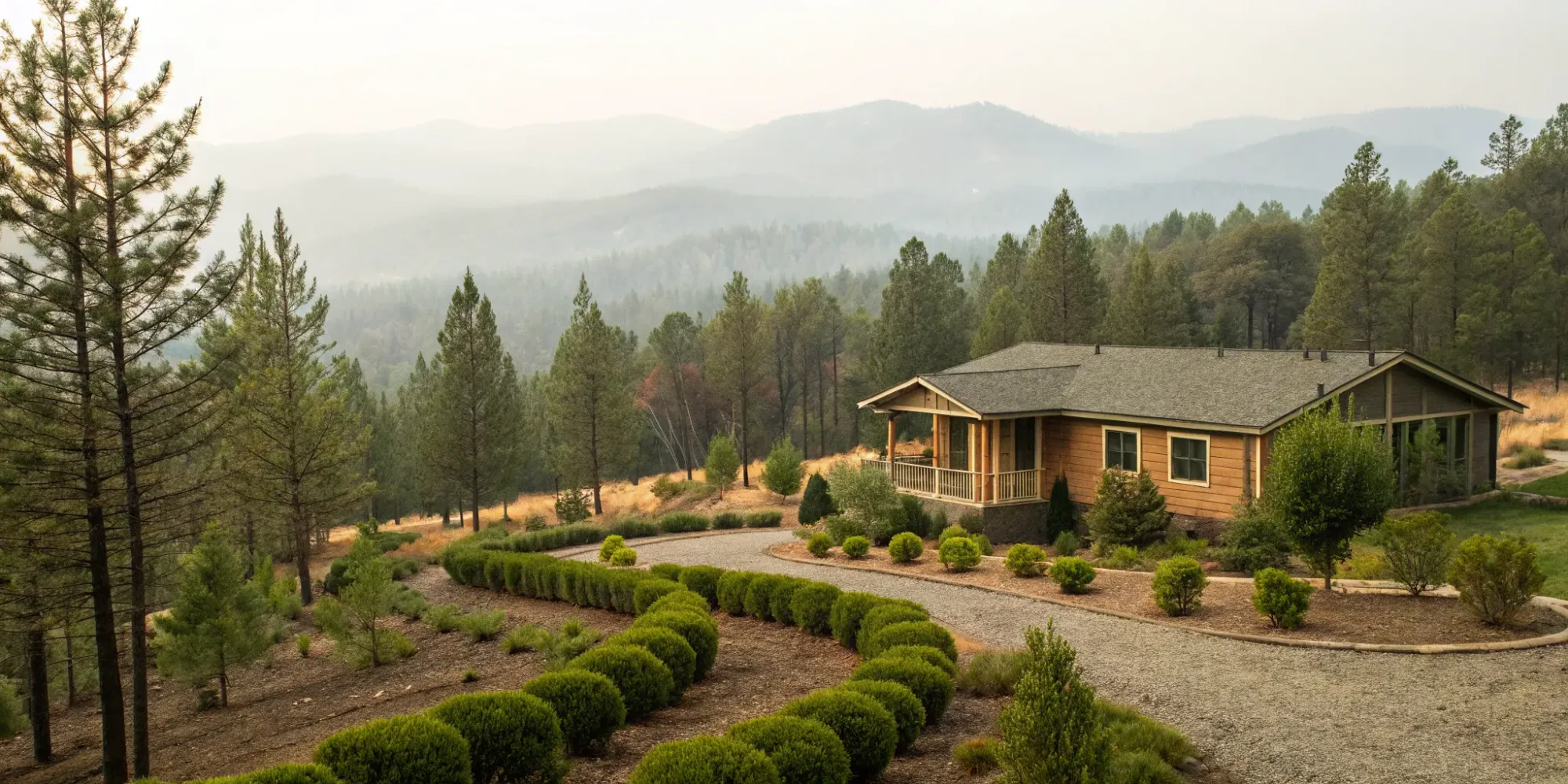
Actionable Wildfire Mitigation Building Strategies
February 4, 2026 · 22 min read
When we think of wildfire, we often picture a massive wall of flames. But the real threat to most homes comes from something much smaller: embers. These tiny, wind-blown sparks can travel a mile or more, landing on your roof, in your gutters, or getting sucked into vents. They are experts at finding a home’s weakest points. Protecting your property means thinking like an ember and closing off every possible entry point. It requires a detailed approach that addresses everything from your roofing material to the type of mesh on your attic vents. This guide outlines the most effective wildfire mitigation building strategies to harden your home and ensure those tiny sparks have nowhere to land.
Key Takeaways
- Build your defense in layers, from the structure out: True wildfire resilience starts with hardening your home using fire-resistant materials for your roof and siding, then extends outward into your yard by creating and maintaining a defensible space free of flammable fuel.
- Prioritize the small details that stop embers: Your home's biggest threat is often tiny, wind-blown embers, not the main wall of fire. Focus on critical but simple fixes like covering vents with metal mesh, keeping gutters clean, and sealing gaps to prevent these sparks from finding a way inside.
- Treat wildfire safety as an ongoing project: A fire-resistant home requires consistent upkeep. Create a seasonal maintenance checklist, stay on top of your defensible space, and work with neighbors to build a community-wide defense that protects everyone.
How to Build a Wildfire-Resistant Home
Building a home that can stand up to a wildfire isn’t about creating an impenetrable fortress. It’s about making smart, strategic choices that reduce the chances of ignition. The goal is to create a home that is less likely to catch fire from embers, which can travel a mile or more ahead of a wildfire, and to slow the spread of flames if they do reach your property.
This process involves two key strategies that work together. First, you’ll focus on the structure of the house itself, a concept known as "home hardening." This means using construction materials and techniques that resist heat and embers. Second, you’ll manage the area immediately surrounding your home to create what’s called "defensible space." This buffer zone helps keep flames away from your walls. By addressing both the home and its immediate environment, you give your property its best chance of survival.
Harden Your Structure
Think of your home's exterior as its first line of defense. Hardening your structure means choosing materials that don't burn easily. Your roof is the most vulnerable part of your house, so selecting a Class A fire-rated material like tile, metal, or asphalt shingles is critical. For exterior walls, use non-combustible siding such as fiber cement, brick, or stucco. Windows are another weak point, as intense heat can cause them to break. Installing double-pane windows with tempered glass provides much better protection. You should also cover any vents with fine metal mesh (1/8-inch) to block embers from getting inside your attic or crawlspace. These wildfire mitigation strategies are essential for preventing your home from igniting from the inside out.
Create Your Defense Zones
The space around your home is just as important as the structure itself. This area, often called the "home ignition zone," extends up to 100 feet from your foundation. Managing this space is crucial for reducing wildfire risk. The idea is to create a buffer by removing or reducing flammable materials, which robs an approaching fire of its fuel. Start by creating "fuel breaks" with driveways, walkways, and patios made from non-combustible materials like concrete or gravel. Within the first five feet of your home, remove all flammable vegetation, mulch, and stored items. Further out, you can keep trees, but make sure they are properly spaced and pruned. A well-maintained defensible space can significantly slow a fire's progress and give firefighters a safe area to work.
Choose the Right Fire-Resistant Materials
When you’re building or renovating in a high-risk area, the materials you choose for your home's exterior are your first line of defense against wildfires. Think of it as giving your home a non-combustible shield. The goal is to select materials that won't easily ignite when exposed to flying embers or radiant heat. Embers are the primary cause of home ignition during a wildfire, so preventing them from finding a place to land and burn is critical.
Making smart choices here does more than just protect your property—it can also make your home more attractive to insurers. Materials with high fire-resistance ratings demonstrate a lower risk, which is a key factor for insurance providers. Let’s walk through the most important areas to focus on: your roof, siding, and decks. Each one plays a vital role in your home's overall resilience.
Fire-Safe Roofing
Your roof is the most vulnerable surface of your home during a wildfire because it presents a large, flat target for falling embers. That’s why selecting the right roofing material is non-negotiable. The best options are Class A fire-rated materials, which are effective against severe fire exposure. According to the National Interagency Fire Center, your roof should be made of materials that don't burn easily, like tile, slate, sheet iron, aluminum, or brick. These materials can withstand high heat and resist ignition from embers, giving you a strong defensive layer where you need it most. Upgrading your roof is one of the most impactful investments you can make in wildfire protection.
Siding and Exterior Walls
After the roof, your exterior walls are the next critical barrier. The key is to use siding that won’t act as fuel for a fire. Experts at InterNACHI® recommend using non-combustible siding materials like stucco, fiber cement, brick, or stone. These materials resist ignition and can help stop a fire from spreading into the structure of your home. It’s also important to seal any gaps. Even small openings around windows, doors, or utility penetrations can allow embers to get inside your walls. Take the time to fill these gaps with a high-quality, fire-resistant caulk to create a continuous, sealed exterior.
Decking and Framing
Decks are a wonderful feature, but they can also be a serious fire hazard if not built correctly. A wooden deck attached to your house can act like a fuse, carrying fire directly to your exterior walls. To reduce this risk, consider using fire-resistant composite decking or thicker, heavy timber that takes longer to ignite. It’s also crucial to manage the space underneath your deck. Never store flammable items like firewood or spare lumber there. Instead, the ClimateCheck wildfire mitigation guide suggests using non-combustible materials like gravel or stone pavers as ground cover to create a fire-resistant zone directly beneath your deck.
Create Your Defensible Space
The single most effective way you can protect your home from a wildfire is by creating defensible space. Think of it as a buffer zone you create between your house and the surrounding grass, trees, and wildland. This space is designed to slow or stop the spread of wildfire and protect your home from catching fire—either from direct flame contact or radiant heat. It’s also a critical safety zone that gives firefighters the room they need to defend your home.
Creating this space isn’t a one-and-done project; it’s about ongoing maintenance. The goal is to reduce or eliminate flammable vegetation and materials immediately surrounding your home and to thin out vegetation farther away. By breaking your property down into three manageable zones, you can create a clear, actionable plan. This approach makes a big project feel much more achievable and gives you a structured way to prepare your home for wildfire season.
Zone 1: The Immediate Zone (0-5 feet)
This is your home’s first line of defense and the most critical area to maintain. The goal here is to create a non-combustible environment. Start by removing anything that can burn from within five feet of your home’s foundation, windows, and decks. This includes flammable plants, firewood stacks, and even wooden patio furniture. Instead, use hardscaping materials like gravel, pavers, or concrete. If you use mulch, choose non-combustible options.
You also need to protect your home from flying embers. Cover all vents with a fine metal mesh (1/8-inch is recommended) to prevent embers from getting inside. Finally, make a habit of regularly cleaning your roof, gutters, and the base of your walls to remove any buildup of leaves, pine needles, or other flammable debris.
Zone 2: The Intermediate Zone (5-30 feet)
In this zone, the focus shifts to slowing the fire down and reducing its intensity. You want to create breaks in the vegetation to disrupt the fire’s path. Start by clearing away dead leaves, dry grass, and other yard waste. Any flammable items, like propane tanks or extra firewood, should be moved out of this area.
Landscaping is key here. Create "fuel breaks" with things that don't burn, like driveways, walkways, and patios. When planting, arrange trees and shrubs in small, spaced-out groups instead of dense rows. A good rule of thumb is to keep the leafy tops of trees at least 18 feet apart. This spacing makes it much harder for a fire to jump from one tree to the next and climb toward your home.
Zone 3: The Extended Zone (30-100+ feet)
The goal for this outermost zone is to interrupt the fire’s path and keep flames on the ground and small. You don’t need to clear everything, but you should reduce the amount of available fuel. You can do this by thinning out vegetation and removing any large piles of debris. Trim dead or low-hanging branches to keep a fire from climbing into the treetops.
Proper spacing is still important here. For trees located 30 to 60 feet from your home, there should be at least 12 feet between their canopies. For trees 60 to 100 feet away, allow at least 6 feet between canopies. Keeping this zone well-maintained helps ensure that if a wildfire reaches your property, its intensity will be much lower, giving your home a far better chance of survival.
Upgrade Your Existing Home for Fire Resistance
You don’t have to build a new house to make it safer from wildfires. Making strategic upgrades to your current home can dramatically improve its ability to withstand flying embers and intense heat. Think of it as strengthening your home’s armor. Embers are the primary threat in most wildfires, traveling far ahead of the actual flames and looking for any small opening or flammable material to ignite.
By focusing on the most vulnerable parts of your home—like windows, vents, and your roof—you can close off these entry points and give your property a fighting chance. These improvements not only protect your family and your investment but can also make your home more attractive to insurers. It’s about taking proactive, tangible steps to harden your home against wildfire threats. Each upgrade you make adds another layer of defense, creating a more resilient and secure place to live.
Reinforce Windows and Doors
Windows and glass doors are often the first things to fail during a wildfire, not from direct flames, but from the radiant heat that can cause glass to shatter. Once a window breaks, embers can pour into your home. The best defense is to install double-pane windows, which provide an extra layer of insulation. Using tempered glass is even better, as it’s designed to withstand higher temperatures.
For a simpler, more immediate upgrade, you can install fine metal mesh screens. While standard insect screens can melt or burn, bronze screens can help block embers and reduce the amount of heat that reaches the glass. Also, check the seals around all windows and doors to ensure there are no gaps where embers could slip through.
Protect Vents from Embers
Vents are necessary for airflow in your attic, crawlspace, and foundation, but they can also be direct entry points for wind-blown embers. An unscreened vent is like an open invitation for fire to enter your home. To fix this, you’ll want to cover all vent openings with metal mesh screens. The openings should be small—no larger than 1/8-inch—to effectively block embers.
You can find these screens at most hardware stores, and they are relatively easy to install. For an even higher level of protection, you can look into specialized vents designed with baffles or other features that block embers while still allowing for proper airflow. This is a small project that offers a huge return in safety.
Maintain Your Roof and Gutters
Your roof is the most vulnerable surface of your home during a wildfire because it’s a large, flat area where embers can land and accumulate. The ideal roof is made of Class A fire-rated materials like asphalt shingles, tile, slate, or metal. If your roof isn't due for a replacement, the most important thing you can do is keep it clean. Regularly remove any buildup of pine needles, leaves, and other debris that could easily ignite.
The same goes for your gutters. Clogged gutters are a perfect trap for embers, providing fuel right at the edge of your roof. Clean them out frequently, especially during fire season. You can also install metal gutter guards to prevent debris from building up in the first place, which is one of the most effective wildfire mitigation strategies you can implement.
Find and Fix Your Home's Weak Spots
When you think about protecting your home from wildfire, you might picture big projects like replacing your roof or siding. While those are important, some of the biggest risks come from the smallest details. During a wildfire, it’s often not the main wall of fire that ignites a home, but the millions of tiny, wind-blown embers that can travel a mile or more ahead of the flames. These embers are like tiny sparks looking for a place to land and start a fire.
Finding and fixing your home’s weak spots is about closing the door on these embers and reducing the chances that radiant heat can find something to ignite. Think of it as a detailed inspection where you look at your home from a wildfire’s point of view. Where could an ember get in? What could easily catch fire? Addressing these vulnerabilities is one of the most effective ways to harden your home and give it a fighting chance against ignition. The following steps will walk you through the most common problem areas—from vents to gutters to the ground right next to your foundation—and show you exactly how to fix them.
Seal Ember Entry Points
Your home’s vents are essential for airflow, but they can also be open invitations for embers. Attic, foundation, and roof vents often have openings large enough for embers to pass right through. Once inside, they can ignite insulation, wood framing, or stored items.
The best defense is to cover all vent openings with 1/8-inch metal mesh screening. This size is small enough to block most embers while still allowing air to circulate. It’s also critical to avoid plastic vents or screens, as they can melt in high heat and create an even larger opening. If you’re building or renovating, you can also install specially designed ember-resistant vents that have been tested to block flames and embers.
Reduce Heat Exposure Risks
Your roof is the most vulnerable surface of your home, as it’s directly exposed to falling embers and radiant heat. The single most important thing you can do is ensure you have a Class A fire-rated roof, which is the highest rating available and indicates resistance to severe fire exposure. Materials like asphalt shingles, metal, slate, and tile typically carry this rating.
Maintenance is just as important as material choice. Regularly clear your roof and gutters of any accumulated leaves, pine needles, or other debris that could easily ignite. Don’t forget about skylights—treat them like windows and make sure they are made of dual-paned tempered glass. Finally, check that metal flashing is installed where different roof sections meet to prevent embers from getting trapped in crevices.
Address Ignition-Prone Areas
The areas immediately surrounding your home can act as a bridge for fire. Anything flammable that is attached to or touching your house is a potential ignition point. This is why it’s so important to maintain your defensible space, especially in the first five feet around your foundation.
Start by removing flammable items from under your deck and away from your walls. Swap out wood mulch for non-combustible options like gravel, pavers, or rock. If you have a wooden fence that connects directly to your house, consider replacing the last five feet with a metal gate to stop fire from climbing right to your exterior wall. By carefully managing these ignition-prone areas, you create a buffer that makes it much harder for a fire to take hold.
Landscape for Wildfire Safety
Your yard isn't just for curb appeal; it's the first line of defense for your home during a wildfire. The choices you make in your landscaping can either create a path for fire to reach your house or build a barrier that slows it down. A well-designed, fire-resistant landscape works in tandem with a hardened structure to give your home the best possible chance of survival. It’s about making smart, intentional choices with your plants, their placement, and your maintenance routine.
Thinking about your yard in this way helps you manage the fuel around your property. By selecting the right plants, arranging them strategically, and keeping everything well-maintained, you can significantly reduce your home’s vulnerability. This approach, often called fire-wise landscaping, is a critical component of creating defensible space. It’s an empowering and effective way to protect your family and your investment, turning your property into a beautiful and resilient space.
Select Fire-Resistant Plants
The first step is choosing the right team of players for your yard. While no plant is truly "fireproof," many species are considered fire-resistant because they are less likely to ignite and burn slowly when they do. These plants typically have supple leaves with high moisture content and don't accumulate a lot of dead, dry material. Think deciduous trees and shrubs over resinous ones like pines or junipers. Your local nursery or university extension office can provide a list of native, fire-resistant plants that will thrive in your climate. As FEMA suggests, you should "select, locate, and maintain recommended fire-resistant plants, shrubs, and trees throughout your property" to create a safer environment.
Use Smart Spacing and Layouts
Even fire-resistant plants can become a hazard if they’re packed too tightly. Proper spacing is key to preventing a fire from hopping from one plant to another and making its way to your house. Think of your garden design as creating intentional interruptions in the fuel source. Use non-flammable materials like gravel, pavers, or rock mulch to create walkways and patios that act as fuel breaks. Keep trees spaced so their canopies don’t touch when they’re fully grown. It’s especially important to prune tree limbs so they are at least 10 feet away from your roof and chimney. This kind of strategic landscape design helps break up a fire’s path.
Plan for Irrigation and Maintenance
A fire-resistant landscape is not a "set it and forget it" project. Ongoing care is what keeps it effective. Healthy, well-watered plants are much less flammable than dry, stressed ones, so a consistent irrigation plan is essential, especially during dry seasons. Regular maintenance is just as important. Make it a habit to clear away dead leaves, pine needles, and dry grass from your yard, roof, and gutters. You should "monitor and evaluate your home ignition zone annually and prior to core fire season(s)" to catch potential problems. A simple seasonal checklist can help you stay on top of these crucial tasks and keep your defensible space in top shape.
Meet Building Codes and Insurance Rules
Building a wildfire-resistant home goes beyond choosing the right materials and landscaping. It also means making sure your plans align with local regulations and insurance requirements. While this might sound like navigating a maze of paperwork, it’s a critical step that protects your investment and ensures your home is as safe as possible. Getting this right from the start saves you from costly revisions and gives you peace of mind.
Think of building codes and insurance guidelines not as hurdles, but as a blueprint for resilience. These rules are based on years of research into how structures perform during wildfires. By meeting them, you’re not just checking a box; you’re incorporating proven safety measures directly into your home’s design. This proactive approach is what separates a home that’s simply built from one that’s built to last.
What Are WUI Building Codes?
If you live in a high-risk area, you’ll likely encounter the term “WUI,” which stands for Wildland-Urban Interface. This is the zone where homes and wildlands meet or intermingle. WUI building codes are specific regulations designed to protect homes in these vulnerable areas. As research from Resources for the Future notes, these codes are highly effective in reducing a structure’s vulnerabilities to wildfire. They often dictate everything from roofing materials and siding to vent screens and window construction, creating a stronger, more ember-resistant home.
Get the Benefits of Insurance Compliance
Following building codes isn’t just about getting your plans approved—it also has a direct impact on your ability to get and afford homeowners insurance. With over 30 million homes facing wildfire risk, insurers are paying close attention to the steps homeowners take to protect their property. Implementing hazard mitigation measures can make your home more attractive to insurers, potentially leading to better coverage options and lower premiums. By proving your home is a lower risk, you demonstrate a commitment to safety that insurance companies value.
Use a Plan Review Service
How can you be sure your plans meet every requirement? Trying to decipher complex building codes and insurance policies on your own can be overwhelming. That’s why official guidance often recommends you consult a local wildfire specialist to help develop and maintain structural hardening provisions. A professional plan review service acts as your expert partner, analyzing your blueprints to identify potential issues before construction begins. This expert oversight ensures your design is compliant, insurable, and truly resilient, giving you confidence that you’re building the safest home possible.
Overcome Common Wildfire-Proofing Hurdles
Building a home that can stand up to wildfire is a smart move, but it’s normal to feel a little overwhelmed by the process. Two of the biggest questions that come up are, "How much will this cost?" and "Who can I trust for advice?" The good news is that these challenges are completely manageable with a bit of planning. Instead of seeing them as roadblocks, think of them as the first steps toward building a safer, more resilient home for your family.
Focusing on smart investments and connecting with the right professionals will give you the clarity and confidence you need. It’s not about having all the answers yourself; it’s about knowing where to find them. By tackling the budget and finding expert guidance from the start, you can create a clear path forward and ensure your project stays on track.
Budgeting for a Safer Home
Let’s be honest: building a fire-resistant home involves upfront costs. But it’s more about strategic spending than simply spending more. As new homes are increasingly built in areas with wildfire risk, thinking about resilience from day one is essential. Your budget should prioritize features that harden your home against ignition. This means allocating funds for fire-rated roofing, non-combustible siding, and dual-pane tempered glass windows.
Think of these as long-term investments. Choosing the right construction techniques and materials not only protects your home but can also make it more insurable and add to its resale value. It’s about making informed trade-offs that put safety first without derailing your entire budget.
Find Expert Guidance
You don’t have to become a wildfire mitigation expert overnight. There are professionals who have dedicated their careers to this work, and their guidance is invaluable. Your local fire department is an excellent starting point; many offer property assessments and can provide specific advice for your area. You can also consult with fire-safe councils, landscape architects specializing in fire-wise design, or fire ecologists.
These experts can help you develop a plan for creating defensible space and identify your home’s unique vulnerabilities. A homeowner’s guide from FEMA offers a great overview of what to expect. Getting a professional plan review before you build ensures your design choices align with current codes and best practices, giving you peace of mind that you’re on the right track.
Work Together as a Community
Making your own home fire-resistant is a huge step, but wildfire doesn’t stop at property lines. The most resilient communities are the ones where neighbors work together. When your entire neighborhood takes action, you create a collective defense that is far more effective than any single home could be on its own. A fire-hardened home is safer, but a fire-hardened community can change a wildfire’s behavior, slowing its spread and giving firefighters a better chance to protect everyone.
Community-wide efforts amplify your personal investment. Think about it: if your home has a defensible space but your neighbor’s property is overgrown, your risk is still high. By collaborating, you can tackle larger projects, like clearing shared spaces or creating fuel breaks that protect the whole area. Working together also opens up opportunities for group discounts on materials, shared access to expensive equipment like wood chippers, and a stronger voice when applying for grants or advocating for local policy changes. Building these connections not only makes your community safer but also stronger and more prepared for any challenge.
Build Local Partnerships
True progress in community safety starts with relationships. Building trust with your neighbors, local fire department, and community leaders is the foundation for any successful wildfire mitigation effort. Start by simply talking to the people around you. Host a neighborhood meeting or a potluck to discuss shared concerns and goals. These face-to-face conversations are where real collaboration begins.
From there, you can form more official partnerships. Connect with organizations like your local Fire Safe Council or other community-based groups that are already focused on wildfire preparedness. These groups often have established connections and resources you can tap into. By working across different households and local organizations, you can coordinate efforts, share knowledge, and build a unified front to protect your homes and shared spaces.
Create a Community Protection Plan
One of the most powerful tools for organizing your efforts is a Community Wildfire Protection Plan (CWPP). A CWPP is a strategic plan developed by community members, fire departments, and land management agencies. It identifies the areas most at risk from wildfire and prioritizes projects to reduce those risks, like thinning overgrown forests or improving evacuation routes.
Having a formal Community Wildfire Protection Plan is more than just a good idea—it’s often a requirement for accessing state and federal funding for mitigation projects. Find out if your community already has a CWPP in place. If it does, learn how you can support its goals. If not, talk to your local fire officials or community leaders about what it would take to start one. Getting involved in this process ensures your neighborhood’s specific needs and concerns are addressed.
Share Resources and Tools
You don’t have to do all the work alone. A key benefit of working together is the ability to pool your resources. Instead of every household buying a chainsaw or wood chipper, consider creating a neighborhood tool-sharing library. Organize community work days where everyone pitches in to clear brush, clean gutters, or help older residents with their defensible space. This not only makes the work more manageable but also builds a strong sense of camaraderie.
Sharing knowledge is just as important as sharing tools. Invite a local fire expert or master gardener to speak at a neighborhood meeting about fire-wise landscaping. Create a simple newsletter or group chat to share tips, reminders about seasonal maintenance, and success stories. By empowering everyone with information and support, you create a culture of preparedness where residents are actively involved in protecting their community.
Maintain Your Fire-Resistant Home
Building a fire-resistant home is a huge accomplishment, but the work doesn’t stop once construction is complete. Think of your home’s wildfire defenses as a system that needs regular tune-ups to perform at its best. Ongoing maintenance is what keeps your home, family, and investment protected year after year.
Over time, vegetation grows, debris accumulates, and small vulnerabilities can appear. Staying on top of these changes is not just a chore—it’s an active and empowering way to manage your risk. By creating simple, repeatable maintenance routines, you ensure that the fire-resistant features you invested in can do their job when it matters most. A well-maintained property is a resilient property, and these next steps will help you create a simple plan to keep it that way.
Your Seasonal Checklist
A little work each season goes a long way in keeping your home safe. Before fire season kicks into high gear, run through this short checklist to address the most common vulnerabilities. These simple tasks can dramatically reduce the chances of embers igniting your home.
- Clear your roof and gutters. Make it a habit to regularly clean your roof and gutters of fallen leaves, pine needles, and branches. This debris is basically kindling, giving flying embers a perfect place to land and start a fire.
- Secure flammable materials. Store firewood, propane tanks, and any flammable liquids at least 30 feet away from your house and outbuildings. Keeping these items away from your home’s immediate perimeter removes potential fuel sources.
- Inspect and cover your vents. Embers can be tiny enough to fly into your home through attic, foundation, or dryer vents. A key part of your wildfire mitigation strategy is to cover all vent openings with 1/8-inch metal mesh to block them out.
Plan for Long-Term Upkeep
Beyond seasonal clean-ups, a long-term plan helps you manage the bigger picture of wildfire safety. These annual tasks ensure your property’s defenses remain effective as the landscape around you changes over time.
Your main goal is to consistently maintain your defensible space, that crucial buffer you created around your home. Vegetation doesn’t stop growing, so you’ll need to prune trees, mow dry grasses, and ensure your fire-resistant plants aren’t becoming overgrown. At least once a year, walk your property to evaluate your home ignition zones. Check for any new vulnerabilities and make sure your landscaping choices continue to support your safety goals. This annual review will give you peace of mind and a clear action plan for the year ahead.
Related Articles
- A Guide to Wildfire Resilient Architecture in California
- The Ultimate Guide to Building a Home in a Wildfire Area
- Wildfire Resilient Architecture: A Complete Guide
Frequently Asked Questions
If I can only do one thing to make my home safer, what should it be? While there’s no single silver bullet, the most effective starting point is to focus on the five feet immediately surrounding your home’s foundation. Clear this area of anything that can burn—flammable mulch, dead leaves, firewood, and even shrubs. This simple, low-cost action creates a non-combustible buffer that can stop a ground fire from ever reaching your walls. If you can tackle a second task, cover all your vents with 1/8-inch metal mesh to block embers from getting inside.
My house is already built. Is it too late to make it safer? Not at all. Most homes can be significantly hardened against wildfire through strategic retrofits. The best place to begin is with a thorough inspection of your home's most vulnerable points. Start with your roof and gutters, ensuring they are clean and in good repair. From there, focus on sealing any small gaps where embers could enter, like around windows and vents. These targeted upgrades can make a huge difference without requiring a complete renovation.
Are there really fire-proof plants for my yard? No plant is truly fire-proof, but many are considered fire-resistant. These plants typically have leaves with high moisture content and don't produce a lot of dry, dead material that can act as fuel. The real key to fire-wise landscaping isn't just what you plant, but where you plant it. Proper spacing between trees and shrubs is critical to prevent fire from creating a continuous path to your home. A well-maintained, hydrated landscape is always your best defense.
How much does it cost to make a home fire-resistant? The cost can vary widely depending on the age of your home and the materials already in place. However, many of the most effective actions are low-cost or even free, such as regularly cleaning your gutters and maintaining your defensible space. For larger projects like replacing a roof or windows, think of it as a long-term investment in your home's safety and value. Prioritizing the most critical upgrades first can help you manage the expense over time.
Will making these changes actually help with my home insurance? Yes, it absolutely can. Insurance companies are increasingly looking at the specific actions homeowners take to reduce their wildfire risk. A home with a Class A fire-rated roof, defensible space, and hardened features is seen as a much lower risk to insure. Documenting your upgrades can make it easier to obtain coverage and may even help you qualify for better terms or premiums, as you are demonstrating a clear commitment to protecting your property.